Rian Phra Somdej Lang Phra Somdej Toh BE2495 Nur Alpaca Luang Pu Nak Wat Rakang
| Type | Rian Phra Somdej Lang Phra Somdej Toh |
| Monk | Somdej Toh Phrommarangsi, Wat Rakang |
| Temple | Wat Rakang |
| B.E. Year | 2495 |
| Material | Nur Alpaca |
| Condition | Good |
| SKU | TAC-RianPhraSomdejLangPhraSomdejToh-LpNak-001 |
Authentic Rian Phra Somdej Lang Phra Somdej Toh by Somdej Toh Phrommarangsi, Wat Rakang. BE 2495, Nur Alpaca, no certificate. Available from TAC Singapore.
What is the Rian Phra Somdej Lang Phra Somdej Toh by Somdej Toh Phrommarangsi, Wat Rakang?
The Rian Phra Somdej Lang Phra Somdej Toh Somdej Toh Phrommarangsi, Wat Rakang is an alpaca-alloy coin amulet produced at Wat Rakang in BE 2495. The obverse carries a Phra Somdej image; the reverse bears the likeness of Somdej Toh Phrommarangsi himself. Cast in Nur Alpaca — a silver-toned copper-zinc-nickel alloy — this mid-century piece holds a direct iconographic connection to Wat Rakang’s most celebrated monk.
Why Wat Rakang and BE 2495 matter to collectors
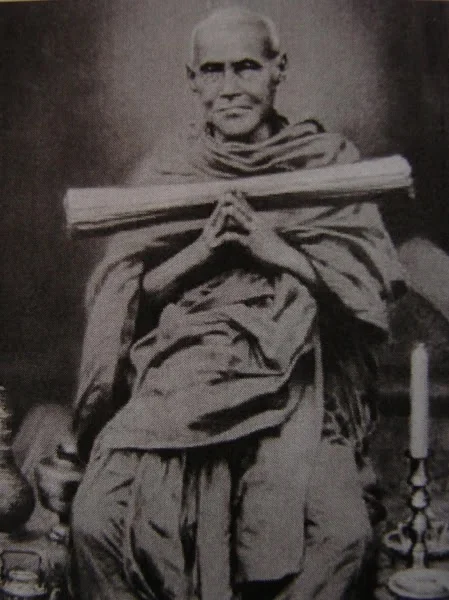
Wat Rakang, formally Wat Rakang Kositaram, sits along the Chao Phraya River in Thonburi. It is the spiritual home of Somdej Toh Phrommarangsi, Wat Rakang — the nineteenth-century monk whose Phra Somdej amulets set the benchmark for the entire Thai amulet tradition. His name and image on the reverse of this coin are not decorative. They place the piece squarely within that lineage.
BE 2495 sits in the early post-war period, a time when Wat Rakang was actively producing commemorative coin amulets to honour and perpetuate Somdej Toh’s legacy. Pieces from this era are among the most studied in the Thai collector community. The Thai Buddhist amulet tradition as a whole is well documented, but Wat Rakang pieces from the mid-twentieth century occupy a particularly well-researched corner of it.
The senior monks of the temple participated in the pluk sek (consecration ceremony) that gave this batch its standing. That institutional continuity — the temple consecrating a piece that honours its own founding figure — is part of what makes the BE 2495 run coherent as a collector category.
The nuea and what the die work tells you
Nur Alpaca was a deliberate choice for this batch. The alloy holds fine relief detail well, resists corrosion over decades, and carries a bright silver-like tone that reads cleanly against the struck iconography. It was also a practical material for producing a coin amulet intended for wide devotional use without sacrificing the precision of the die work.
The obverse pim (mould) renders the Phra Somdej form in clear relief. The reverse carries the portrait of Somdej Toh Phrommarangsi — a pairing that doubles the iconographic weight of the piece. On genuine examples, collectors check that the relief on both faces is crisp and consistent, that the edge profile matches documented BE 2495 specimens, and that the Nur Alpaca surface shows patination appropriate to seventy-plus years of age rather than artificial ageing.
Font style on any inscriptions and the tonal quality of the alloy under close examination are secondary reference points. These details are where experienced appraisers spend most of their time.
What collectors look for — and what to know about certification
This piece carries no certificate. That is common for amulets of this era, and it shifts the authentication burden entirely to physical examination against documented reference specimens. Well-preserved BE 2495 examples in Nur Alpaca are not abundant, which makes access to solid reference material important before committing.
- Surface patination consistent with the BE 2495 period — not cleaned, not artificially aged
- Die-struck relief that matches documented pim for this batch on both obverse and reverse
- Edge profile and alloy tone consistent with Nur Alpaca of mid-century production
- Inscription font style cross-referenced against authenticated examples
Collectors in Singapore, Malaysia, and across the Chinese-speaking collector markets value this piece for its historical grounding and its direct iconographic tie to Somdej Toh Phrommarangsi. Rarity of well-preserved examples in this nuea, combined with that temple provenance, sustains consistent interest across the region.
We at TAC are offering this Rian Phra Somdej Lang Phra Somdej Toh from BE 2495 in Nur Alpaca — a mid-century Wat Rakang coin amulet that carries the portrait of Somdej Toh Phrommarangsi on its reverse, giving it a direct iconographic tie to the temple's most celebrated lineage. For collectors focused on historically grounded Wat Rakang pieces, the combination of the nuea, the era, and the iconography makes this a coherent addition to a mid-century Thai coin amulet collection.
Attributes reflect Thai Buddhist devotional tradition and are not measurable claims.