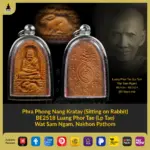
Phra Phong Nang Kratay (Sitting on Rabbit) BE2518 Luang Phor Tae (Lp Tae) Wat Sam Ngam, Nakhon Pathom
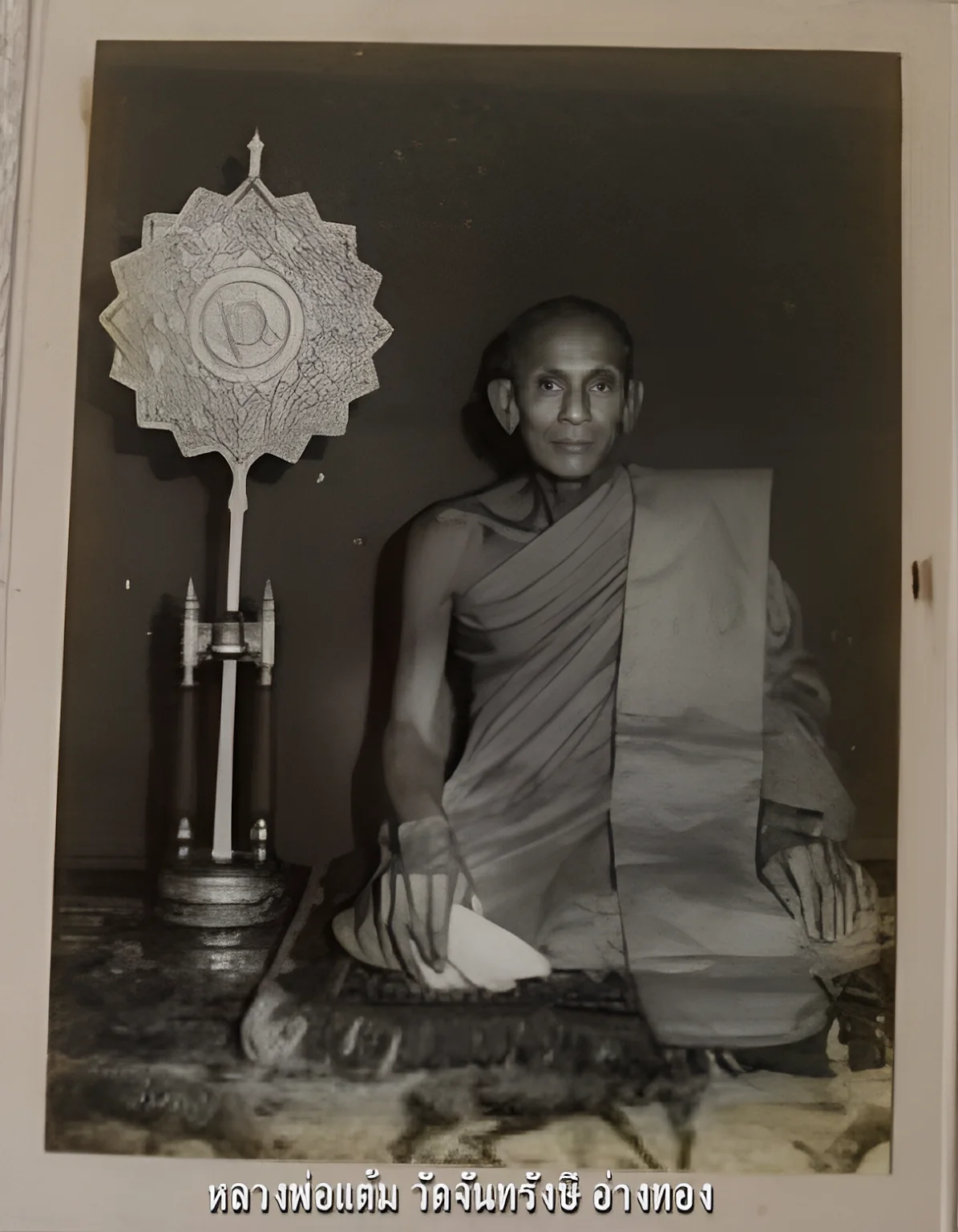
| Monk | Luang Phor Taem Wat Chanrangsi |
| Temple | Wat Sam Ngam |
| B.E. Year | 2518 |
| SKU | TAC-0315 |
Authentic Phra Phong Nang Kratay (Sitting on Rabbit) BE2518 Luang Phor Tae (Lp Tae) Wat Sam Ngam, Nakhon Pathom by Luang Phor Taem Wat Chanrangsi.
What is the Phra Phong Nang Kratay (Sitting on Rabbit) BE2518 Luang Phor Tae (Lp Tae) Wat Sam Ngam, Nakhon Pathom by Luang Phor Taem Wat Chanrangsi?
The Phra Phong Nang Kratay (Sitting on Rabbit) BE2518 Luang Phor Tae (Lp Tae) Wat Sam Ngam, Nakhon Pathom by Luang Phor Taem Wat Chanrangsi is a sacred powder amulet — phong (sacred powder blend) — issued in BE 2518 (1975) at Wat Sam Ngam, Nakhon Pathom. It depicts a meditating Buddha seated atop a rabbit figure, consecrated by LP Tae and issued in original temple waterproof casing.
LP Tae and the BE 2518 edition at Wat Sam Ngam
Luang Phor Taem Wat Chanrangsi — known widely among collectors as LP Tae — built his reputation at Wat Sam Ngam in Nakhon Pathom over decades of rigorous practice. His name is most closely associated with Hanuman and Kuman Thong amulets, which remain benchmark pieces in the LP Tae canon. The Phra Phong Nang Kratay sits outside that mainstream, which is precisely what makes it interesting to collectors who follow his work closely.
BE 2518 corresponds to 1975, a Year of the Rabbit in the Chinese-Thai astrological cycle. The edition was created to mark that auspicious alignment, to extend metta (loving-kindness) blessings to devotees, and to raise funds for temple restoration and dhamma propagation at Wat Sam Ngam under LP Tae’s direction. The zodiac theme is built directly into the image: a Buddha in full meditation, seated calm and upright on a rabbit figure.
What the phong is made from and how it was consecrated
The nuea (material/substance) here is phong — a sacred powder blend composed of rare herbs and crushed flowers gathered during Buddhist holy days, combined with Phong Phutthakun (Buddha virtue powder). The blend also incorporates residues from earlier consecrated powders LP Tae used in his Hanuman and Kuman Thong editions. Some pieces in this run additionally contain traces of holy relic dust and powdered herbs sourced from jungle monasteries.
This kind of muan sarn (sacred powder blend) construction sits within the broader Thai Buddhist amulet tradition, where the composition of the powder is considered as important as the pim (mould) itself. LP Tae personally chanted over the amulets across multiple sessions. The final phutthaphisek (mass consecration ceremony) was held at Wat Sam Ngam, with senior monks from Nakhon Pathom and surrounding provinces lending their presence to the blessing. Invocations of the devas were performed to instil protective and fortune-drawing energy.
The finished pieces are small and pocketable — oval or rectangular depending on the pim used. The front shows the Buddha-on-rabbit image; the back is plain or carries the temple seal. Temple-issued waterproof clear acrylic casing was applied at source to protect the delicate powder body.
What collectors look for in this piece
The Phra Phong Nang Kratay is not as widely circulated as LP Tae’s headline series, which cuts both ways: fewer fakes in the market, but also fewer reference points for new collectors. Pieces found in original, intact waterproof temple casing are the ones that command the most attention. Once the casing is cracked or replaced, provenance becomes harder to establish.
When examining this amulet, experienced collectors focus on:
- Intact original waterproof temple casing — cracked or re-cased pieces lose traceability
- Powder surface consistency — genuine phong from this period has a characteristic texture and aged patina
- Clarity of the pim impression — the rabbit base and seated Buddha should be defined, not smudged
- Back face detail — plain or temple-seal stamped, consistent with documented examples from Wat Sam Ngam BE 2518
No certificate is currently documented for this edition. Verification relies on physical comparison against known authenticated examples and, where available, senior collector or dealer opinion. Buyers should confirm casing integrity and surface condition before purchase.
We at TAC consider the Phra Phong Nang Kratay BE2518 one of the quieter pieces in LP Tae's output — less visible than the Hanuman and Kuman Thong series, but genuinely uncommon in original temple casing after fifty years in circulation. For a collector building a considered LP Tae set, this edition's zodiac-specific origin and phong composition make it a worthwhile addition beyond the headline pieces.
Attributes reflect Thai Buddhist devotional tradition and are not measurable claims.