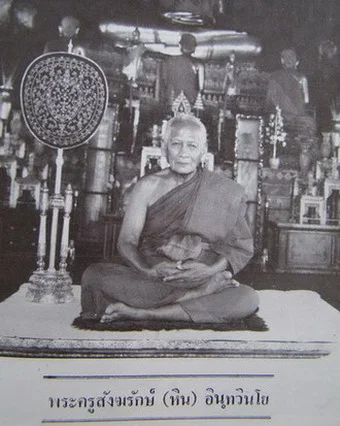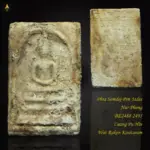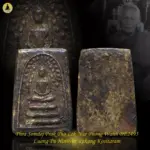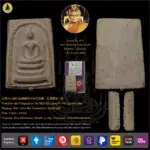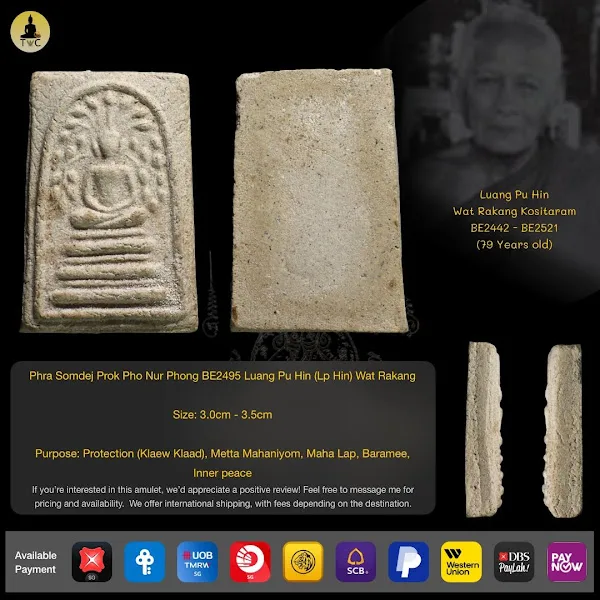
Phra Somdej Prok Pho Nur Phong BE2495-2500 Luang Pu Hin (Lp Hin) Wat Rakang
| Type | Phra Somdej |
| Monk | Luang Pu Hin Wat Rakang Kositaram |
| Temple | Wat Rakang |
| B.E. Year | 2495 |
| Material | Nur Phong |
| Condition | Good |
| SKU | TAC-0773 |
Authentic Phra Somdej Luang Pu Hin Wat Rakang Kositaram, BE 2495, pressed in nuea phong with Prok Pho composition. No certificate. Available from TAC Singapore.
What is the Phra Somdej Luang Pu Hin Wat Rakang Kositaram BE 2495?
The Phra Somdej Luang Pu Hin Wat Rakang Kositaram BE 2495 is a Prok Pho (โพธิ์ — Buddha seated beneath the Bodhi canopy) composition pressed from nuea phong (sacred powder blend) at Wat Rakang in Bangkok. Created during a period when the temple’s amulet lineage was still closely tied to its Somdej roots, this piece carries the quiet authority collectors associate with that tradition.
Luang Pu Hin and the Wat Rakang Lineage
Luang Pu Hin Wat Rakang Kositaram belongs to a line of senior monks who maintained the Somdej-making tradition at one of Bangkok’s most historically significant temples. Wat Rakang — formally Wat Rakang Kositaram — is the temple most closely associated with the origins of the Phra Somdej form, and monks who presided there carried the weight of that responsibility seriously. Luang Pu Hin’s pieces from BE 2495 reflect that disciplined continuity.
For collectors who follow the Thai Buddhist amulet tradition, provenance through a specific temple lineage matters as much as the material itself. A piece tied to Wat Rakang, from a monk of Luang Pu Hin’s standing, sits within a collector category that commands genuine interest — not because of marketing, but because the lineage is documented and the temple connection is real.
The Prok Pho Composition and How It Was Made
The pim (mould) on this piece depicts the Buddha in Prok Pho posture — seated under the arching branches of the Bodhi tree. This iconography references the moment of the Buddha’s awakening: patience, stillness, and clarity held under pressure. In collector practice, this composition is often preferred by those who want an amulet that reads as composed rather than commanding.
The nuea (material) is nuea phong — a dry-pressed muan sarn (sacred powder blend) typical of the Wat Rakang Somdej tradition. Phong-based pieces from this era were pressed rather than cast, giving them a chalky, fine-grained surface texture that experienced hands can identify by touch as much as by sight. The powder blend would have been prepared and consecrated at the temple before pressing.
- Surface texture: fine-grained, dry-pressed phong — look for consistent density without air pockets or heavy crazing
- Edge profile: clean but not machine-sharp; hand-pressed edges from this period show slight irregularities
- Prok Pho canopy: the Bodhi arch should be clearly defined in the relief; soft or blurred canopy lines are a caution flag
- Back detail: check for any secondary markings, stamping, or surface character consistent with BE 2495 era pieces
No certification accompanies this piece. That is stated plainly because it matters to buyers. Authentication here rests on physical examination — surface, edge, weight, and comparison against known reference pieces from the same temple and period.
What Collectors Associate This Piece With
In Thai amulet culture, the Phra Somdej is broadly associated with khum khrong (คุ้มครอง — protective coverage) and metta (เมตตา — kindness and harmonious relations). The Prok Pho composition adds a layer that collectors specifically associate with chit ning (จิตนิ่ง — steadiness of mind): the Bodhi canopy as a visual anchor, a reminder to stay composed. These are traditional belief framings — how devotees have described the function of this type for generations.
Pieces from this Wat Rakang lineage are typically worn or kept by collectors who value the temple connection as much as the spiritual association. The BE 2495 date places it in an era when Somdej production at the temple was still conducted with the old methods — hand-mixed phong, hand-pressed moulds, temple-based consecration. That combination is harder to find now.
We at TAC are offering this Phra Somdej Luang Pu Hin Wat Rakang Kositaram from BE 2495 — a nuea phong Prok Pho piece tied to one of Bangkok's most historically grounded Somdej-making temples. For collectors who authenticate by physical examination rather than paperwork, this is the kind of piece worth spending time with — the temple lineage and the era are right.
Attributes reflect Thai Buddhist devotional tradition and are not measurable claims.