Phra Leela Nur Din BE2500-2513 Luang Phor Mui Wat Don Rai
| Monk | Luang Phor Mui Wat Don Rai |
| Temple | Wat Don Rai |
| B.E. Year | 2500 |
| Material | Din |
| SKU | TAC-0065 |
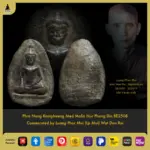
Authentic Phra Leela Nur Din BE2500-2513 Luang Phor Mui Wat Don Rai by Luang Phor Mui Wat Don Rai. Sacred clay, Sukhothai pim, phutthaphisek consecrated.
What is the Phra Leela Nur Din BE2500-2513 Luang Phor Mui Wat Don Rai by Luang Phor Mui Wat Don Rai?
The Phra Leela Nur Din BE2500-2513 Luang Phor Mui Wat Don Rai by Luang Phor Mui Wat Don Rai is a mid-century Walking Buddha amulet produced at Wat Don Rai, Suphanburi, between BE2500 and BE2513. Pressed in nuea din — sacred clay blended with temple soil and incense ash — and consecrated via phutthaphisek, it follows the elongated Sukhothai Phra Leela pim.
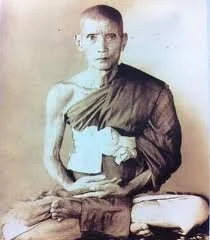
Luang Phor Mui and the tradition behind this piece
Luang Phor Mui, formally known as Phra Kru Suvithanmuni, built his reputation on disciplined monastic practice and community service at Wat Don Rai in Suphanburi province. His approach to amulet production was consistent with that discipline — restrained in decoration, deliberate in intention. The pieces he authorised are not showy; they carry weight through form and age rather than ornament.
The Phra Leela series he produced between BE2500 and BE2513 reflected a broader mid-century interest in reviving classical Sukhothai aesthetics. The Walking Buddha posture — the Buddha striding forward to spread the Dhamma — suited Luang Phor Mui’s emphasis on mindful progress and calm confidence. Collectors familiar with his work recognise the restraint immediately.
Nuea din, the pim, and how this amulet was made
Nuea din (sacred clay) is one of the oldest amulet materials in the Thai Buddhist amulet tradition. For this series, the clay matrix was blended with temple soil from Wat Don Rai, incense and candle ash, pollen, and traces of relic powder. That combination ties each piece directly to the physical ground and practice of the temple.
The pim follows the Sukhothai Phra Leela form — slender torso, elongated proportions, the right hand raised in a gesture of reassurance, the figure caught mid-stride. Hand-pressing leaves subtle marks along the edges. The phutthaphisek consecration ceremony was conducted with proceeds directed toward temple development and community welfare, which is standard practice for editions of this period.
On the reverse, collectors typically find natural clay stratification, age toning, and occasional iron or mineral flecks from the temple soil content. These are not defects — they are part of what tells the story of the material.
What collectors look for in this series
Pieces from the BE2500–BE2513 run at Wat Don Rai are assessed as collector-grade within the mid-century clay Leela category. Well-preserved examples are getting harder to find. The features that matter most to experienced eyes are consistent:
- Even clay tone across the surface — reddish-brown to earthen tan depending on the batch, without patchy restoration
- Clear Sukhothai lines on the pim — the stride, the raised hand, and the slender torso should read cleanly
- Natural age micro-pitting and surface texture, not artificially smoothed or treated
- Hand-press marks along the edges consistent with the production method of the period
- Mineral flecks from temple soil visible in the clay body
No certificate is currently associated with this piece. For nuea din amulets of this era, physical authentication relies on the material profile and pim characteristics rather than paperwork alone. Experienced dealers and specialists who know Luang Phor Mui’s editions are the primary reference point.
This Phra Leela Nur Din BE2500-2513 Luang Phor Mui Wat Don Rai is one of the cleaner examples of Luang Phor Mui's mid-century clay Leela series that we at TAC have handled — the Sukhothai pim reads well and the nuea din surface shows the kind of undisturbed age toning that matters most to serious Leela collectors. No certificate accompanies this piece, so we'd recommend referencing established niyom examples when presenting to buyers who require documentary support. The scarcity of well-preserved BE2500–2513 Wat Don Rai editions makes this worth documenting carefully before it moves.
Attributes reflect Thai Buddhist devotional tradition and are not measurable claims.