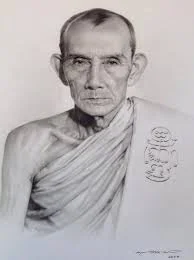
Phra Khun Paen Lang Kuman Thong Nur Din 7 Pacha (7 Cemetries) BE2500 Luang Phor Kuay Wat Kositaram
| Type | Phra Khun Paen Lang Kuman Thong |
| Monk | Luang Phor Kuay Wat Kositaram |
| Temple | Wat Kositaram |
| B.E. Year | 2500 |
| Material | Nur Din 7 Pacha (7 Cemetries) |
| Condition | Good |
| Certificate | Competition |
| Competition | Won 1ST placing |
| SKU | TAC-PhraKhunPaenLangKumanThong-LpKuay-004 |
Authentic Phra Khun Paen Lang Kuman Thong by Luang Phor Kuay Wat Kositaram. BE 2500, Nur Din 7 Pacha (7 Cemetries), Competition certified.
What is the Phra Khun Paen Lang Kuman Thong by Luang Phor Kuay Wat Kositaram?
The Phra Khun Paen Lang Kuman Thong Luang Phor Kuay Wat Kositaram is an authentic Thai amulet consecrated at Wat Kositaram in BE 2500, pressed from Nur Din 7 Pacha (7 Cemetries) — sacred earth gathered from seven cemetery sites. It carries a Competition certificate and features the Khun Paen figure on the front with a Kuman Thong image on the reverse.
The monk behind this piece and why BE 2500 matters
Luang Phor Kuay Wat Kositaram was regarded by his contemporaries as a master of traditional Wicha — the esoteric ritual knowledge underpinning Thai sacred-object production. His consecration ceremonies drew practitioners and collectors from across the region, and his command of cemetery-earth preparation placed him in a very short category of monks qualified to produce nuea (material/substance) of this type.
BE 2500 was a year of heightened Buddhist ceremonial activity across Thailand. Collectors treat pieces from this period with particular attention because the ceremonial conditions — the presiding monks, the supporting assemblies, the ritual timing — were documented and later verifiable. For a Luang Phor Kuay piece, that context only adds weight to what was already a technically demanding batch.
Nur Din 7 Pacha: what the material tells you
Nur Din 7 Pacha means earth taken from seven separate cemetery grounds, each selected for the potency ascribed to it within Thai esoteric tradition. Blending soil from seven locations is not routine work — it calls for advanced ritual knowledge to prepare, purify, and combine correctly before pressing. Luang Phor Kuay’s expertise in this process is a core reason collectors single out this batch.
The dual-image design reinforces the material’s intent. Khun Paen occupies the front face; Kuman Thong sits on the reverse. Both figures draw on the same cemetery-earth tradition, so the nuea and the iconography are directly aligned rather than decorative choices layered on top of each other.
For context on why temple origin and presiding monk matter as much as the material itself, the broader Thai Buddhist amulet tradition has always treated these three factors — monk, temple, and nuea — as inseparable when assessing a piece.
What collectors look for and how this piece is certified
The Competition certificate on this piece is meaningful in practical terms. It means a recognised panel of experts has examined the amulet and confirmed its origin, material, and ceremonial authenticity — not simply that it looks right. For collectors in Singapore, Malaysia, Hong Kong, and Taiwan who cannot independently access temple-origin verification, that document carries real weight.
When assessing a genuine example from this batch, experienced collectors check:
- The pim (mould shape and relief depth) consistent with known Wat Kositaram examples from BE 2500
- The texture and colour of the Nur Din 7 Pacha nuea — cemetery earth pressed at this time has a specific density and surface quality
- The clarity of both the Khun Paen front face and the Kuman Thong reverse image
- The Competition certificate itself, including panel markings and condition of accompanying documentation
Rarity is straightforward here: the batch is old, the material was labour-intensive to prepare, and certified examples are not easy to locate. Collector demand across Southeast Asia and Greater China reflects that scarcity, not speculation.
This piece holds a meaningful place in our collection at TAC: a BE 2500 Khun Paen Lang Kuman Thong from Luang Phor Kuay of Wat Kositaram, pressed in Nur Din 7 Pacha earth sourced from seven cemeteries — a material preparation that reflects the depth of traditional Wicha knowledge Luang Phor Kuay was known for. The dual-face composition, with Khun Paen on the obverse and Kuman Thong on the reverse, is a classic pairing from this era that serious collectors in the region continue to seek out, and the Competition certificate accompanying this example provides an important layer of authentication for discerning buyers. I consider certified pieces from Luang Phor Kuay's BE 2500 batch to be genuinely difficult to source in presentable condition today, which is worth bearing in mind for collectors building a considered Thai amulet reference collection.
Attributes reflect Thai Buddhist devotional tradition and are not measurable claims.