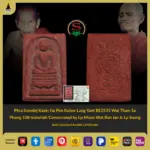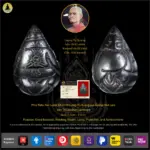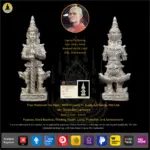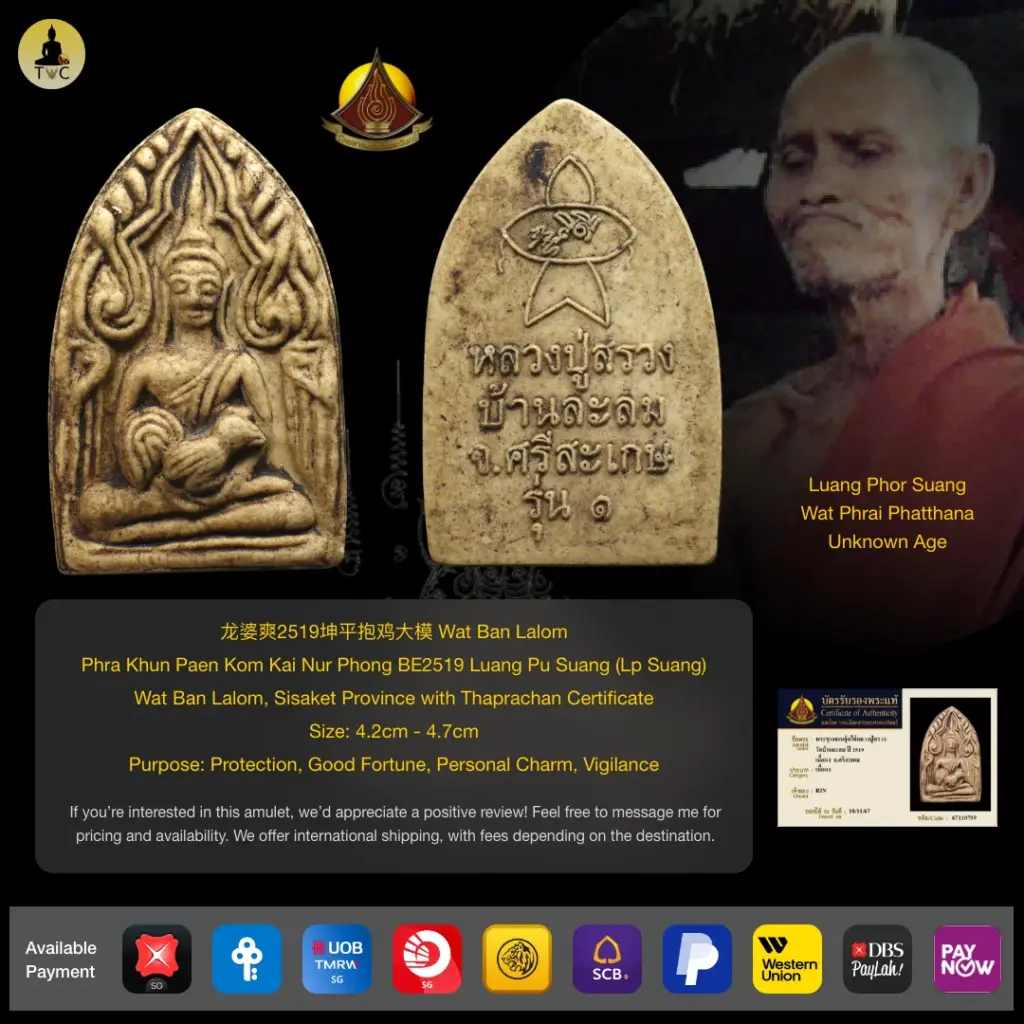
Phra Khun Paen Kom Kai Nur Phong BE2519 Luang Pu Suang (Lp Suang) Wat Ban Lalom, Sisaket Province
| Type | Phra Khun Paen |
| Monk | Luang Pu Suang |
| Temple | Wat Ban Lalom |
| B.E. Year | 2519 |
| Material | Phong |
| Condition | Very Good |
| Certificate | Thaprachan |
| SKU | TAC-0448 |
Authentic Phra Khun Paen Luang Pu Suang, Wat Ban Lalom BE 2519. Phong nuea, kom kai pim. Thaprachan certified. Available from TAC Singapore.
What is the Phra Khun Paen Kom Kai by Luang Pu Suang of Wat Ban Lalom?
The Phra Khun Paen Luang Pu Suang Kom Kai is a phong (sacred powder) amulet pressed in BE 2519 under the guidance of Luang Pu Suang at Wat Ban Lalom, Sisaket Province. It carries a Thaprachan certificate and is distinguished by the kom kai — a chicken motif — pressed into the face of the pim alongside the classic Khun Paen image.
The monk behind this piece and why Sisaket collectors pay attention
Luang Pu Suang built a following in Sisaket that has only grown since his passing. Monks from this region are sometimes overlooked by Bangkok-centric collectors, but that has shifted. Serious collectors from Thailand, Malaysia and Taiwan now track Wat Ban Lalom pieces carefully, and the BE 2519 batch sits near the top of that list.
His amulets follow the Thai Buddhist amulet tradition of concentrating sacred material and ritual intent into a single pressed form. What sets Luang Pu Suang apart is the consistency of that intent across his output — and the BE 2519 Khun Paen is considered one of his more significant editions.
The pim, the nuea, and what went into making it
The nuea here is phong — a muan sarn blend of sacred powders. The documented ingredients include holy powders and relics consolidated from earlier amulets, ashes of sacred herbs gathered from revered sites, and temple incense ash along with flowers used in Buddhist ceremony. Each element was selected and combined before being pressed into the pim.
The front of the pim shows Phra Khun Paen — the legendary Thai warrior monk — seated in meditation. The kom kai motif, the chicken, is the distinguishing design element on this particular run. In collector shorthand, kom kai signals vigilance and a protective quality associated with warding off harm and misfortune. It is not decorative; it is part of what defines this pim.
Consecration was led by Luang Pu Suang himself. The pluk sek (consecration ceremony) involved extended chanting of sacred mantras and ritual blessings conducted according to established Thai Buddhist practice. Production was limited, which is now reflected in how rarely clean examples change hands.
What to check before you buy — and how certification fits in
The Thaprachan certificate is the starting point, not the finish line. Collectors cross-reference the certificate against the physical piece — phong nuea from this period has a specific texture and density that experienced hands recognise immediately. The kom kai impression on the pim face should be crisp and consistent with documented reference examples.
Points to verify on any example:
- Phong texture: the muan sarn of BE 2519 pieces has an aged, slightly dry quality — not powdery, not greasy
- Pim sharpness: the Khun Paen figure and kom kai motif should show clean definition; worn or blurred lines raise questions
- Thaprachan certificate: check that the certificate number, amulet type and issuing details match the physical piece
- Back face: examine the reverse for consistency with documented examples from this batch
If you are newer to Luang Pu Suang pieces, compare against certified niyom (collector-standard reference) examples before committing. TAC can assist with that comparison for pieces in our inventory.
We acquired this Phra Khun Paen Luang Pu Suang from Wat Ban Lalom's BE 2519 batch with its Thaprachan certificate intact — for collectors tracking Luang Pu Suang's output, this is one of the editions that comes up consistently in serious conversations. The kom kai pim and certificated phong nuea make this a straightforward piece to present to a collector who knows what they are looking at.
Attributes reflect Thai Buddhist devotional tradition and are not measurable claims.