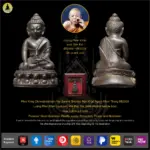
Phra Kring Wat Tor 1 Roon Ni Mi Prasobkan (model of experience – with Kring) Nur Phuttakhun Kelub Si Kaew BE2535 Consecrated by Luang Phor Koon Wat Ban Rai & Luang Phor Pern Wat Bang Phra
| Type | Phra Kring Wat Tor 1 Roon Ni Mi Prasobkan (model of experience - with Kring) |
| Monk | Luang Phor Koon (Lp Koon) Wat Ban Rai, Nakhon Ratchasima |
| Temple | Wat Thap Sai |
| B.E. Year | 2535 |
| Material | Nur Phuttakhun Kelub Si Kaew |
| Condition | Good |
| SKU | TAC-PhraKringWatTor1RoonNiMiPrasobkan(modelOfExperience-WithKring)-LpKoonWatBanRai&LuangPhorPernWatBangPhra-001 |
Authentic Phra Kring Wat Tor 1 Roon Ni Mi Prasobkan (model of experience - with Kring) by Luang Phor Koon (Lp Koon) Wat Ban Rai, Nakhon Ratchasima.
What is the Phra Kring Wat Tor 1 Roon Ni Mi Prasobkan (model of experience – with Kring) by Luang Phor Koon (Lp Koon) Wat Ban Rai, Nakhon Ratchasima?
The Phra Kring Wat Tor 1 Roon Ni Mi Prasobkan (model of experience – with Kring) Luang Phor Koon (Lp Koon) Wat Ban Rai, Nakhon Ratchasima is a Thai amulet consecrated in BE 2535 at Wat Thap Sai. Pressed from Nur Phuttakhun Kelub Si Kaew — a sacred compound with a translucent greenish glaze finish — it belongs to the Phra Kring typology, meaning each piece contains an internal rattle. No certificate accompanies this piece.
Luang Phor Koon and the meaning of “Roon Ni Mi Prasobkan”
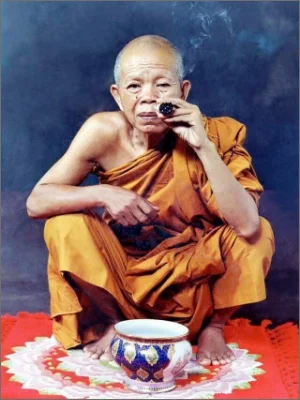
Luang Phor Koon (Lp Koon) Wat Ban Rai, Nakhon Ratchasima needs little introduction to collectors in this region. His name carries weight across Singapore, Malaysia, Thailand, and Greater China, and amulets consecrated under his authority in the BE 2535 period are among the most consistently tracked in the secondary market.
The designation “Roon Ni Mi Prasobkan” translates roughly as “model of experience” — a run (batch/edition) name that signals deep ceremonial expertise behind the piece rather than a standard production batch. For collectors, that distinction matters when comparing this edition against other Phra Kring releases from the same era.
The consecration took place at Wat Thap Sai, a temple with a documented role in serious merit-making ceremonies. The broader context of Thai amulet production — where temple, monk, and ceremony together define a piece’s lineage — is well established within the Thai Buddhist amulet tradition. Here, all three factors are traceable and specific.
The nuea: what Nur Phuttakhun Kelub Si Kaew tells you about this piece
Nuea (material/substance) is one of the first things a serious collector checks. This piece is pressed from Nur Phuttakhun Kelub Si Kaew — “Kelub Si Kaew” referring to the translucent green-tinted glaze that gives the surface its distinctive luminous character. That finish is not decorative; it is a function of the sacred compound used, and its consistency across the surface is one of the things collectors use to compare against reference examples.
The “kring” — the internal rattle sealed within the amulet body — is what places this firmly in the Phra Kring typology. Collectors verify its presence by the audible sound when the piece is gently tilted. A clear, defined rattle from a well-aged piece is considered a positive sign. A muted or absent sound may indicate damage to the internal cavity or, in worse cases, a reproduction.
This piece carries no certificate. That is common for BE 2535 editions of this type, and it shifts authentication entirely to physical examination and knowledge of the pim (the mould collectors authenticate against). Collectors should compare surface texture, mould sharpness, and kring quality against documented examples from this specific Wat Thap Sai run before committing.
What collectors look for when authenticating this piece
Because no certificate accompanies this amulet, physical authentication carries the full weight. A few things to check:
- Condition and tone of the Nur Phuttakhun Kelub Si Kaew surface — age-consistent patina, no signs of artificial ageing
- Sharpness and accuracy of mould detail against known BE 2535 reference examples from this edition
- Audibility of the internal kring rattle — present, clear, consistent with a well-preserved piece
- Overall weight and feel — Nur Phuttakhun Kelub Si Kaew has a particular density that experienced hands recognise
Sourcing from a reputable dealer with documented provenance is the practical starting point. Genuine BE 2535 examples from Wat Thap Sai have become harder to locate over the past decade, which makes condition and traceable history more important, not less.
Collectors across Southeast Asia and Greater China follow Luang Phor Koon material closely. Pieces from this period with a clear temple connection and intact kring consistently attract sustained interest in both private and auction markets.
We at TAC sourced this Phra Kring Wat Tor 1 Roon Ni Mi Prasobkan (model of experience - with Kring) for collectors who follow Luang Phor Koon (Lp Koon) Wat Ban Rai, Nakhon Ratchasima material seriously — the BE 2535 Wat Thap Sai run is not something you come across regularly in clean condition. No certificate accompanies this piece, which is standard for this edition, so physical authentication against reference examples is what we recommend.
Attributes reflect Thai Buddhist devotional tradition and are not measurable claims.