Phra Pidta Phong Radukphi BE2485 Archan Nu Wat Phra Chetuphon (Wat Pho Tha Tien)
| Type | Phra Pidta |
| Monk | Archan Nu Wat Phra Chetuphon (Wat Pho), Bangkok |
| Temple | Wat Phra Chetuphon |
| B.E. Year | 2485 |
| SKU | TAC-0334 |
Authentic Phra Pidta by Archan Nu Wat Phra Chetuphon (Wat Pho), Bangkok. Phong radukphi nuea, BE 2485, Thaprachan cert noted. Available from TAC Singapore.
What is the Phra Pidta Phong Radukphi by Archan Nu Wat Phra Chetuphon (Wat Pho), Bangkok?
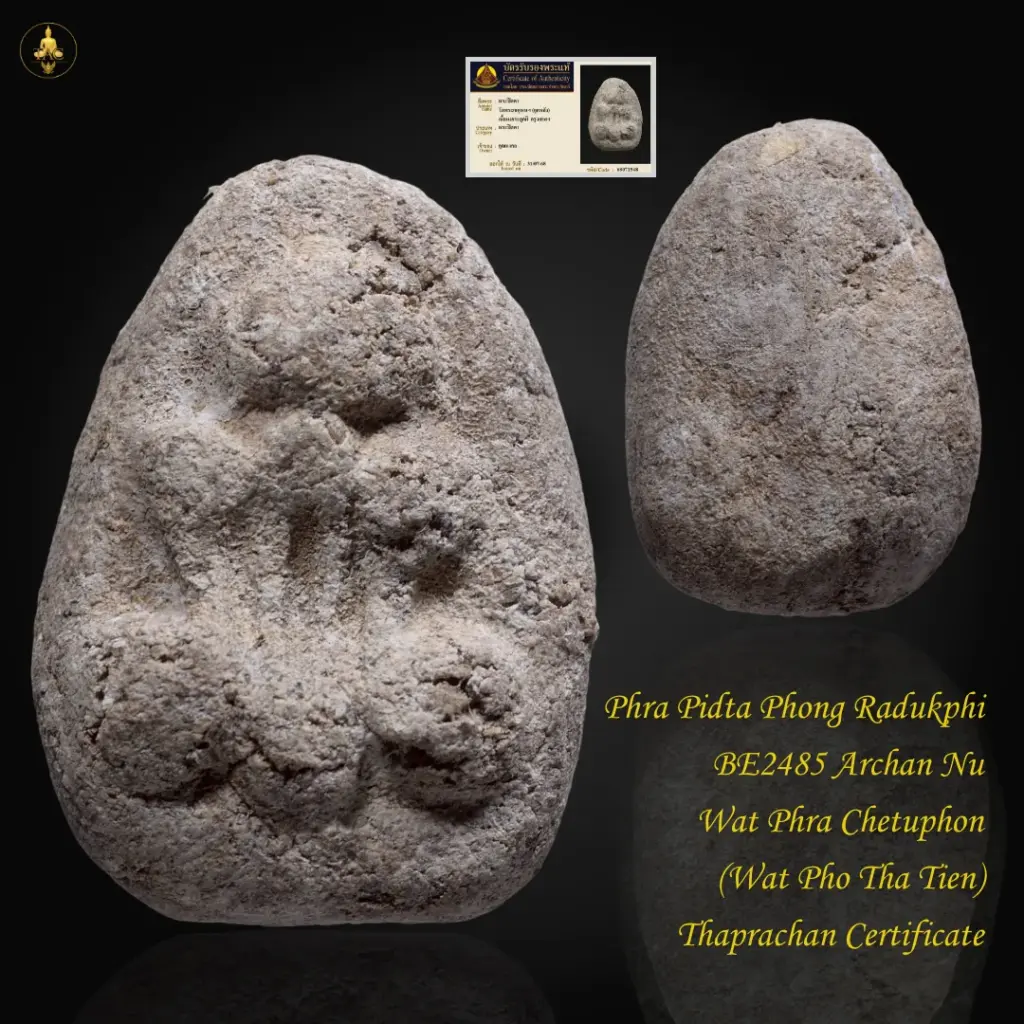
The Phra Pidta Archan Nu Wat Phra Chetuphon (Wat Pho), Bangkok is a sacred powder amulet pressed from phong radukphi (a ritual powder matrix with cremation-related matter) and dated to BE 2485. Attributed in collector tradition to Archan Nu of Wat Phra Chetuphon, Bangkok, it represents one of the more seriously studied Pidta lines from the wartime era of old Bangkok.
Archan Nu, Wat Pho, and a Wartime Bangkok Context
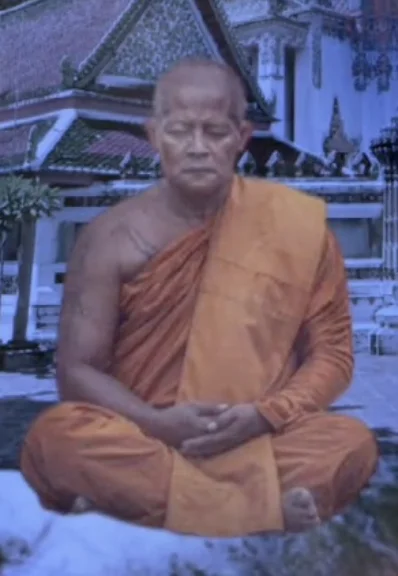
Archan Nu Wat Phra Chetuphon (Wat Pho), Bangkok is remembered in collector circles as a ritual practitioner grounded in old-school mantra discipline and a protective devotional orientation. Notes around this lineage emphasise the kind of consecration work that defined pre-war and wartime Bangkok monastic practice — methodical, inward-focused, and tied closely to the Wat Pho Tha Tien area. There is no loud commercial story attached to this name, which is part of why serious collectors pay attention.
BE 2485 sits squarely in a difficult period for Thailand. In collector writing, pieces from this era are read through a practical lens: people wore amulets they trusted, carried them daily, and chose forms that matched the mood of uncertain times. The Pidta image — a seated figure with hands covering the face — carries a natural fit with that mindset. Compact, self-contained, suggesting withdrawal from disturbance rather than confrontation with it.
Wat Phra Chetuphon, more widely known as Wat Pho, is one of Bangkok’s most significant historic temple complexes. Its place within the Thai Buddhist amulet tradition reflects centuries of royal patronage, active lay devotion, and continuous ritual practice. For collectors, a piece associated with this site carries genuine weight — not because of name recognition alone, but because the temple’s long history of serious monastic activity gives older attributions a credible foundation to study against.
Phong Radukphi: Reading the Material
Phong radukphi is a nuea (material/substance) category that collectors approach with both care and respect. The name, in older Thai ritual vocabulary, refers to a sacred powder matrix that includes cremation-related ash or bone-derived matter as part of its consecration intention. This is not sensationalism — it belongs to a pre-modern framework where matter, meaning, and ritual discipline were treated as inseparable.
What a collector actually reads in the hand is different from the category name. For this type of older phong amulet, the surface should show natural powder compression, a settled matte texture, and age distribution that reads consistently across both protected and exposed areas. Edges and recesses tend to reveal how the press settled over decades. Shine is not the point here — quiet, dry maturity is.
- Look for stable old texture with no signs of artificial patination or surface interference.
- The pim (mould) should produce a coherent silhouette: balanced body proportion, convincing arm closure, clean head mass, and a shoulder arc that holds together front and back.
- Reverse field texture and natural age distribution across the matrix are key comparison points when studying pieces of this period.
- Material attribution for phong radukphi pieces is best understood through ritual tradition, collector documentation, and recognised certification — not modern scientific framing.
A Thaprachan certificate is noted in the listing. For older Bangkok powder pieces, a recognised certificate provides a meaningful reference point, though experienced collectors still weigh it alongside direct comparison study and surface logic.
What Collectors Look for in This Piece
BE 2480s Bangkok Pidta material is a mature collecting field. Later reproductions are not rare, which means correctly attributed examples sit in a more selective bracket. The phong radukphi designation adds another layer of scrutiny — it is a studied material category, not a casual label, and pieces that hold together convincingly in both form and surface carry genuine collector interest.
The Pidta form itself rewards slow reading. The seated closed-face posture is the whole emotional register of the piece: composed, guarded, inward. Collectors compare body proportion, the arc of arm closure, head mass relative to shoulder width, and how edge compression reads across the press. No single point is definitive on its own — the overall coherence of the form is what experienced eyes judge.
The combination of age bracket, phong radukphi nuea, Archan Nu attribution, Wat Pho provenance, and certificate support makes this a piece for collectors who value quiet historical weight over visual drama. It is the kind of amulet that takes time to understand properly, which is usually a good sign.
This is a BE 2485 phong radukphi Pidta attributed to the Archan Nu line of Wat Phra Chetuphon — wartime-era Bangkok material in a category that serious collectors study carefully. For collectors focused on old Bangkok powder pieces with documented attribution and a recognised certificate, this sits in a bracket worth studying closely.
Attributes reflect Thai Buddhist devotional tradition and are not measurable claims.