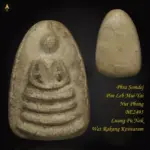
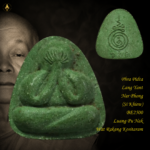
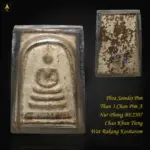
Rian Phraprathan Lang Somdej Toh Nur Thong Daeng BE2520 Chao Khun Tieng Wat Rakang Kositaram
| Type | Phra Somdej |
| Monk | Archan Toh |
| Temple | Wat Rakang |
| B.E. Year | 2520 |
| Material | Thong Daeng |
| SKU | TAC-0403 |
Authentic Phra Somdej Archan Toh Rian Phraprathan, Wat Rakang BE 2520, nuea Thong Daeng, presided by Chao Khun Tieng. Available from TAC, Singapore.
What is the Phra Somdej Archan Toh Rian Phraprathan from Wat Rakang, BE 2520?
The Phra Somdej Archan Toh Rian Phraprathan is a BE 2520 coin amulet (rian) issued by Wat Rakang Kositaram, Bangkok, presided over by Chao Khun Tieng. Cast in nuea Thong Daeng — copper alloy — it carries the Phraprathan Buddha image on the obverse and a Lang Somdej Toh homage on the reverse.
Why Wat Rakang and the Name Somdej Toh Still Matter in 2024
Wat Rakang Kositaram is the temple most collectors think of first when the Somdej tradition comes up. Archan Toh — formally known as Somdej Phra Phutthachan (Toh) — lived and worked there, and his name has anchored Wat Rakang’s place in the Thai Buddhist amulet tradition for well over a century. Pieces that carry his name or likeness are treated with a level of seriousness that goes beyond ordinary collecting.
The Lang Somdej Toh reverse on this rian is a deliberate act of lineage tribute. The temple chose to pair the Phraprathan image on the front with Archan Toh on the back — front for the Buddha, back for the lineage. Collectors in Singapore, Malaysia, and Taiwan read that pairing instantly and understand what the issuer intended.
Chao Khun Tieng presided over this BE 2520 edition, connecting it to the formal religious authority of the temple at that time. That adds a layer of institutional grounding that pure commemorative pieces sometimes lack.
Nuea Thong Daeng — What the Coin Is Made From and How to Read It
Thong Daeng is copper. For a rian of this period, it was the practical, durable choice — thin enough to wear daily, hard enough to hold a clean strike across decades. The surface develops a characteristic patina over time: quiet, settled, darker in the recessed details and naturally worn on the raised points. That graduated aging is one of the first things an experienced eye looks for.
Authentication for a BE 2520 Thong Daeng rian focuses on a handful of consistent checkpoints:
- Stamp depth — the Buddha silhouette, borders, and main characters should show consistent press pressure, not shallow or uneven strikes.
- Natural patina — oxidation that reads “quiet and believable,” not scrubbed clean or artificially darkened.
- Raised-point wear — high points on the portrait and rim should show honest wear that matches the coin’s age.
- Rim profile and edge continuity — any heavy reworking or alteration usually shows at the rim first.
For this type, micro-variant hunting matters less than the overall harmony of the strike. Clarity of the portrait lines and the condition of the lettering on both faces are the practical anchors collectors rely on.
No third-party certificate is listed for this piece. Buyers who require certification should factor in independent grading before purchase. TAC recommends visual authentication against reference examples for any BE 2520 Wat Rakang rian.
What Collectors Look for in a Piece Like This
Rian pieces from Wat Rakang sit in a specific part of the market — not the highest-value Somdej powder pieces, but meaningful, wearable, temple-name items that anchor a Wat Rakang-themed collection. A BE 2520 Thong Daeng rian in clean condition with stable patina and crisp borders presents well and is straightforward to authenticate visually, which is part of its practical appeal.
In many collections across the region, these coins pair naturally with other Wat Rakang pieces. They are honest about what they are: a respectful homage to Archan Toh issued through proper temple channels, in a format built for everyday carry.
We at TAC are listing this BE 2520 Rian Phraprathan from Wat Rakang Kositaram as a solid temple-name piece carrying the Lang Somdej Toh homage on the reverse — the kind of honest, wearable Thong Daeng rian that anchors a Wat Rakang collection without pretension. No third-party certificate is attached to this example, so the listing price reflects that; buyers who want graded confidence should be guided accordingly.
Attributes reflect Thai Buddhist devotional tradition and are not measurable claims.