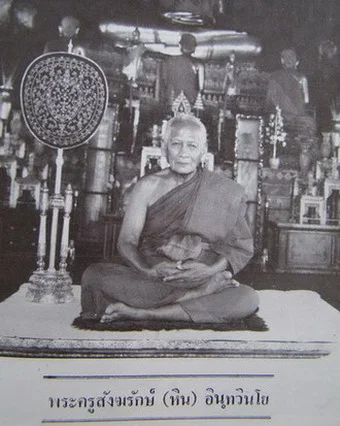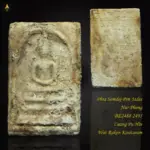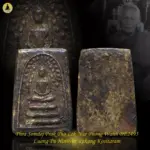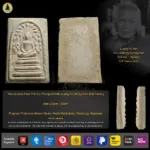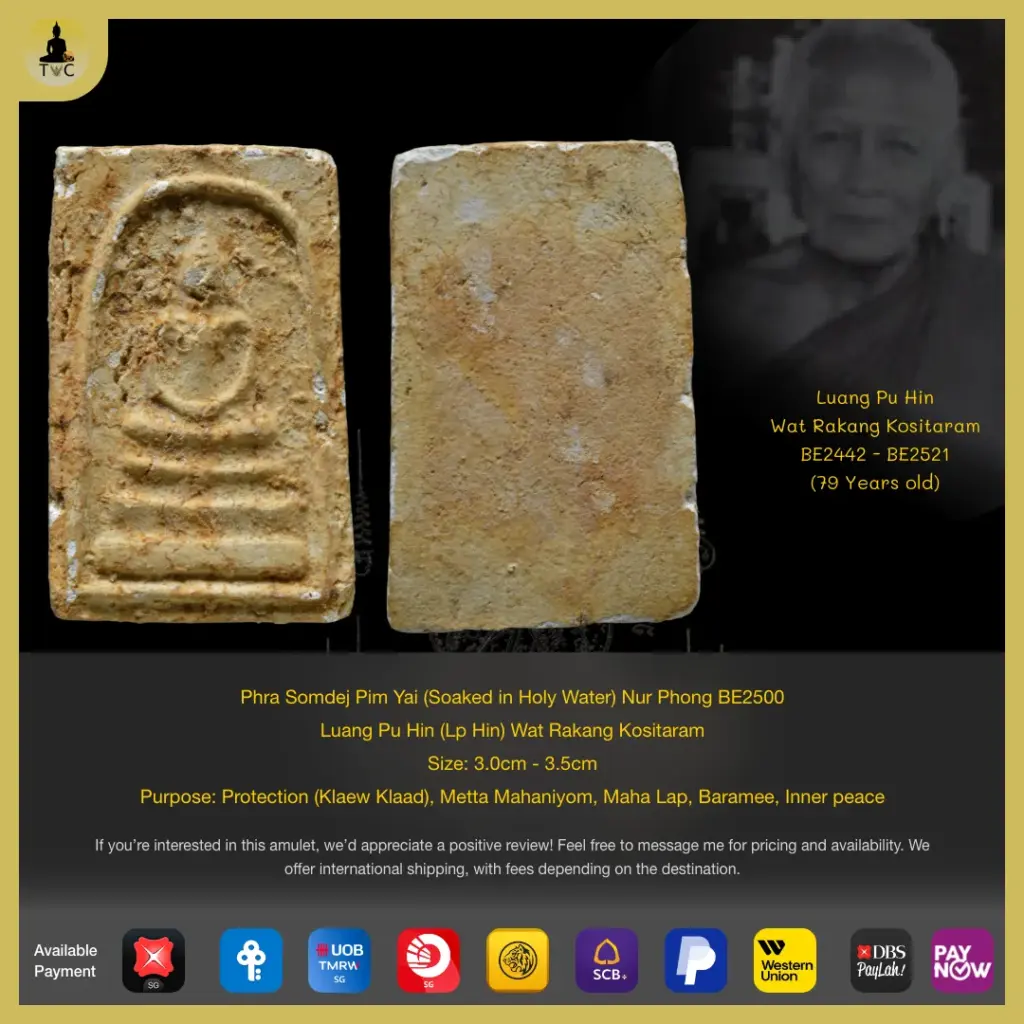
Phra Somdej Pim Yai (Soaked in Holy Water) Nur Phong BE2500 Luang Pu Hin (Lp Hin) Wat Rakang Kositaram
| Type | Phra Somdej |
| Monk | Luang Pu Hin Wat Rakang Kositaram |
| Temple | Wat Rakang |
| B.E. Year | 2500 |
| Material | Phong |
| SKU | TAC-0048 |
Authentic Phra Somdej Luang Pu Hin Wat Rakang Kositaram, BE2500 Pim Yai soaked in holy water. Sacred phong blend from three temples. Singapore dealer TAC.
What is the Phra Somdej Luang Pu Hin Wat Rakang Kositaram BE2500 Pim Yai Soaked in Holy Water?
The Phra Somdej Luang Pu Hin Wat Rakang Kositaram BE2500 Pim Yai is a large-mould sacred powder amulet created at Wat Rakang to mark the 2500th year of the Buddhist Era. Pressed from phong (sacred powder blend) that was ritually soaked in holy water before moulding, this piece sits within the unbroken Somdej lineage stretching back to Somdej Phra Buddhacarya (To Phrommarangsi).
Why BE2500 matters at Wat Rakang — and what Luang Pu Hin brought to it
BE2500 (1957) marked 2,500 years since the Buddha’s Parinibbana. Across Thailand it was treated as a once-in-history milestone, and temples raced to produce commemorative amulets worthy of the occasion. At Wat Rakang — the temple most collectors associate with the founding of the modern Phra Somdej tradition — the task fell to Luang Pu Hin Wat Rakang Kositaram.
He was not a public figure in the way some abbots of that era were. Within the Sangha, though, he was recognised as a direct spiritual heir of Somdej Toh’s teachings and the monk responsible for keeping the proper consecration lineage alive through the temple’s mid-20th-century cycle. His standing gave the BE2500 batch its authority — the ceremonies were conducted under his leadership, with senior monks from Wat Bowonniwet, Wat Suthat, and Wat Phra Kaew attending alongside Dhammayut and Mahanikaya clergy. Extended chanting of the Phra Jina Banchon (Chinabanchorn) mantra and Itipiso verses ran through the pluk sek (consecration ceremony).
The stated purpose was twofold: honour the legacy of Somdej Toh and make amulets available to devotees who supported the temple’s renovation and Dhamma propagation work. Proceeds went directly back to the temple.
The phong blend and how the soaking method shaped this piece
The muan sarn (sacred powder blend) here is unusually layered. The base draws on powder fragments from old Phra Somdej amulets across three temples — Wat Rakang, Wat Bangkhunphrom, and Wat Mai Amataros — along with incense ash, flower pollen collected from major Buddhist ceremonies, Phong Itijay, and Phong Puttakun contributed by respected monks. Fragments from broken Phra Somdej pieces were folded in too, preserving material that would otherwise have been lost.
What makes this specific run distinct is the soaking step. Before pressing, the entire phong mixture was submerged in holy water and temple-blessed liquids for a curing period. This is where the name “Soaked in Holy Water” comes from, and it directly affects how the finished piece looks and feels: the surface tends toward a soft, chalky texture with subtle absorption patterns — characteristics veteran collectors use as positive identifiers rather than signs of damage. The Thai Buddhist amulet tradition treats the ritual process as inseparable from the object, and that is very much the philosophy behind this batch.
The pim (mould) used is the Pim Yai — the larger mould in the series. It follows the classic Wat Rakang Somdej structure: three to five tiered steps, a pronounced seated Buddha body in the centre, and a high-relief border. The combination of large format and soaked-phong nuea (material/substance) makes this one of the more immediately recognisable pieces from the BE2500 cycle.
What to look for, and where certification stands
Collectors evaluating this piece focus on a few consistent markers:
- Surface texture consistent with soaked phong — soft and slightly chalky, not hard or brittle like later machine-pressed pieces
- Subtle water-absorption patterns visible under good lighting
- Pim Yai proportions: the body of the Buddha should read as large and well-defined within the tiered frame
- Age-consistent colour across the phong — uneven darkening in recessed areas is normal for a genuine BE2500 piece
- Original temple boxes or ceremonial envelopes where still present
Some verified pieces carry certificates from recognised Thai amulet authentication bodies such as DD-Pra or Samakom Phra. This listing carries no certificate. Buyers who require certified examples should request verification before purchase, and TAC recommends comparing against known niyom (collector-standard reference pieces) when in doubt.
This BE2500 Pim Yai from Luang Pu Hin at Wat Rakang is one of the more historically grounded pieces we carry from the commemorative cycle — created specifically to mark 2,500 years of the Buddhist Era, with a muan sarn that draws on powder from Wat Rakang, Wat Bangkhunphrom, and Wat Mai Amataros, then soaked in holy water before pressing. For collectors focused on the Somdej lineage and the mid-century Wat Rakang tradition, Luang Pu Hin's role as the monk who kept that consecration lineage intact makes this batch worth serious attention.
Attributes reflect Thai Buddhist devotional tradition and are not measurable claims.