Luang Phor Huang (Lp Huang) Wat Kamphaeng Sean
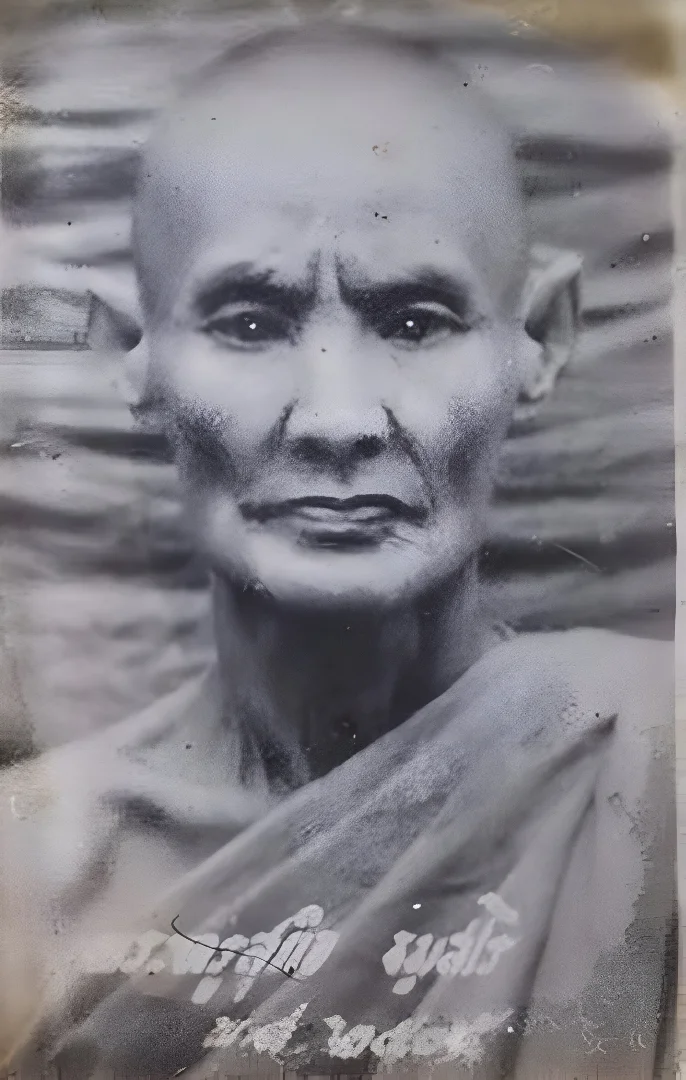
Luang Phor Huang (Phra Khru Sukhitadhammasorn) Former Abbot of Wat Kamphaeng Saen, Nakhon Pathom Born in the early twentieth century in Kamphaeng Saen District of Nakhon Pathom, Luang Phor Huang showed a quiet affinity for discipline and contemplation from childhood. At twenty, in BE 2486 (1943), he entered the monkhood at Wat Nong Pla Lai. ... Read more ↓
Amulets by Luang Phor Huang (Lp Huang) Wat Kamphaeng Sean 1 total · 1 available
![[SOLD] Phra Narai Thong Pun Nur Phong Dang Dam Lang Code BE2500 Luang Phor Huang (Lp Huang) – God of Kamphaeng Saen Wat Kampheang Sean, Nakhon Pathom](https://tac-media.sgp1.digitaloceanspaces.com/2026/03/sold-phra-narai-thong-pun-nur-phong-dang-dam-lang-code-be2500-luang-phor-huang-lp-huang-god-of-kamphaeng-saen-wat-kampheang-sean-nakhon-pathom-300x300.webp)
Biography
Luang Phor Huang (Phra Khru Sukhitadhammasorn)
Former Abbot of Wat Kamphaeng Saen, Nakhon Pathom
Born in the early twentieth century in Kamphaeng Saen District of Nakhon Pathom, Luang Phor Huang showed a quiet affinity
for discipline and contemplation from childhood. At twenty, in BE 2486 (1943), he entered the monkhood at Wat Nong Pla Lai.
His ordination was overseen by the abbot of Wat Kamphaeng Saen, who also bore the title Phra Khru Sukhitadhammasorn, and he received
the monastic name Pawaro. Under the guidance of Luang Phor Pan Arakkho and Phra Ajahn Sanan, he began the steady training
that would define a life of practice.
After his early years in the robe, he sought out masters whose reputations for both Dhamma and sacred sciences were already legendary
in Nakhon Pathom. With Luang Phor Tha of Wat Phaniang Taek he learned the grammar of consecration—inscribing sacred script, cultivating
metta, and conducting blessings that married ritual with mindfulness. With Luang Phor Chaem of Wat Takong he studied the protective
disciplines known as Klaew Klaad and Maha-Ut, not as spectacle but as skillful means for safeguarding lay lives and steadying fearful hearts.
These relationships shaped his character: measured, compassionate, and quietly exacting.
In BE 2502 (1959) his commitment to Vipassana deepened at Wat Kamphaeng Saen, where daily routine—chanting, almsround, and
long hours of meditation—formed the bedrock of his teaching. Decades later, in BE 2524 (1981), he refined his insight under
Luang Phor Dulya Atulo of Wat Burapharam, heir to the forest lineage of Ajahn Mun Bhuridatto. That encounter polished an approach
already visible to devotees: mindfulness first, ritual in service of the heart, and a teaching style that valued clarity over ornament.
Though reluctant to seek position, community trust drew him into stewardship of Wat Kamphaeng Saen. He restored halls and dwellings,
improved facilities for the Sangha, encouraged study among youth, and balanced administration with the steady rhythm of practice.
Later, he accepted an invitation to serve at Wat Rangman (Wat Pracharat Bamrung), carrying with him the same plainspoken ethic:
build what is needed, teach what is useful, keep the robe simple.
The amulets issued under his supervision were never conceived as trade but as instruments of merit—supporting temple projects and
charitable works. Collectors speak of their threefold character: Metta Mahaniyom (the warmth that opens doors), Klaew Klaad
(timely avoidance of harm), and Maha-Ut (resolute protection). Their reputation rests not only on materials or forms but on a
consecration method informed by the teachings of LP Tha and LP Chaem and rooted in the calm of sustained meditation.
In March BE 2552 (2009) he moved to Wat Rangman to reduce administrative burdens and return to a quieter cycle of Dhamma
practice. Even then, devotees found him at the same wooden table—listening more than speaking, blessing water for the sick, signing
simple yantra for those who feared the road ahead. He passed away peacefully, leaving a temple tradition strengthened by service,
a regional following formed by example, and sacred objects whose value is measured as much by compassion as by craft.
Explore more from Thai Amulets Collection: browse all amulets, monk biographies, or discover katha sacred chants.
For broader context on Thai Buddhist traditions, see Thai amulets on Wikipedia.
Other monks