Phor Than Khao (Phra Kru Di Ka Khao) Wat Changhai
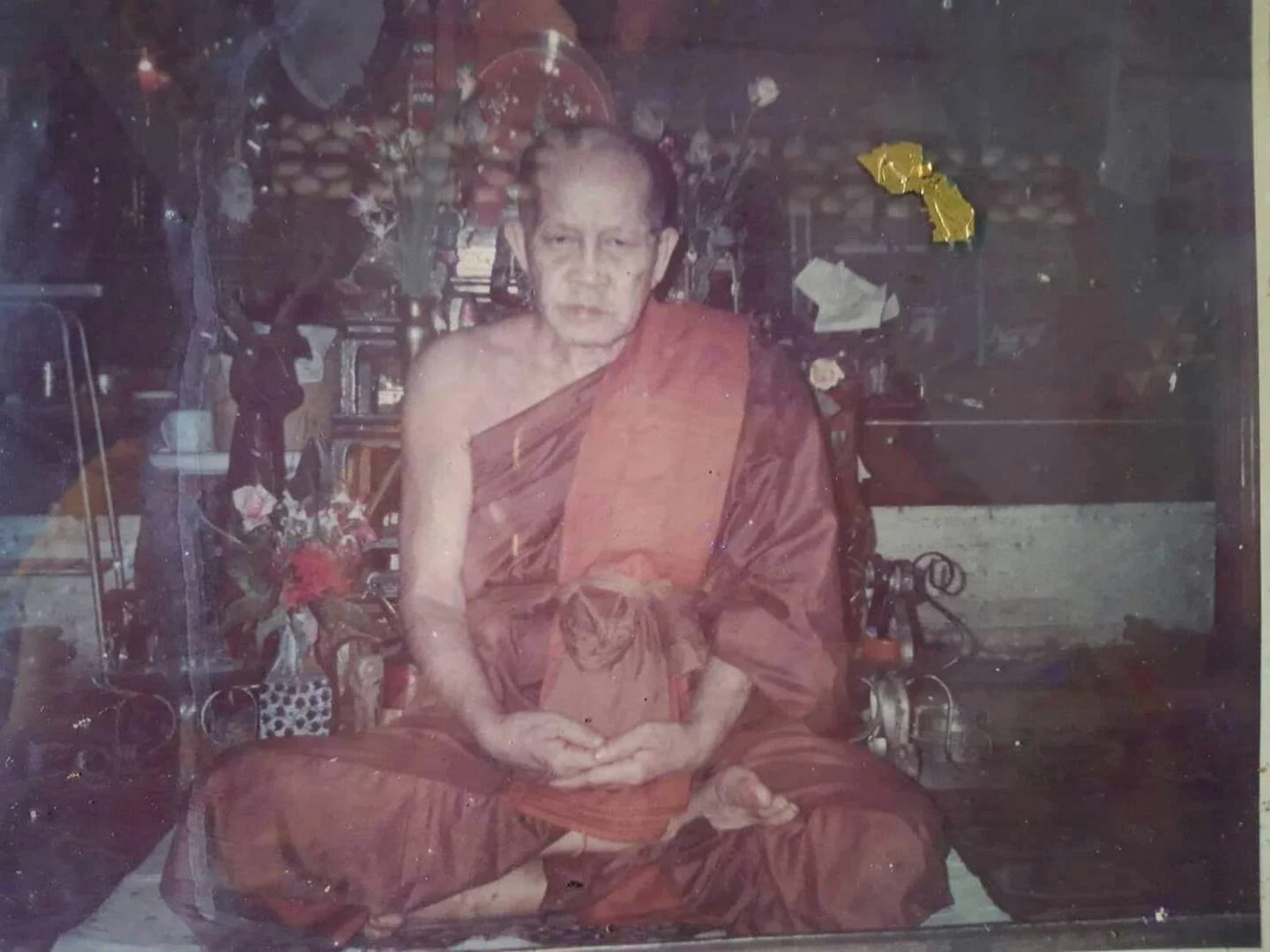
Phor Than Khao — Phra Khru Baidika Khao Rakkhittadhammo (Wat Chang Hai) Lineage of Luang Phor Thuad • Former Abbot of Wat Chang Hai, Pattani • All key dates in BE Phor Than Khao (Phra Khru Baidika Khao Rakkhittadhammo), Wat Chang Hai, Pattani Phor Than Khao, formally titled พระครูใบฎีกาขาว รักขิตธัมโม (Phra Khru Baidika Khao Rakkhittadhammo), ... Read more ↓
Amulets by Phor Than Khao (Phra Kru Di Ka Khao) Wat Changhai 2 total · 2 available
Biography
Phor Than Khao — Phra Khru Baidika Khao Rakkhittadhammo (Wat Chang Hai)
Lineage of Luang Phor Thuad • Former Abbot of Wat Chang Hai, Pattani • All key dates in BE
Phor Than Khao, formally titled พระครูใบฎีกาขาว รักขิตธัมโม (Phra Khru Baidika Khao Rakkhittadhammo),
is remembered as a steady pillar of the Southern Thai lineage associated with Luang Phor Thuad. Born on
7 July BE 2463 at Ban Kluay, Tambon Na Pradu, Amphoe Khok Pho, Pattani, to Mr. Inthong and
Mrs. Num Prompradu, he grew up with simple means and early diligence. He completed Primary 4 and later attained
Nak Tham Ek, the highest level in the traditional Dhamma curriculum—an achievement that anchored his life in disciplined study.
Drawn equally to Vipassana Kammatthana, traditional Thai herbal medicine, and sacred sciences, he cultivated a reputation for
careful practice and quiet compassion. Monastic life deepened these qualities: humility in conduct, clarity in meditation, and a
practical kindness that drew seekers from near and far, including foreign visitors who came to study, to heal, or simply to sit in
his calm presence.
His biography is inseparable from his elder brother, Luang Phor Tim of Wat Chang Hai—the master who revitalized the
veneration of Luang Phor Thuad and set the course for the famed tablets first issued in BE 2497. When Luang Phor Tim
passed, the community naturally turned to Phor Than Khao. He accepted the burden of leadership without ceremony, serving as abbot of
Wat Chang Hai from BE 2512 to BE 2521, and guiding the monastery with measured hands:
strengthening monastic discipline, sustaining ritual life, and attending to the faithful who sought protection, teaching, and remedy.
In the oral remembrances of the South, the spirit of Luang Phor Thuad is said to have made itself known through vision
and inner prompting—first with Luang Phor Tim, later echoing in the work of his brother. The message was simple and compassionate:
consecrate amulets as vehicles of aid for those burdened by suffering. Thus, black herbal powder and din dam (black clay)
continued to be prepared, kneaded with prayer, and blessed for the laity—objects not of superstition but of hope, discipline, and
remembrance of the Dhamma.
After relinquishing the abbacy, he chose a quieter path at the Kuan Krut Hermitage (สำนักสงฆ์ควนกรูด), near the
Arts and Crafts Centre of Wat Chang Hai. There he taught gently, offered herbal remedies, and kept a regular meditation routine until
his final days. He passed away peacefully in BE 2536.
At his cremation in his hometown at Wat Na Pradu, devotees recall an unusual event: the pyre did not take. Only after
a formal apology and rite of reverence did the fire consume his remains. Whether seen as miracle or omen, the story endures because it
mirrors how people experienced him in life—unmoved by agitation, steady in virtue, and quietly resolute. Today his teachings, his
amulets, and the memory of his healing presence continue to circulate through the South and beyond, as part of the living heritage of
the Luang Phor Thuad lineage.
Explore more from Thai Amulets Collection: browse all amulets, monk biographies, or discover katha sacred chants.
For broader context on Thai Buddhist traditions, see Thai amulets on Wikipedia.
Other monks