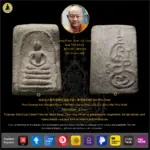
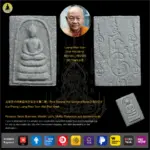
Phra Somdej Ketmongkol Lang Yant Roon 2 Nur Phong BE2512 Luang Phor Toon Wat Pho Nimit
| Type | Phra Somdej |
| Monk | Luang Phor Toon (Lp Toon) Wat Pho Nimit |
| Temple | Wat Pho Nimit |
| B.E. Year | 2512 |
| Material | Phong |
| SKU | TAC-0111 |
Authentic Phra Somdej by Luang Phor Toon (Lp Toon) Wat Pho Nimit, BE 2512. Ketmongkol Roon 2 in phong with rare Hah Taew yant reverse.
What is the Phra Somdej Ketmongkol Lang Yant by Luang Phor Toon (Lp Toon) Wat Pho Nimit BE 2512?
The Phra Somdej Luang Phor Toon (Lp Toon) Wat Pho Nimit BE 2512 is a sacred powder (phong) amulet pressed at Wat Pho Nimit in 1969 CE. Known as the Ketmongkol Roon 2 (second batch), it pairs a classic Somdej obverse with a Hah Taew five-line yant reverse — a less common format that collectors of central Thai mid-century pieces specifically track.
The Roon 2 Issue and What Makes This Piece Stand Apart
This piece came out of the second Ketmongkol batch, following an earlier issue from the same temple. The timing — late BE 2500s — places it squarely in a period when central Thai temples were mobilising sacred objects both to fund restoration work and to anchor lay devotional practice. Consecration followed a multi-cycle phutthaphisek (ritual empowerment ceremony), incorporating prosperity-oriented mongkhon-katha invocations alongside paritta suttas drawn from the Pali canon.
What separates this run from a standard Somdej is the reverse. The Hah Taew yant — five lines of Khom script encoding protective and auspicious meaning — reflects a cross-lineage wicha (esoteric knowledge tradition) shared between central Thai and Khmer monastic networks. Collectors who study protective iconography across lineages specifically look for this Somdej-plus-yantra combination. Documented casts with the yant reverse intact and minimal edge loss are the ones that draw the most attention in the secondary market today.
The obverse follows Somdej proportions kept deliberately austere: Buddha in Maravijaya posture over a stepped throne, firm shoulder line, compact oval halo. Luang Phor Toon (Lp Toon) Wat Pho Nimit and his temple were known for disciplined chant cycles and seated samadhi practice, and that discipline shows in the workshop output — clean geometry, nothing decorative added for its own sake.
Nuea and Construction: What the Phong Tells You
The muan sarn (sacred powder blend) here is Pong Phuttakhun — a base that typically incorporates temple soil, scripture-ash known as Ittijay, herbal binders, and fine mineral grit. Late-1960s formulations from central Thai temples tend to show a characteristic micro-pitting on the surface and visible powder stratification on the sides. Both are positive indicators when examining a piece from this period.
The pim (mould form) is the Somdej Ketmongkol: strong step geometry with a balanced shoulder slope and compact halo contour. When assessing authenticity, collectors cross-check those proportions against known reference pieces from the same run. The Thai Buddhist amulet tradition places significant weight on pim consistency as a primary authentication point precisely because the mould geometry is harder to replicate convincingly than surface finish alone.
Authentication for this piece focuses on several specific indicators:
- Correct step-throne proportions and shoulder slope consistent with the Ketmongkol pim
- Compact oval halo with even contour
- Pressed phong grain and age-appropriate matte patina
- Hah Taew yant on the reverse in Khom script, evenly pressed
- Natural drying waves and hand-press feathering visible on the sides
- Period micro-pitting consistent with late-BE 2500s sacred powder formulations
No certificate accompanies this piece. Collectors evaluating it should rely on physical examination against reference material from the Roon 2 batch and, where possible, comparison with documented examples from Wat Pho Nimit productions of the same era.
What Collectors Traditionally Associate This With
Within the Thai Buddhist belief framework, the Ketmongkol naming signals a deliberate focus on auspicious fortune — mongkhon as a concept covers prosperity, social goodwill, and forward momentum in everyday life. Collectors associate the piece with Klaew Klaad (danger evasion), Metta Mahaniyom (broad goodwill from others), Maha Lap (good fortune), and Kongkrapan (robust physical protection). The five-line yant on the reverse is read as five separate strands of safeguard running simultaneously.
These are traditional attributions passed down through the temple’s devotional lineage — they reflect how lay practitioners have carried and used the piece since 1969, not claims about guaranteed outcomes.
We at TAC are offering this Phra Somdej Luang Phor Toon (Lp Toon) Wat Pho Nimit from the Ketmongkol Roon 2 batch, pressed in phong at Wat Pho Nimit in BE 2512. The Somdej-plus-Hah Taew yant format is genuinely less common than plain-reverse issues from the same era, and that combination is what makes this one worth a serious look for collectors focused on central Thai mid-century productions.
Attributes reflect Thai Buddhist devotional tradition and are not measurable claims.