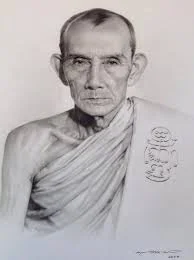
Phra Sang Nang Khang Med Pim Marathan Nur Din BE2500 Luang Phor Kuay (Lp Kuay / 龙婆贵) Wat Kositaram
| Monk | Luang Phor Kuay Wat Kositaram |
| Temple | Wat Kositaram |
| B.E. Year | 2500 |
| Material | Din |
| SKU | TAC-0163 |
Authentic Phra Sang Nang Khang Med Pim Marathan Nur Din BE2500 Luang Phor Kuay (Lp Kuay / 龙婆贵) Wat Kositaram by Luang Phor Kuay Wat Kositaram. Din.
What is the Phra Sang Nang Khang Med Pim Marathan Nur Din BE2500 Luang Phor Kuay (Lp Kuay / 龙婆贵) Wat Kositaram by Luang Phor Kuay Wat Kositaram?
The Phra Sang Nang Khang Med Pim Marathan Nur Din BE2500 Luang Phor Kuay (Lp Kuay / 龙婆贵) Wat Kositaram is a sacred clay amulet consecrated by Luang Phor Kuay Wat Kositaram at Wat Kositaram, Chainat Province, in BE 2500. Pressed from nuea din (sacred clay), it is one of the limited pieces directly blessed by LP Kuay himself.
Luang Phor Kuay and Wat Kositaram in BE 2500
Luang Phor Kuay Wat Kositaram stands among the most respected monks of 20th-century Thailand. His reputation rests on rigorous practice, deep knowledge of Wicha (esoteric Buddhist knowledge), and a long record of amulets that collectors across the region continue to track down decades later.
Wat Kositaram in Chainat Province is where LP Kuay spent much of his monastic life. By BE 2500, the temple was already producing consecration batches that drew serious attention — part of the broader Thai Buddhist amulet tradition that ties a monk’s spiritual cultivation directly to the power attributed to each piece he blesses. Amulets from this period are considered among the most significant of LP Kuay’s output.
Part of the purpose behind this batch was practical — funds raised supported temple renovations and merit-making activities at Wat Kositaram. That context matters to collectors: pieces created for temple benefit rather than commercial distribution tend to carry tighter production controls and more focused ceremonial intent.
Nuea Din, Pim Marathan, and What Went Into the Press
The nuea (material/substance) here is din — sacred clay — the foundation of the pim (the mould collectors authenticate against) called Marathan. Din pieces from LP Kuay’s BE 2500 batch were composed of clay collected from the temple grounds, blended with blessed powders carrying his spiritual energy, sacred herbs, minerals, holy water, and incense ash from rituals conducted at Wat Kositaram.
The Pim Marathan design is distinctive enough that experienced collectors can cross-reference surface detail, proportional weight, and clay texture against known reference pieces. The consecration ceremonies at Wat Kositaram included prolonged chanting of protective mantras — specifically those associated with Maha Ut (invincibility) and Klaew Klad (evasion of danger) — conducted under LP Kuay’s direct supervision.
What Collectors Look For in This Piece
Pieces from LP Kuay’s BE 2500 run were limited in quantity. That scarcity, combined with his standing and the ceremonial weight behind the batch, is why this pim continues to appear in serious collections across Singapore, Malaysia, Thailand, and Taiwan. No certificate is currently noted for this listing — buyers should factor that into authentication due diligence.
When assessing authenticity, experienced collectors focus on:
- Pim geometry: the Marathan outline, proportions, and relief depth consistent with BE 2500 reference pieces
- Nuea din surface: clay aging, natural shrinkage lines, and surface oxidation consistent with 70-plus years
- Back texture: hand-press marks and sacred texture details documented in niyom (collector-standard reference) references
- Overall weight and density: the clay blend used in this batch has a known feel that pressings from different periods do not replicate
Collectors traditionally associate this piece with protection from harm, metta maha niyom (loving-kindness and social favour), wealth attraction, and nobleman support. These associations are rooted in the Wicha LP Kuay was known to channel into his consecration work — not a claim, but the tradition that has driven demand for this batch across generations.
This Phra Sang Nang Khang Med Pim Marathan Nur Din BE2500 from Luang Phor Kuay Wat Kositaram is one of the pieces we at TAC consider worth holding — LP Kuay's BE 2500 batch is well-documented in the collector community, and the Pim Marathan in nuea din is among the more recognisable pims from Wat Kositaram's output of that period. No certificate is attached to this piece, so we recommend the product notes flag that clearly and point buyers toward the authentication points documented here.
Attributes reflect Thai Buddhist devotional tradition and are not measurable claims.