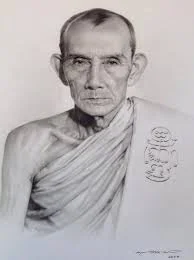
Phra Khun Paen Khi Hong Phray Nur Din BE2500 Luang Phor Kuay (Lp Kuay) Wat Kositaram
| Type | Phra Khun Paen |
| Monk | Luang Phor Kuay Wat Kositaram |
| Temple | Wat Kositaram |
| B.E. Year | 2500 |
| Material | Din |
| SKU | TAC-0180 |
Authentic Phra Khun Paen Khi Hong Phray by Luang Phor Kuay Wat Kositaram, BE 2500, nur din clay. Samakorn competition recognition.
What is the Phra Khun Paen Khi Hong Phray by Luang Phor Kuay Wat Kositaram?
The Phra Khun Paen Luang Phor Kuay Wat Kositaram in this listing is the Khi Hong Phray pim (mould variant), pressed from nuea din (sacred clay, or nur din) and consecrated at Wat Kositaram in Chai Nat during BE 2500 (CE 1957). The front shows Khun Paen astride the mythical Hong bird; the reverse carries a yant (sacred inscription) arrangement. Samakorn competition recognition accompanies the supplied image set.
Luang Phor Kuay and why BE 2500 matters to collectors
Luang Phor Kuay Wat Kositaram is remembered as a monk whose amulet work was grounded in practical ritual discipline rather than ceremony for its own sake. Devotees describe his empowerment as sincere and sustained — the kind that comes from meditative attainment, not calendar convenience. That reputation is exactly why his amulets still move at serious prices decades after his passing.
BE 2500 sits inside one of the most admired production windows of his career. Pieces from this period carry the old-school Wat Kositaram character that long-term collectors recognise immediately: stable clay body, honest mould definition, and an overall presence that later issues rarely replicate. Among the Thai Buddhist amulet tradition, few monks from Chai Nat command the same cross-border collector following that LP Kuay does.
The Khi Hong Phray pim — what makes this variant distinct
Most Khun Paen amulets show the hero seated or standing. This pim goes further: Khun Paen rides the Hong, a mythical celestial bird that in Thai iconography signals elevation, prestige, and auspicious movement. It is an unusual compositional choice, and it gives the piece an immediate visual identity that separates it from generic Khun Paen issues in any tray.
The reverse is a yant layout — ritual geometry that balances the narrative imagery on the front. Front and back work as a complete devotional object: one side tells the story, the other frames the blessing. That pairing is part of what collectors mean when they talk about a piece having niyom (collector-standard reference) character within the LP Kuay lineage.
The nuea here is nur din — a sacred clay composite. In practice that usually means a ritual mixture of selected earths, phong (sacred powder blend) from temple sources, older devotional fragments, and consecrated admixtures. Traditional references in the composition narrative include phong bailan and other temple-blessed substances. A properly aged nur din body shows dry maturity, natural pore structure, and slight surface texture variation. These qualities are what distinguish a genuine old-temple piece from later reproductions that tend to look too uniform or too fresh.
Reading the piece as a collector — authentication and what accompanies this example
When studying any LP Kuay Khun Paen from BE 2500, the clay condition is the first thing to check. You want age-consistent dryness, no signs of artificial weathering, and mould lines that still read clearly without looking machine-sharp. The Khi Hong Phray design is distinctive enough that the front composition itself functions as a cross-reference point against known study pieces.
- Nur din clay body should show dry, mature surface texture consistent with nearly seven decades of age
- Front mould: Khun Paen seated astride the Hong bird — the posture and bird form are the primary pim identifiers
- Reverse: yant arrangement — check geometry clarity and consistency against reference examples
- Samakorn competition recognition present in the supplied image set — adds presentation and study value
- No independent certificate is listed for this piece; collector due diligence applies
The Samakorn competition appearance in the image set is worth noting in practical terms. Competition-presented pieces go through scrutiny before they reach the display stage, and that recognition adds a layer of collector confidence even where a formal certificate is not attached to the piece itself.
Among Luang Phor Kuay's issues, the Khi Hong Phray phim holds a particular place in the Wat Kositaram Khun Paen lineage — the imagery of Khun Paen astride the Hong bird elevates this beyond a standard din pressing, giving it both narrative distinction and a stronger following among serious collectors of LP Kuay material. At BE2500, this piece comes from a period when the temple's sacred clay compositions and consecration standards were well established, making age and authenticity the primary considerations for anyone building a considered Khun Paen study collection. We at TAC present it with a standard certificate as a reference point, and as always encourage collectors to study the mold details and clay character alongside comparable authenticated examples from this batch.
Attributes reflect Thai Buddhist devotional tradition and are not measurable claims.