Phra Kring Chinnabanchorn Nur Samvit (Bronze) Run Khun Ngern Khun Thong BE2556 Luang Phor Khun (Lp Koon) Wat Ban Rai (with original temple box)
| Type | Phra Kring |
| Monk | Luang Phor Koon (Lp Koon) Wat Ban Rai, Nakhon Ratchasima |
| Temple | Wat Ban Rai |
| B.E. Year | 2556 |
| Material | Nur Samvit |
| SKU | TAC-0189 |
Authentic Phra Kring Chinnabanchorn Nur Samvit by Luang Phor Koon (Lp Koon) Wat Ban Rai, Nakhon Ratchasima, BE 2556.
What is the Phra Kring Chinnabanchorn Nur Samvit Run Khun Ngern Khun Thong by Luang Phor Koon (Lp Koon) Wat Ban Rai, Nakhon Ratchasima?
The Phra Kring Luang Phor Koon (Lp Koon) Wat Ban Rai, Nakhon Ratchasima — specifically the Chinnabanchorn edition pressed in nuea Samvit (bronze alloy) under the run name Khun Ngern Khun Thong — was produced at Wat Ban Rai in BE 2556. It comes with its original temple box and carries the yant Chinnabanchorn on the reverse. This is one of the later major batch releases from LP Koon’s tenure at Wat Ban Rai.
Luang Phor Koon and what this edition represents
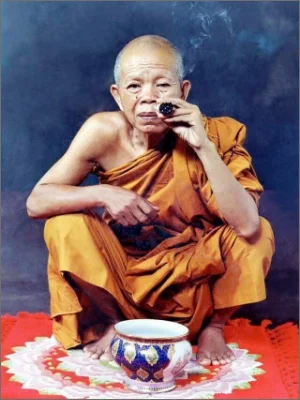
Luang Phor Koon (Lp Koon) Wat Ban Rai, Nakhon Ratchasima — full name Luang Phor Khun Parisutto — was among the most widely followed monks in modern Thai Buddhism. His reputation cut across class lines: farmers, traders, and executives alike made the trip to Nakhon Ratchasima to receive his blessing. His phrase Thuk Khon Ruan Ruay (“everyone becomes wealthy”) became shorthand for his entire character — direct, unpretentious, genuinely warm.
The run name Khun Ngern Khun Thong translates roughly as the Wealth and Prosperity Edition. It signals the intent behind this batch: proceeds funded charitable work at and around Wat Ban Rai, covering education, healthcare, and temple upkeep. LP Koon’s amulets consistently served a dual purpose — merit-making for devotees and practical community funding for the temple.
By BE 2556 (2013 CE), LP Koon was in his nineties and his health was declining. Editions released in this period carry extra weight for collectors precisely because they represent one of the final windows of his personal involvement in consecration. His direct participation in the pluk sek (consecration ceremony) for this run is documented in the original temple records, which is part of why the original temple box matters as provenance.
The nuea, the pim, and how this piece was made
Nuea Samvit — the material here — is a cast bronze alloy associated with the Phra Kring form specifically. It is chosen for durability and for its historical connection to early Thai Buddhist casting traditions. For this run, blessed metals from previous ceremonies were incorporated into the melt, a standard but meaningful practice for high-grade temple editions. The result has the weight and resonance collectors expect from a proper bronze Phra Kring.
The front face follows the classic Phra Kring pim (mould profile): the Buddha seated in a healing posture, right hand extended. The reverse carries the yant Chinnabanchorn — a sacred inscription associated with the Chinnabanchorn Gatha, Pali verses invoked for protection and the removal of obstacles. At the base sits the signature kring (the small rattling pellet sealed inside the cavity), which is the defining physical feature of any Phra Kring. A piece that does not rattle is not a Phra Kring.
The consecration at Wat Ban Rai followed full ceremonial protocol: extended Pali chanting including the Chinnabanchorn Gatha, group meditation by LP Koon and attending monks, and scheduling on an auspicious date. This is consistent with how Thai Buddhist amulet tradition has structured major temple editions for generations.
What collectors look for in this piece
Condition of the casting is the first checkpoint. Nuea Samvit from this era should show clean relief on both the Buddha image and the yant inscription — softening on the fine lines is normal with age, but the kring pellet must still rattle freely. A seized or absent kring affects both authenticity and collector grade.
- Original temple box present — this run is specifically noted as coming with it, and its absence is a flag worth querying
- Yant Chinnabanchorn on the reverse should be legible and well-struck, not smeared or off-centre
- Kring pellet audible when gently tilted — a functional rattle confirms the sealed cavity is intact
- Weight and patina consistent with cast bronze of this age (circa twelve years at time of writing)
No third-party certificate is listed for this piece. Buyers who require certified documentation should factor that into their decision or seek grading independently. The original temple box is the primary provenance item here.
We at TAC are offering this Phra Kring Chinnabanchorn in nuea Samvit from LP Koon's Khun Ngern Khun Thong run, BE 2556 — one of the later major editions released during his lifetime, with the original Wat Ban Rai temple box intact. For collectors tracking LP Koon's final active years at Wat Ban Rai, this run is well-documented and the temple box meaningfully supports authenticity in the absence of third-party certification.
Attributes reflect Thai Buddhist devotional tradition and are not measurable claims.