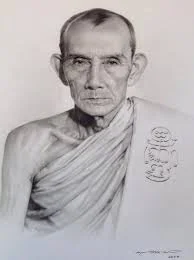
Phra Pang Ham Yati (Monday Buddha), Phra Praca Wan Phu (Wednesday Buddha) Nur Phong Namon BE2521 Wat Phra Phutthabat Consecrated by Luang Phor Kuay Wat Kositaram (Lp Kuay 龙婆贵)
| Monk | Luang Phor Kuay Wat Kositaram |
| Temple | Wat Phra Phutthabat |
| B.E. Year | 2521 |
| Material | Phong Namon |
| SKU | TAC-0191 |
Authentic Phra Pang Ham Yati (Monday Buddha), Phra Praca Wan Phu (Wednesday Buddha) Nur Phong Namon BE2521 Wat Phra Phutthabat Consecrated by Luang Phor Kuay…
What is the Phra Pang Ham Yati (Monday Buddha), Phra Praca Wan Phu (Wednesday Buddha) Nur Phong Namon BE2521 Wat Phra Phutthabat Consecrated by Luang Phor Kuay Wat Kositaram (Lp Kuay 龙婆贵) by Luang Phor Kuay Wat Kositaram?
The Phra Pang Ham Yati (Monday Buddha), Phra Praca Wan Phu (Wednesday Buddha) Nur Phong Namon BE2521 Wat Phra Phutthabat Consecrated by Luang Phor Kuay Wat Kositaram (Lp Kuay 龙婆贵) is a paired series of sacred powder amulets pressed at Wat Phra Phutthabat in Saraburi Province in BE 2521 (1978 CE). The phong namon (sacred powder blend) pim were consecrated by Luang Phor Kuay Wat Kositaram, one of the most respected guru monks of his generation, during the final years of his life.
Two postures, one consecration — what you are actually holding
This series presents two distinct Buddha postures on separate pim. The Phra Pang Ham Yati depicts the Buddha standing with the right hand raised in the Abhaya Mudra — the gesture of pacifying conflict, traditionally associated with Monday. The Phra Praca Wan Phu shows the reclining Buddha, representing the Nirvana moment and contemplative peace, linked by Thai Buddhist convention to those born on Wednesday, particularly Wednesday night births.
Both are pressed from phong namon, a muan sarn (sacred powder blend) composed of incense ash from long-term chanting sessions, crushed remnants of old votive tablets, sacred earth from temple grounds, and herbal pollen and candle wax from ceremonial use. The natural colour runs from light beige to a soft grayish tone — what you see is the unadorned powder surface, with no lacquer finish applied. The pim follow a classic rectangular votive format, generally between 2.5 and 4 cm in height depending on the mould. The reverse may carry a temple stamp or a plain backing. Both are consistent with what the Thai Buddhist amulet tradition defines as high-grade phong production from a royal-status temple.
Wat Phra Phutthabat and why this batch carries weight
Wat Phra Phutthabat is a royal temple built in the early 17th century during the reign of King Songtham, constructed to enshrine a sacred Buddha footprint discovered on a hill in Saraburi. That footprint remains one of the most visited pilgrimage sites in Central Thailand. Amulets issued from this temple carry the compound prestige of royal patronage and a living relic site — two factors collectors factor into long-term value.
The BE 2521 series was initiated to commemorate the sacred relics housed at the temple and to distribute devotional objects representing the Buddha for each day of the week. That the temple chose Luang Phor Kuay Wat Kositaram to lead the pluk sek (consecration ceremony) signals how seriously this batch was treated. LP Kuay — full ecclesiastical title Phra Kru Wibunpatamakun (Luang Phor Kuay Chudtintaro), born 1905, passed 1979 — was abbot of Wat Kositaram in Chainat Province and a practitioner of deep samatha meditation and Wicha (Thai spiritual science). He blessed amulets associated with metta (loving-kindness), protection, and klaew klaad (avoidance of danger). His passing came in BE 2522, just one year after this consecration, making BE 2521 among the last batches he personally blessed.
What collectors look for and how this piece is positioned
Authentication for phong namon pieces from this period centres on a few concrete points:
- Surface texture and powder density consistent with aged phong namon — not too smooth, not granular; genuine pieces show natural micro-cracking over decades
- Colour in the expected light beige to grayish range without signs of artificial staining or repainting
- Pim sharpness — the standing and reclining postures should show clean mould definition with period-appropriate wear
- Reverse face — check for the presence or absence of a temple stamp and compare against documented reference pieces from this series
- Provenance documentation, where available, adds measurable value in the collector market
Collectors who focus on LP Kuay’s consecrated pieces regard the BE 2521 window as significant precisely because supply is finite — he passed the following year. The dual connection to both a relic temple of royal standing and a guru monk of LP Kuay’s calibre puts this series in a category that draws interest from collectors across Thailand, Singapore, Malaysia, and the Chinese-speaking markets. No certificate is listed with this piece; buyers should factor that into their assessment.
We at TAC are offering this BE 2521 phong namon pair from Wat Phra Phutthabat — consecrated by LP Kuay just one year before his passing, which makes this among the last batches he personally blessed. For collectors focused on LP Kuay's lineage or on Wat Phra Phutthabat relic-temple issues, the BE 2521 window is a finite category — supply does not grow, and the dual temple-and-monk provenance here is genuinely difficult to replicate in other pieces at this price point.
Attributes reflect Thai Buddhist devotional tradition and are not measurable claims.