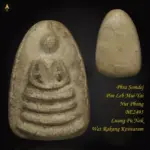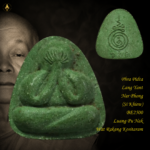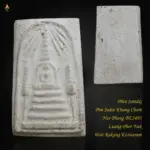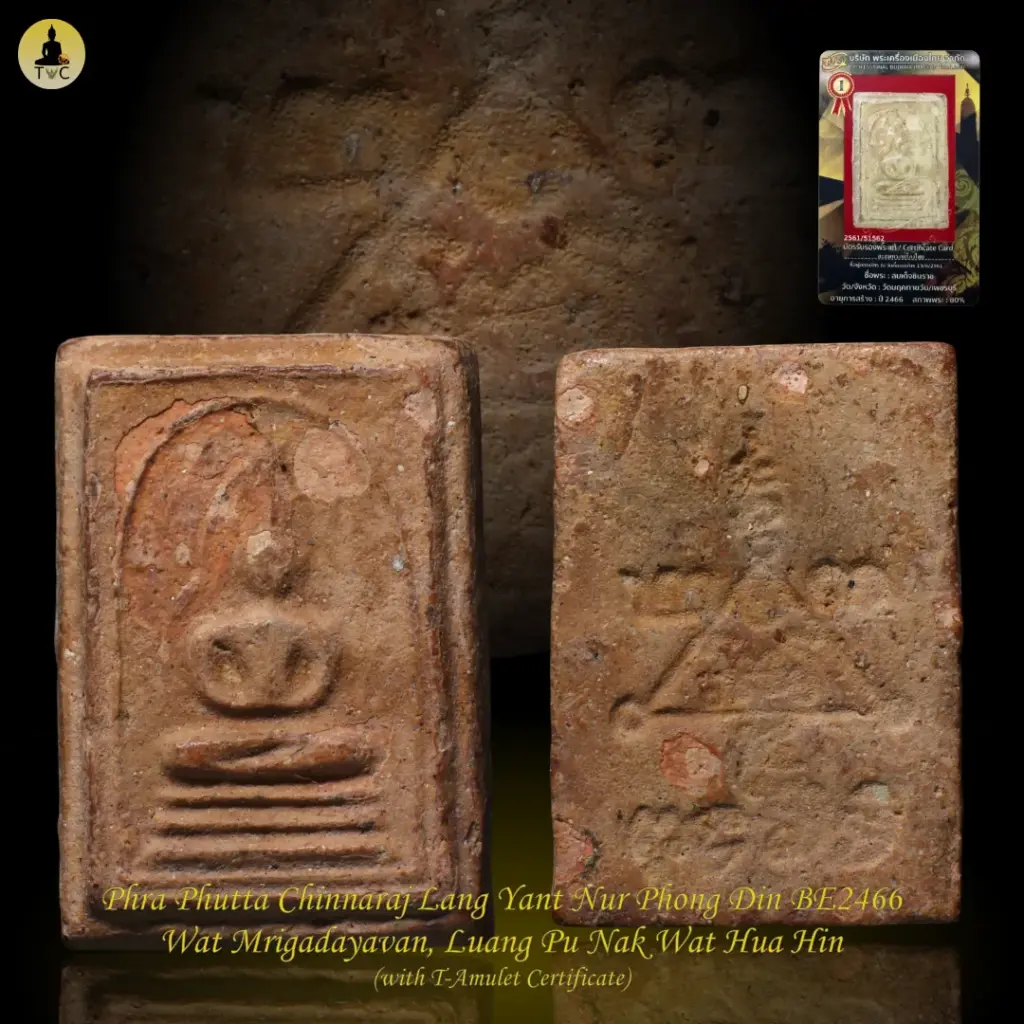
Phra Phutta Chinnaraj Lang Yant Nur Phong Din BE2466 Wat Mrigadayavan, Luang Pu Nak Wat Hua Hin
| Monk | Luang Pu Nak Wat Rakang Kositaram |
| Temple | Wat Mrigadayavan |
| B.E. Year | 2466 |
| Material | Nur Phong Din |
| Condition | Fair |
| Certificate | Others |
| SKU | TAC-0202 |
Authentic Phra Phutta Chinnaraj Lang Yant Nur Phong Din BE2466 Wat Mrigadayavan, Luang Pu Nak Wat Hua Hin by Luang Pu Nak Wat Rakang Kositaram. Nur Phong Din.
What is the Phra Phutta Chinnaraj Lang Yant Nur Phong Din BE2466 Wat Mrigadayavan, Luang Pu Nak Wat Hua Hin by Luang Pu Nak Wat Rakang Kositaram?
The Phra Phutta Chinnaraj Lang Yant Nur Phong Din BE2466 Wat Mrigadayavan, Luang Pu Nak Wat Hua Hin by Luang Pu Nak Wat Rakang Kositaram is a sacred powder amulet dated BE2466, pressed in nuea phong din (earth-based sacred powder) and associated with Wat Mrigadayavan near Hua Hin. The front carries the Phra Phutta Chinnaraj image; the reverse bears a yant. Certified Others.
Luang Pu Nak and the Wat Mrigadayavan Connection
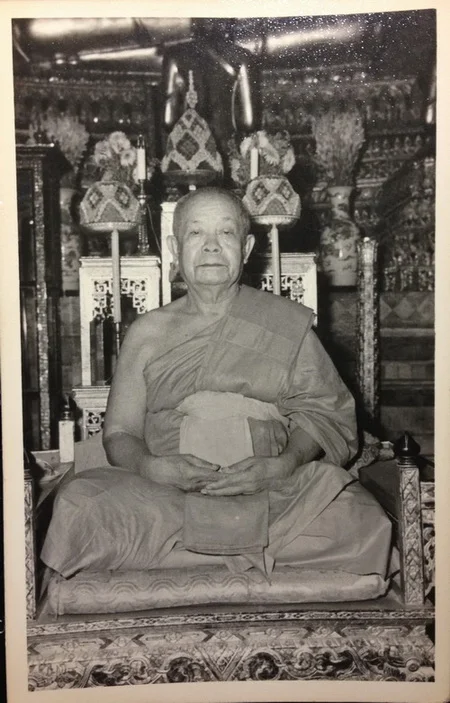
Luang Pu Nak Wat Rakang Kositaram — known in records as Phra Kru Viriyathikari, ordained name Punnyanako — was born in 1877 with roots in Phetchaburi. He trained in scriptures and Pali from a young age, and his teachers placed him in a strong lineage of masters. Elders describe him consistently as calm, composed, and few-spoken, with a Vipassanā practice grounded in traditional occult sciences.
Wat Mrigadayavan sits beside Wang Klai Kangwon Palace, the summer residence built during the reign of King Rama VI. When the king stayed there, he invited capable monks to deliver sermons and lead Dhamma discussions. Luang Pu Nak — then serving as abbot before his later move to Wat Hua Hin — was among those monks. His reputation for disciplined conduct and command of spiritual craft earned him deep respect across Phetchaburi Province and the wider region.
He passed away at 3:53 PM on July 24, 1934. His cremation was held on March 17, 1935. That arc — from provincial Phetchaburi origins through the royal-seaside religious world to a widely respected passing — is what gives pieces associated with this lineage their collector weight.
The Making of This Piece: Nuea, Pim, and the Yant Reverse
Around 1919, during the reign of King Rama VI, Luang Pu Nak was appointed chief officiant for the creation of the Phra Somdej Mrugadayavan amulet — rectangular, sacred-powder based, and closely modelled on the style of Phra Somdej Wat Rakang associated with Somdej Phra Phutthacharn (To Phromrangsi). The primary material was finely crushed seashell lime blended with Trinisinhe powder, a substance used in Phra Somdej creation since the era of Somdej Phra Sangkharaj (Suk Kai Thuean). These were bound with tung oil and linseed oil.
The seashell lime absorbs the oil and gives the surface a soft, moist quality. The Trinisinhe powder does not absorb — it sits as pale yellow specks embedded in the face, a texture old masters compared to peanut brittle. Because of this composition, some early teachers called it “Phra Phong Nam Man,” or oil-infused powder amulet, and regarded it as a forerunner of all later oil-based powder work. The broader Thai Buddhist amulet tradition has long treated nuea (the material/substance) as inseparable from authentication — and this piece is no different.
The Phra Phutta Chinnaraj Lang Yant Nur Phong Din BE2466 Wat Mrigadayavan, Luang Pu Nak Wat Hua Hin by Luang Pu Nak Wat Rakang Kositaram presents the Chinnaraj image on the front and a yant — a sacred inscription — on the reverse. That pairing is deliberate: the front is devotional, the back is purposeful. Phong din (earth-based sacred powder) gives this particular pim (mould type) a matte, grained surface that reads clearly under close inspection and behaves differently from later synthetic pressed pieces.
What Collectors Examine and How This Piece Is Certified
Powder pieces from this era demand careful handling. The surface carries the age. Do not scrub the face or yant side, keep it dry, and store it in a clean pouch away from heat and humidity. These are not cosmetic instructions — the surface character is part of what collectors authenticate against.
The Mrugadayavan amulets appear in several colour variations: white, black, red, yellow, and orange. The white variety — sometimes described as bone-like — has long been considered the hardest to replicate convincingly. Even so, authentic pieces across all colours share identifiable features:
- Mould structure and pim consistency, front and back
- Edge finishing — how the compressed powder meets the perimeter
- Naturally aged dried-oil texture on the surface, with visible Trinisinhe specking
- Yant line confidence and continuity on the reverse
This piece carries an Others certificate. Treat it as a documentation anchor alongside clear front-and-back photography. Together — certificate, surface observation, and pim reference — these form the verification set a serious collector would keep on file.
We at TAC are offering this Phra Phutta Chinnaraj Lang Yant Nur Phong Din BE2466 Wat Mrigadayavan, Luang Pu Nak Wat Hua Hin — a phong din piece tied to one of the more carefully documented lineages from the royal-seaside Hua Hin period. The early BE2466 dating combined with the Luang Pu Nak association makes this a meaningful addition for collectors who prioritise lineage context and proper documentation over decorative appeal.
Attributes reflect Thai Buddhist devotional tradition and are not measurable claims.