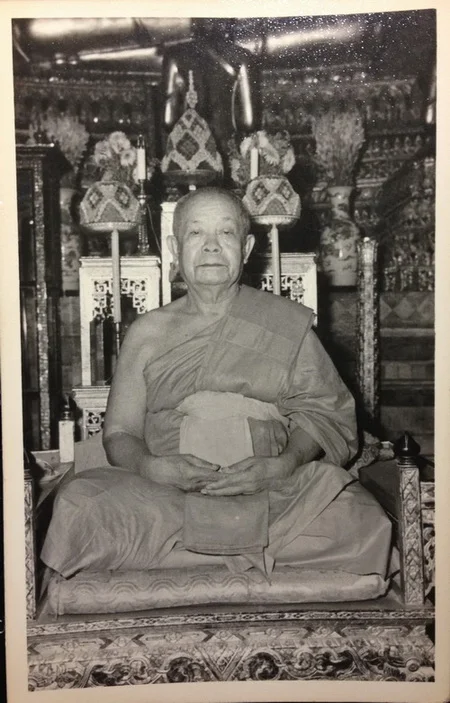
Luang Pu Nak Wat Rakang Kositaram
Luang Pu Nak Wat Rakang Kositaram, Bangkok • B.E. 2427 – B.E. 2514 Early Life and Ordination Luang Pu Nak of Wat Rakang Kositaram, born on August 1, B.E. 2427 (1884) in Nakhon Ratchasima Province, was the son of Mr. Pom and Mrs. Suan Marurngsit. From a young age, he displayed discipline, intellect, and compassion. ... Read more ↓
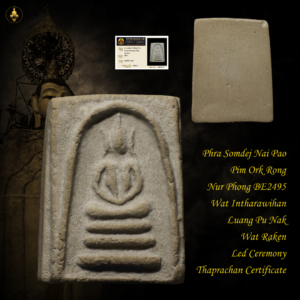
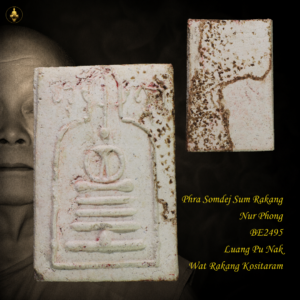
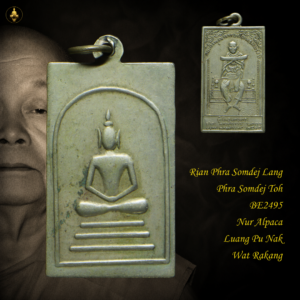
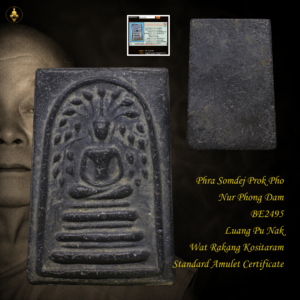
Amulets by Luang Pu Nak Wat Rakang Kositaram 51 total · 29 available
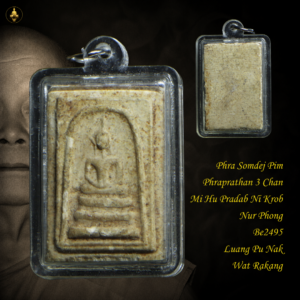
![[SOLD] Phra Somdej 9 Chan Fang Tarkut Pim Yai Nur Phong BE2495 Luang Pu Nak Wat Rakang](https://tac-media.sgp1.digitaloceanspaces.com/2026/08/Phra-Somdej-9-Chan-Fang-1-Tarkut-Nur-Phong-BE2495-Luang-Pu-Nak-Wat-Rakang-Kositaram-Standard-Amulet-Certificate-300x300.png)
Biography
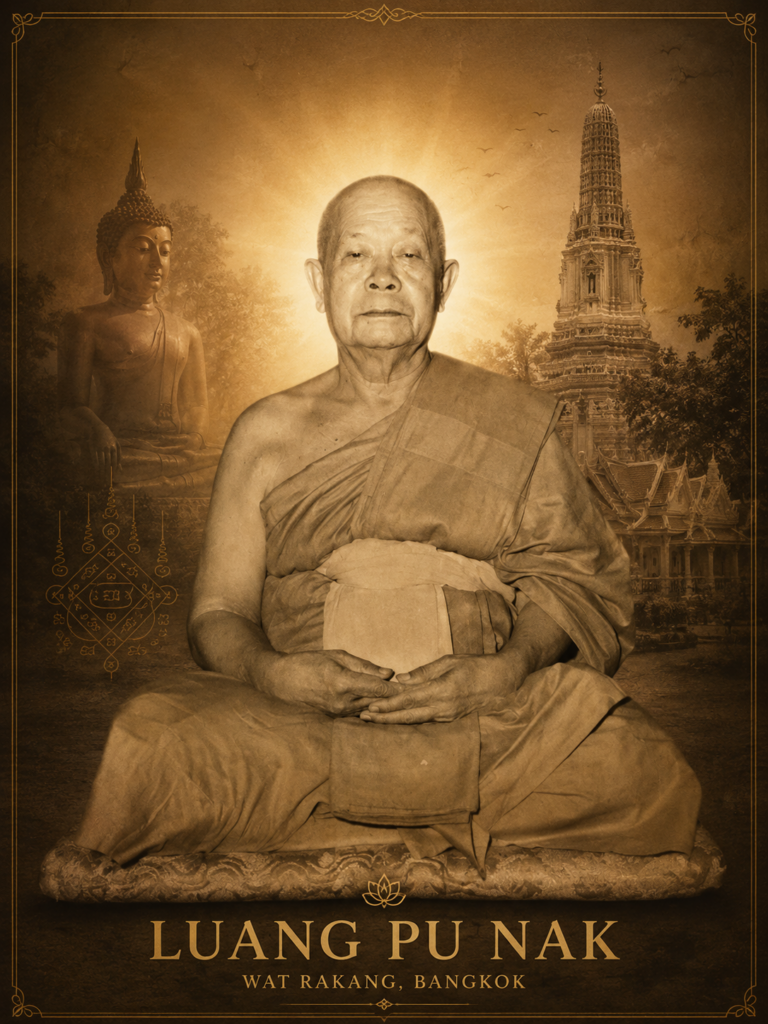
Luang Pu Nak Wat Rakang Kositaram, Bangkok • B.E. 2427 – B.E. 2514
Early Life and Ordination
Luang Pu Nak of Wat Rakang Kositaram, born on August 1, B.E. 2427 (1884) in Nakhon Ratchasima Province, was the son of Mr. Pom and Mrs. Suan Marurngsit. From a young age, he displayed discipline, intellect, and compassion. He first ordained as a novice at Wat Bung in his hometown.
At the age of 21, in B.E. 2448, he entered full ordination as a Buddhist monk at Wat Rakang Kositaram, Bangkok, where he would remain for the rest of his long and purposeful life.
Preserving What Others Discarded
During his early years at Wat Rakang, Luang Pu Nak grew deeply concerned by a prevailing misconception among Thai Buddhists — that damaged or broken sacred objects, such as Phra Somdej, shrines, or bowls, were no longer auspicious and should not be kept at home. Consequently, many lay devotees returned these objects to the temples, where they were often discarded or forgotten.
Saddened by this loss, Luang Pu Nak began collecting the fragments, shards, and remnants of old amulets, protecting them as part of Buddhist heritage. He believed that the blessings within these relics remained intact regardless of physical damage, and that their sanctity endured through time.
Over the years, he gathered countless pieces of ancient sacred materials, including:
- Powders from Phra Somdej amulets
- Remnants of temple relics
- Fragments of amulets created by earlier great masters
Out of reverence for the Buddha and for his predecessors, he carefully preserved these materials, intending that none should go to waste.
Spiritual Lineage and the Legacy of Somdej Toh
Guided by deep respect for Somdej Phra Buddhacharn (Toh Prommarangsi), the great patriarch of Wat Rakang Kositaram, Luang Pu Nak eventually began recasting new amulets using these accumulated sacred remnants. Although he was born after Somdej Toh’s passing, he is regarded as a spiritual successor — having studied Somdej Toh’s ancient manuscripts and incantations related to the creation and consecration of Phra Somdej. Through text, faith, and sustained practice, he became a recognised inheritor of that sacred lineage.
The Phra Somdej Wat Rakang Series (B.E. 2485–2495)
Between B.E. 2485 and B.E. 2495, Luang Pu Nak produced several batches of Phra Somdej Wat Rakang amulets using the collected fragments of holy materials. These amulets are widely recognised for their efficacy across three principal qualities:
- Metta — loving-kindness and goodwill
- Klaew Klaad — protection from danger
- Chok Larp — prosperity and good fortune
Demand spread throughout Thailand and abroad, drawing both faithful devotees and serious collectors. Many have compared the spiritual potency of his amulets to those of Somdej Toh himself.
Character and Spiritual Presence
Luang Pu Nak was known not for grandeur but for quiet mastery. During consecration ceremonies, witnesses reported a cold, bright aura emanating from his body, enveloping the amulets before him — widely interpreted as a sign of profound concentration and spiritual power.
His humility, discipline, and gentle wisdom placed him among the most respected Buddhist masters of the post–World War II era, alongside contemporaries such as Luang Phor Chong of Wat Natang Nok and Luang Phor Jaad of Wat Bang Krabao.
Passing and Enduring Legacy
On January 15, B.E. 2514 (1971), at the age of 87, Luang Pu Nak passed away peacefully at Siriraj Hospital in Bangkok. His 66-year monastic career left an indelible mark on Thai Buddhism.
Today, his Phra Somdej Wat Rakang (B.E. 2485–2495) series remains among the most sought-after amulets in Thailand — revered for both their beauty and sacred power, and for the vision of a monk who turned loss into renewal, preserving a sacred legacy for generations to come.
Explore more from Thai Amulets Collection: browse all amulets, monk biographies, or discover katha sacred chants.
For broader context on Thai Buddhist traditions, see Thai amulets on Wikipedia.
Frequently Asked Questions
Who was Luang Pu Nak of Wat Rakang Kositaram?
Luang Pu Nak was a Thai Buddhist monk born on August 1, B.E. 2427 (1884) in Nakhon Ratchasima Province. He ordained at Wat Rakang Kositaram in Bangkok in B.E. 2448 and spent his entire 66-year monastic career there until his passing on January 15, B.E. 2514 (1971).
Why did Luang Pu Nak collect broken or damaged amulets?
He believed that the sacred blessings within amulets and relics remained intact regardless of physical damage. At the time, many Thai Buddhists considered broken sacred objects inauspicious and returned them to temples, where they were often discarded. Luang Pu Nak collected these fragments to preserve them as part of Buddhist heritage and later recast them into new amulets.
What is the connection between Luang Pu Nak and Somdej Toh?
Although Luang Pu Nak was born after the passing of Somdej Phra Buddhacharn (Toh Prommarangsi), he studied Somdej Toh’s ancient manuscripts and incantations related to the creation and consecration of Phra Somdej amulets. Through this study and practice, he is regarded as a spiritual successor within that sacred lineage at Wat Rakang Kositaram.
When were Luang Pu Nak’s Phra Somdej Wat Rakang amulets produced?
Luang Pu Nak produced several batches of Phra Somdej Wat Rakang amulets between B.E. 2485 and B.E. 2495, using sacred materials and fragments he had collected over many decades.
What are the reputed qualities of Luang Pu Nak’s Phra Somdej amulets?
His Phra Somdej Wat Rakang amulets are revered for three principal qualities: Metta (loving-kindness), Klaew Klaad (protection from danger), and Chok Larp (prosperity and good fortune).
Where did Luang Pu Nak first ordain as a novice?
Luang Pu Nak first ordained as a novice at Wat Bung in his hometown of Nakhon Ratchasima Province, before entering full ordination as a Buddhist monk at Wat Rakang Kositaram in Bangkok in B.E. 2448.