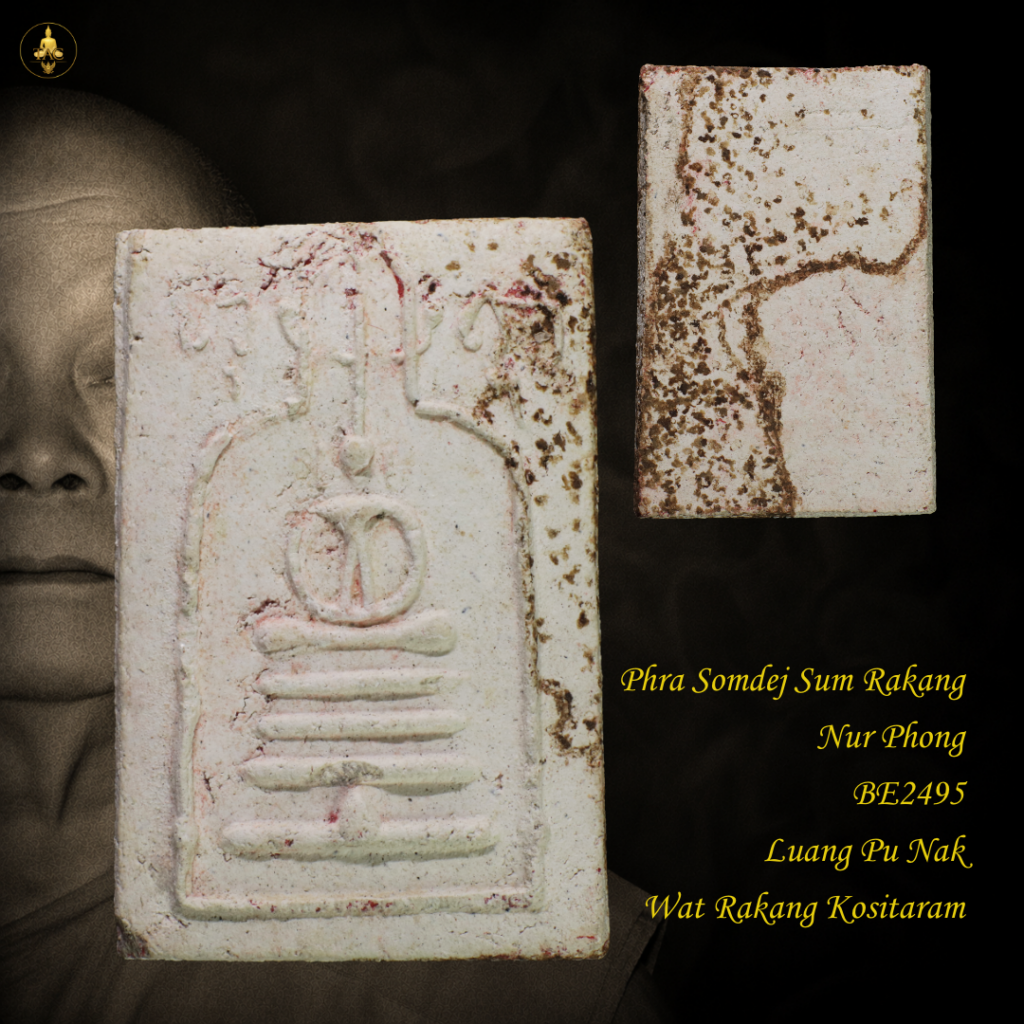
Phra Somdej Sum Rakang Pim Yai Nur Phong BE2495 Luang Pu Nak Wat Rakang
| Type | Phra Somdej |
| Monk | Luang Pu Nak Wat Rakang Kositaram |
| Temple | Wat Rakang |
| B.E. Year | 2495 |
| Pim / Mold | Sum Rakang |
| Condition | Good |
| SKU | TAC-0257 |
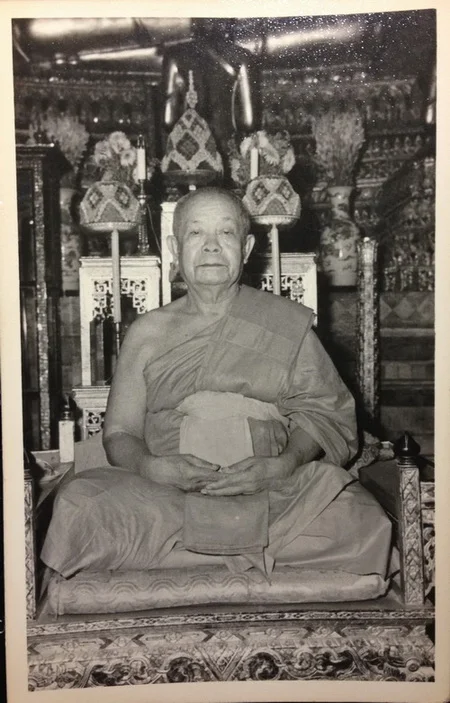
The Phra Somdej Luang Pu Nak Wat Rakang Kositaram in Sum Rakang (ซุ้มระฆัง) Pim Yai (พิมพ์ใหญ่) format, dated BE 2495, is among the more culturally grou…
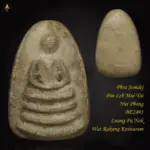
The Phra Somdej Luang Pu Nak Wat Rakang Kositaram in Sum Rakang (ซุ้มระฆัง) Pim Yai (พิมพ์ใหญ่) format, dated BE 2495, is among the more culturally grounded Somdej pieces sought by collectors across Singapore, Malaysia, and the broader Chinese-speaking collector community. This amulet carries the primary spiritual reputation of metta (เมตตา) and steady personal protection in daily life.
Within Singapore and Malaysia collector circles, a Somdej bearing the Wat Rakang lineage attribution is regarded as a foundation piece — calm and culturally recognisable rather than ostentatious. The Sum Rakang bell-arch silhouette frames the seated Buddha image in a composed, sheltered geometry that has defined the Wat Rakang visual language for generations.
The BE 2495 dating places this piece in a period of active amulet production at Wat Rakang Kositaram, Bangkok. In collector practice, the attribution to Luang Pu Nak Wat Rakang Kositaram is treated as a documented listing claim, meaning the physical amulet — its mould reading (พิมพ์) and material character (เนื้อ) — remains the primary basis for evaluation alongside the stated lineage.
Phra Somdej and Wat Rakang Heritage
Wat Rakang Kositaram stands at the centre of Somdej amulet culture in Thailand. When experienced collectors reference a “Somdej standard,” they are typically describing the clean, symmetrical Buddhist geometry and devotional restraint that the Wat Rakang tradition has consistently produced across multiple generations of master monks.
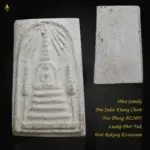
The Sum Rakang format — named for its distinctive bell-arch (ซุ้มระฆัง) frame — is one of the most recognisable silhouettes within the broader Wat Rakang Somdej family. The arch creates a contained, protective visual field around the Buddha image, lending the piece a sense of settled completeness that wearers and devotees associate with calm, grounded energy.
The wider tradition of venerating sacred amulets as both devotional objects and protective talismans draws on centuries of Theravada ritual and merit-making culture. Collectors and scholars alike situate the Wat Rakang Somdej within this long-standing Thai Buddhist amulet tradition as one of its most enduring and studied expressions.
Nur Phong (เนื้อผง) Phra Somdej — Composition and Craftsmanship
This Phra Somdej Luang Pu Nak Wat Rakang Kositaram is composed in Nur Phong style (เนื้อผง) — a powder-based medium historically associated with the Somdej category and considered appropriate for the classical Wat Rakang format. Powder Somdej pieces are typically pressed from a blend of sacred powders that may include pong wit (วิเศษผง), dried floral components, and other consecrated materials, bound together and pressed into the mould.
The Pim Yai (พิมพ์ใหญ่) mould used for this piece produces a fuller, more substantial form in the hand. The Buddha image sits within the Sum Rakang arch with balanced proportions — a centred figure, a measured base, and an overall composition that collectors read as a unified, harmonious whole (ดูทรงรวม) rather than any single distinguishing line.
Older Nur Phong pieces are appreciated for how their surface matures over time. Naturally aged powder Somdej develops a matte, settled surface (ความเก่าแบบธรรมชาติ), with gentle ageing differences in edges and recesses — not forced contrast — considered markers of authentic material character in collector assessment.
Spiritual Benefits of Phra Somdej by Luang Pu Nak Wat Rakang Kositaram
In Thai amulet tradition, the Phra Somdej Luang Pu Nak Wat Rakang Kositaram is broadly associated with metta (เมตตา), protection (คุ้มครอง), and a stabilising quality that supports daily life across work, social, and personal environments. Within the specific devotional context of the Wat Rakang lineage, steady presence and mindful conduct are emphasised alongside material and social well-being.
Devotees commonly wear this category of Somdej when seeking calm, composed energy — particularly in professional settings, meetings, and everyday movement. The amulet serves as a quiet reminder of Buddhist practice: keeping precepts, maintaining kindness, and carrying a firm but gentle presence.
- Metta (เมตตา): worn to soften social interactions, improve ease in relationships, and reduce unnecessary friction in day-to-day encounters.
- Protection (คุ้มครอง / แคล้วคลาด): traditionally associated with safe passage, steadiness during travel, and a protective field in daily movement.
- Business and wealth support: good business, wealth, and luck are cited as key spiritual focuses, consistent with how Somdej pieces are worn in commercial and professional environments across Singapore and Malaysia.
Phra Somdej BE 2495 — Authentication and Collector Value
This piece is presented without an external certification document in the current listing. In the absence of a formal certificate from a recognised Thai amulet authentication body, the standard collector approach is to evaluate the amulet on the basis of its physical reading: mould accuracy (พิมพ์), powder material character (เนื้อ), and natural surface ageing consistent with a BE 2495 production date.
For Somdej pieces in the Wat Rakang family, collector interest derives from two primary factors: how convincing the pim reading is against known reference examples, and whether the Nur Phong material displays naturally matured characteristics rather than artificially processed surfaces. A clean, well-proportioned Sum Rakang Pim Yai that reads consistently across front, back, and edge views occupies a stable position in the core-collection category.
Rarity for this listing is best understood as market rarity by encounter — the frequency with which comparable, well-preserved Sum Rakang Pim Yai examples attributed to the BE 2495 period appear in active circulation. Such pieces are not commonly encountered in this condition, which sustains collector interest across Singapore, Malaysia, Hong Kong, Taiwan, and China.
Attributes reflect Thai Buddhist devotional tradition and are not measurable claims.