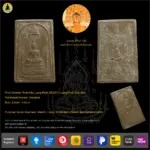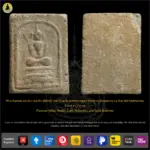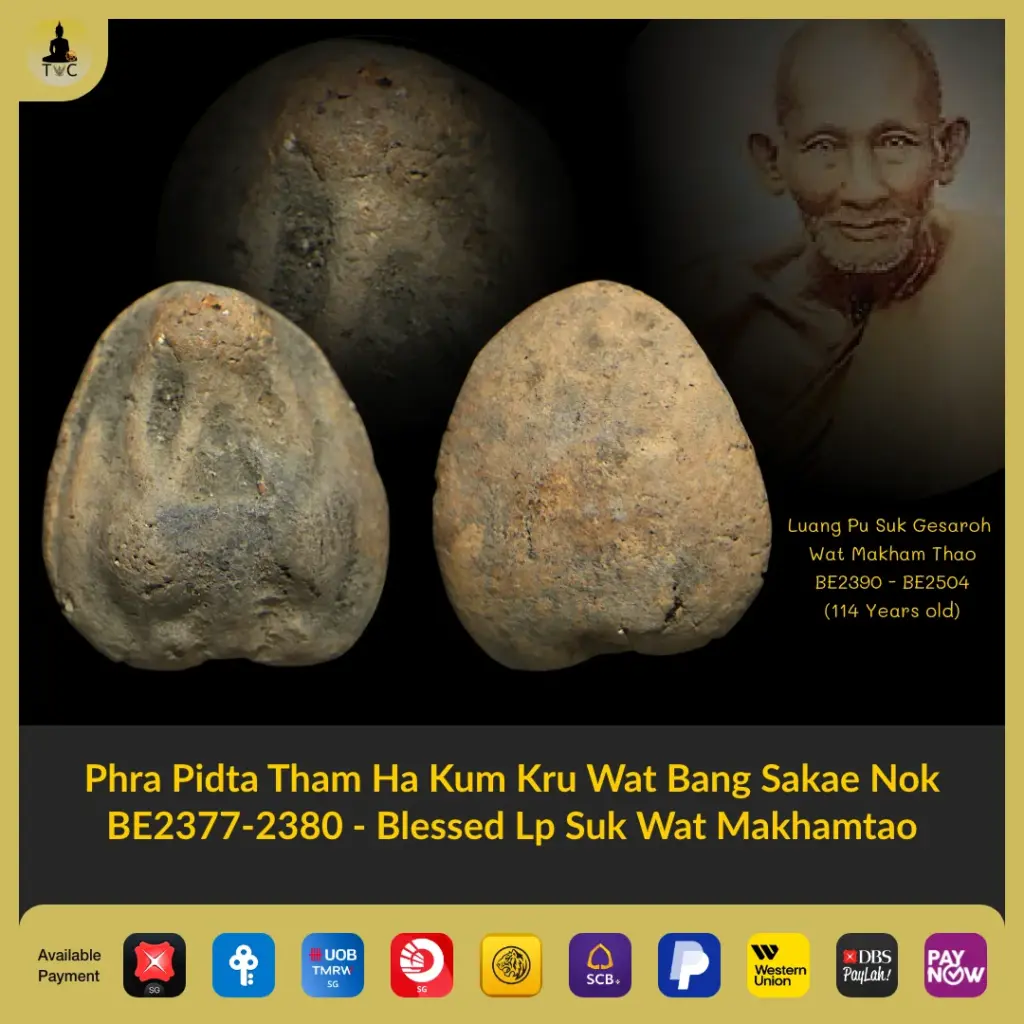
Phra Pidta Tham Ha Kum Kru Wat Bang Sakae Nok BE2377-2380 Lp Suk Wat Makhamtao
| Type | Phra Pidta |
| Monk | Luang Phor Suk |
| Temple | Wat Bang Sakae Nok |
| B.E. Year | 2377 |
| SKU | TAC-0293 |
Authentic Phra Pidta Luang Phor Suk, Tham Ha Kum Kru from Wat Bang Sakae Nok BE2377–2380. Phong Itthi nuea, kru-recovered. Singapore dealer, TAC since 2015.
What is the Phra Pidta Tham Ha Kum Kru from Wat Bang Sakae Nok?
The Phra Pidta Luang Phor Suk known as Tham Ha Kum Kru was created at Wat Bang Sakae Nok in Suphanburi between BE 2377 and BE 2380. Pressed from Phong Itthi — a muan sarn (sacred powder blend) incorporating bailan powder, relic soil, herbal powders, incense ash, and possibly bone ash from Tham Ha Kum cave — pieces from this batch were later blessed by Luang Phor Suk of Wat Makhamtao.
Where this piece sits in early Rattanakosin amulet history
Suphanburi in the early Rattanakosin period was home to a quiet but serious tradition of forest monks and meditation masters who made amulets not for the market but for the temple and its community. Wat Bang Sakae Nok was one such centre. The batch that became known as Tham Ha Kum Kru was pressed in limited numbers, then interred in a kru (temple crypt) near Tham Ha Kum cave — which is where most surviving pieces were eventually recovered.
Nearly two hundred years of resting in that environment left its mark on the nuea (material/substance). Mineral traces and natural patina are part of what authenticators look at today. You can learn more about how burial conditions shape a piece’s surface within the broader Thai Buddhist amulet tradition.
What elevated this batch beyond other early Rattanakosin phong pieces was the involvement of Luang Phor Suk. He was among the most respected monks of his era, and his blessing of these amulets — already aged and charged from their time in the kru — is the detail that collectors have cited for generations when explaining why this run carries such weight.
The nuea and what the pim shows
The muan sarn here is documented as Phong Itthi, a blend built around bailan powder — that is, ash from palm-leaf manuscripts inscribed with scripture and then ceremonially burnt. To that base the makers added sacred relic soil, herbal powders gathered from holy sites, and incense and ritual ashes from major ceremonies. The original content also notes the possible inclusion of bone ash and relic dust sourced from Tham Ha Kum cave itself, which would have been consistent with how senior monks in that region composed their powder blends.
The pim (mould collectors authenticate against) presents the classic closed-eye Buddha posture — hands covering the face, body compact. On the rear surface the powder texture is visible and is itself an authentication point. Pieces that have spent time in a kru typically show particular mineral absorption patterns across that texture, and that is one of the first things a knowledgeable collector checks.
- Nuea: Phong Itthi — bailan powder base with relic soil, herbal powders, incense ash, and possibly bone ash from Tham Ha Kum cave
- Pim: closed-eye Phra Pidta posture, hands covering face
- Surface condition: kru-recovered pieces carry natural mineral patina consistent with burial in the Tham Ha Kum chamber
- Blessing: consecrated and empowered by Luang Phor Suk of Wat Makhamtao
No certificate is listed for this piece. Buyers should factor that into their assessment. The physical evidence — pim, nuea texture, patina, and provenance through known collections — carries the authentication weight here.
What collectors look for and how value is set
Age alone does not make a piece valuable in the Thai amulet market. What makes the Tham Ha Kum Kru batch stand out is the combination: early Rattanakosin origin, a documented Phong Itthi muan sarn, kru provenance, and direct association with Luang Phor Suk’s blessing. Those four factors together are rare in a single piece.
Most surviving examples have passed through private hands since excavation, so condition varies. Collectors prioritise pieces where the pim is still sharp enough to read clearly and where the powder surface shows consistent, undisturbed patina rather than cleaning or restoration. A piece with intact kru patina and a clear pim reading commands noticeably stronger interest among niyom (collector-standard reference) circles.
We at TAC consider this one of the more historically significant pieces in our current inventory — a kru-recovered Phra Pidta from Wat Bang Sakae Nok pressed in Phong Itthi nuea and blessed by Luang Phor Suk, dating to BE 2377–2380. The age, the documented muan sarn composition, and the Luang Phor Suk connection make this a serious piece for a collector focused on early Rattanakosin material.
Attributes reflect Thai Buddhist devotional tradition and are not measurable claims.