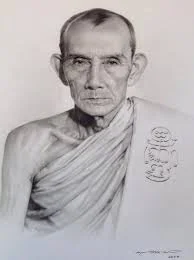
Phra Somdej 9 Chan Pim Yai Nur Phong Namon BE2515 Luang Phor Kuay (Lp Kuay) Wat Kositaram
| Type | Phra Somdej |
| Monk | Luang Phor Kuay Wat Kositaram |
| Temple | Wat Kositaram |
| B.E. Year | 2515 |
| Material | Phong Namon |
| SKU | TAC-0296 |
Authentic Phra Somdej Luang Phor Kuay Wat Kositaram BE 2515, Pim Yai 9 Chan with Lang Yant reverse. Pressed from Phong Namon. Available from TAC Singapore.
What is the Phra Somdej Luang Phor Kuay Wat Kositaram BE 2515?
The Phra Somdej Luang Phor Kuay Wat Kositaram BE 2515 is a large-mould, nine-tiered Phra Somdej pressed from Phong Namon — a sacred powder blend — by the highly regarded monk Luang Phor Kuay of Wat Kositaram. Consecrated in BE 2515, it measures approximately 3.5–4.0 cm and carries a Lang Yant reverse face.
Who was Luang Phor Kuay, and why does his name carry weight among collectors?
Luang Phor Kuay Wat Kositaram is one of the more seriously followed monks in the central Thai amulet tradition. His reputation among collectors rests on decades of strict practice and his consistent involvement in the production and consecration of amulets at Wat Kositaram. Pieces tied directly to his hand are not common, and that scarcity shapes how the market treats them.
The Thai Buddhist amulet tradition places heavy importance on the monk behind a piece — his lineage, his conduct, and his role in the pluk sek (consecration ceremony). With Luang Phor Kuay, collectors point to all three as reasons to pay attention to his editions. This particular piece from BE 2515 sits squarely within that serious output.
The pim, the nuea, and what makes this edition specific
This is the Pim Yai — the large mould — pressed in a nine-tiered (9 Chan) format, which is the classic Phra Somdej silhouette: the seated Buddha figure rising through stacked tiers on the front face. The reverse carries a Lang Yant, a sacred inscription pressed directly into the body of the amulet. Both details are authentication points collectors check first.
The nuea (material/substance) here is Phong Namon, a muan sarn (sacred powder blend) base. Phong Namon is valued for its texture and the way it ages — collectors familiar with Luang Phor Kuay’s output will know what the surface should look and feel like on a genuine piece of this age. A BE 2515 piece is now over fifty years old, and the natural aging of the phong is one of the clearest markers experts look at when assessing authenticity.
- Front face: nine-tiered (9 Chan) seated Buddha, Pim Yai mould
- Reverse: Lang Yant sacred inscription
- Nuea: Phong Namon powder base
- Size: approximately 3.5–4.0 cm
- Year: BE 2515
What a collector should know before acquiring this piece
Age-related surface characteristics on Phong Namon pieces like this one are the first thing any experienced collector examines. At over five decades old, the powder should show consistent, natural aging throughout — not just on exposed edges. The Lang Yant on the reverse needs to be sharp and correctly formed; a blurred or asymmetrical yant is a common flag on copies.
No certificate accompanies this piece as listed. For a collector coming to Luang Phor Kuay material for the first time, that means relying on physical authentication against established niyom (collector-standard reference pieces) or having the piece assessed by someone with direct experience of this edition. The size specification — 3.5 to 4.0 cm — is consistent with the Pim Yai standard for this run, and staying within that range is another basic check.
We at TAC are offering this Phra Somdej Luang Phor Kuay Wat Kositaram BE 2515 in the Pim Yai mould, pressed from Phong Namon with a Lang Yant reverse — a combination that collectors of Luang Phor Kuay's output will recognise immediately. At over fifty years old, a well-preserved example from this edition is genuinely hard to source, and that's the honest reason this piece belongs in the listing.
Attributes reflect Thai Buddhist devotional tradition and are not measurable claims.