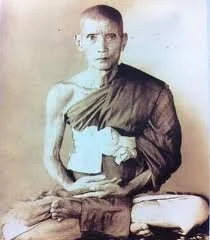
Mae Nang Kwak Nur Phong BE2508 Luang Pu Tee Wat Tha Makrut, Luang Phor Mui Wat Don Rai Co-Consecrated
| Monk | Luang Phor Mui Wat Don Rai |
| Temple | Wat Tha Makrut |
| B.E. Year | 2508 |
| Material | Phong |
| SKU | TAC-0747 |
Authentic Mae Nang Kwak Nur Phong BE2508 Luang Pu Tee Wat Tha Makrut, Luang Phor Mui Wat Don Rai Co-Consecrated by Luang Phor Mui Wat Don Rai.
What is the Mae Nang Kwak Nur Phong BE2508 Luang Pu Tee Wat Tha Makrut, Luang Phor Mui Wat Don Rai Co-Consecrated by Luang Phor Mui Wat Don Rai?
The Mae Nang Kwak Nur Phong BE2508 Luang Pu Tee Wat Tha Makrut, Luang Phor Mui Wat Don Rai Co-Consecrated is a sacred powder amulet created in BE 2508 (1965 CE) by Luang Pu Tee Chanthammo at Wat Tha Makrut, Suphan Buri Province. The phutthaphisek (consecration ceremony) was co-conducted by Luang Phor Mui Wat Don Rai, Luang Pu Tee’s own senior teacher and mentor.
Two Masters Behind One Edition
Luang Pu Tee Chanthammo of Wat Tha Makrut was already well established in both Vipassana practice and esoteric sciences when he created this edition in BE 2508. His decision to invite Luang Phor Mui Wat Don Rai — his own teacher and a senior master widely respected for his depth of magical knowledge — to co-consecrate the batch is precisely what makes this run stand out among Suphan Buri province editions of that era.
Having the primary maker and his own lineage master both present at the pluk sek (consecration sitting) is not the norm. Most editions carry one monk’s blessing; this one carries two, from the same lineage, at the same ceremony. Collectors from Thailand and across the region recognise the BE 2508 batch from Wat Tha Makrut as among the more significant Mae Nang Kwak releases to come out of that province.
How the Phong Was Prepared and Pressed
The nuea (material/substance) is phong — sacred powder — built from a blend of muan sarn (the sacred powder blend) that included Phong Itijay, Phong Patamang, Phong Trinisinghe, and yantra (sacred inscription) powders. The original content also records crushed old amulets, herbs, and holy relics worked into the mix. That combination of powder types reflects a traditional ceremonial approach, not a simplified production run.
The amulet depicts Mae Nang Kwak seated in the classic inviting posture. The back carries yant or temple identifiers, consistent with how Wat Tha Makrut pieces from this period were finished. Colour across surviving examples ranges from pale cream to dark brown, depending on the exact powder composition used at pressing. Size is kept small — suited to daily wear in a casing.
The phutthaphisek held at Wat Tha Makrut followed strict traditional protocol: extended chanting of ancient mantras, prolonged meditation sessions, and invocation of celestial guardians. Understanding the care taken in ceremonies like this one is part of what the broader Thai Buddhist amulet tradition is built on.
What Collectors Check and How This Piece Is Certified
Authenticating a phong piece from BE 2508 requires looking at several physical details together rather than relying on any single feature.
- Pim (mould) profile — the seated posture, proportions, and relief depth should match reference examples from Wat Tha Makrut BE 2508
- Powder texture and colour range — pale cream to dark brown are both correct for this batch; uniform machine-like colour is a red flag
- Yant or temple markings on the reverse — present on authentic pieces, should correspond to known Wat Tha Makrut identifiers
- Age-consistent surface — natural settling of the phong over six decades shows in a way that cannot be easily replicated
No certificate details are currently on record for this piece. TAC lists the certification status accurately as blank rather than leaving it implied. Collectors should request any accompanying documentation and cross-reference against niyom (collector-standard reference) examples before purchase.
This is a BE 2508 phong Mae Nang Kwak from Wat Tha Makrut, notable for the co-consecration by both Luang Pu Tee Chanthammo and his own teacher Luang Phor Mui Wat Don Rai — dual lineage blessings at a single phutthaphisek are not common in editions of this period, and that is the main reason serious collectors from the Suphan Buri specialist circle pay attention to this batch. We at TAC list certification as currently unrecorded and would encourage any prospective buyer to ask us directly about reference comparisons.
Attributes reflect Thai Buddhist devotional tradition and are not measurable claims.