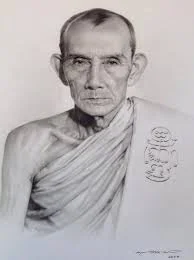
Singha Nur Khalithong BE2521 Luang Phor Kuay (Lp Kuay) Wat Kositaram
| Monk | Luang Phor Kuay Wat Kositaram |
| Temple | Wat Kositaram |
| B.E. Year | 2521 |
| Material | Khalithong |
| SKU | TAC-0320 |
Authentic Singha Nur Khalithong BE2521 Luang Phor Kuay (Lp Kuay) Wat Kositaram by Luang Phor Kuay Wat Kositaram, consecrated at Wat Kositaram BE2521.
What is the Singha Nur Khalithong BE2521 Luang Phor Kuay (Lp Kuay) Wat Kositaram by Luang Phor Kuay Wat Kositaram?
The Singha Nur Khalithong BE2521 Luang Phor Kuay (Lp Kuay) Wat Kositaram by Luang Phor Kuay Wat Kositaram is a Singha (sacred lion) amulet pressed in khalithong (a leaded antimony alloy prized for its density and patina) and consecrated at Wat Kositaram in BE 2521. It is one of the enduring metal-nuea pieces associated with this well-regarded monk of the central Thai lineage.
Luang Phor Kuay and the standing he carries into every piece he blessed
Luang Phor Kuay Wat Kositaram is a monk whose name carries real weight in collector circles across Thailand, Singapore, and the broader Southeast Asian market. His amulets are tracked seriously — pieces from his hand or from ceremonies he presided over consistently draw attention at appraisal tables. That reputation was built through decades of practice at Wat Kositaram, a temple with a working tradition of producing amulets under rigorous ceremonial conditions.
Collectors who follow Luang Phor Kuay’s output tend to focus on the material and the year. BE 2521 sits in a period when Thai amulet production was rooted in temple-led batches rather than large commercial runs, which matters to anyone tracking authentic lineage pieces within the broader Thai Buddhist amulet tradition.
The khalithong nuea — what the material tells you about this piece
Khalithong is the nuea (material/substance) here. It is a metal alloy — dense, with a surface that develops a distinctive dark tone over time. Collectors value it partly because it holds fine mould detail well and partly because the patina that forms naturally over decades is difficult to fake convincingly. A genuine piece pressed in 1978 will show age in the metal itself, not just on the surface.
The Singha form — a lion figure — carries its own symbolism within Thai Buddhist iconography. Pressed in khalithong at Wat Kositaram under Luang Phor Kuay’s supervision, this piece represents a specific intersection of form, material, and consecrating monk that collectors look to match against known reference examples. There is no separate certification noted for this piece beyond the standard certificate referenced in the original listing.
- Check the metal colour and surface density — khalithong has a specific weight and dark tone that differs from cheaper alloys
- Look at the mould detail on the Singha figure — sharp lines and clear relief are consistent with temple-pressed pieces from this period
- Age patina should be even and integrated into the metal, not applied or concentrated only on raised surfaces
- Compare against documented reference pieces from Luang Phor Kuay’s BE 2521 output when available
What this piece means for a collector today
Amulets from Luang Phor Kuay’s active years at Wat Kositaram are not easy to source in verified condition. The BE 2521 date places this piece roughly 46 years back, and genuine khalithong examples with intact surface detail are progressively harder to find in the open market. That scarcity is a practical factor, separate from any discussion of belief or tradition.
For collectors building a focused holding around central Thai monastic lineages, a Singha Nur Khalithong BE2521 Luang Phor Kuay (Lp Kuay) Wat Kositaram in verifiable condition fills a specific gap. The Singha pim (mould type) is distinct within his body of work, and khalithong pieces tend to hold collector interest more consistently than mixed-material versions from the same period.
We at TAC sourced this Singha Nur Khalithong BE2521 Luang Phor Kuay (Lp Kuay) Wat Kositaram as part of our focus on verified central Thai lineage pieces from monks with a documented collector following. For collectors tracking Luang Phor Kuay's BE 2521 output, a khalithong Singha in this condition is not a piece that comes up regularly, and that scarcity is reflected in how we've priced it.
Attributes reflect Thai Buddhist devotional tradition and are not measurable claims.