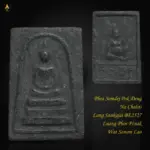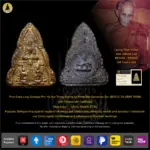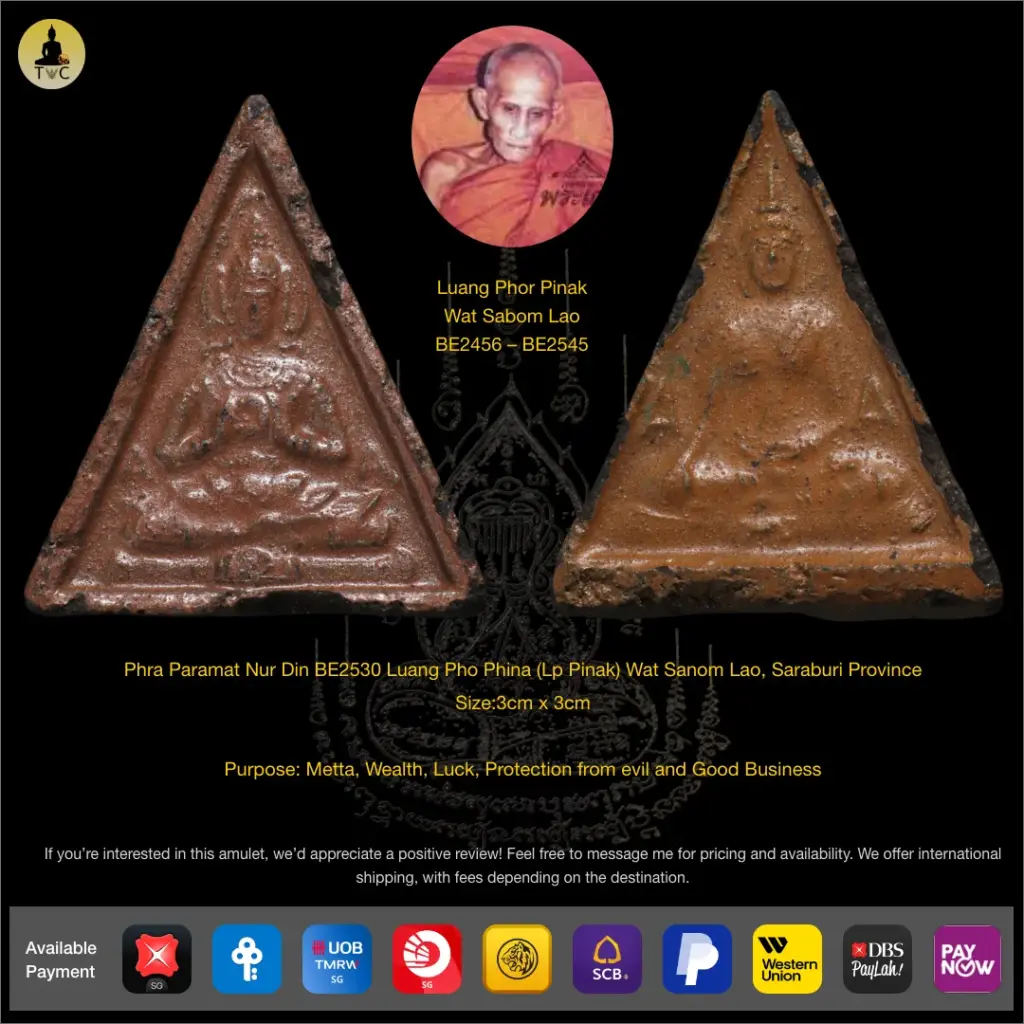
Phra Paramat Nur Din BE2530 Luang Phor Pinak Wat Sanom Lao, Saraburi
| Monk | Luang Phor Pinak |
| Temple | Wat Sanom Lao |
| B.E. Year | 2530 |
| Material | Din |
| SKU | TAC-0703 |
Authentic Phra Paramat Nur Din BE2530 Luang Phor Pinak Wat Sanom Lao, Saraburi by Luang Phor Pinak. Sacred earth, multi-session consecration, BE2530. No cert.
What is the Phra Paramat Nur Din BE2530 Luang Phor Pinak Wat Sanom Lao, Saraburi by Luang Phor Pinak?
The Phra Paramat Nur Din BE2530 Luang Phor Pinak Wat Sanom Lao, Saraburi by Luang Phor Pinak is a sacred-earth (nuea din) Buddha amulet issued in BE 2530 (1987) from Wat Sanom Lao, Saraburi Province. Pressed from a din (sacred earth) blend and consecrated through extended chanting and meditation ceremonies, it is a calm, temple-rooted devotional piece valued for its grounding character.
Luang Phor Pinak and the Wat Sanom Lao Devotional Line
Luang Phor Pinak was known among followers for disciplined meditation practice and careful consecration work. His approach was methodical — repeated ritual sessions rather than single-day events — and that rhythm shaped how pieces from Wat Sanom Lao were prepared and received by collectors.
The BE 2530 issue was created with a clear stated intent: to spread Dhamma and provide a steady protective companion for devotees. Nothing flashy in the concept. The piece sits within the broader Thai Buddhist amulet tradition of temple-rooted, earth-based amulets made for daily wear and mindful living rather than prestige display.
For collectors, three things anchor the lineage value here: a clearly documented BE year, a specific temple (Wat Sanom Lao, Saraburi), and a material identity — nuea din (sacred earth) — that carries its own symbolic weight around grounding and stability. All three are verifiable reference points when authenticating against other pieces from the same line.
Nuea Din — What Went Into This Piece and How It Was Made
Nuea din means the amulet’s base substance is sacred earth — a formulation built around carefully selected soils gathered from respected sites, combined with powdered sacred herbs, relic-related materials, and aromatic wood powders used in protective ritual preparation. The original listing describes this as a considered blend, not a generic fill.
Pressing a piece in nuea din produces a tactile result that differs from powder-composite or metal types. The surface carries grain, natural tone variation, and an aged character that shifts subtly with time and handling. Natural colour and texture differences across pieces in the same batch are expected — they come from the mineral and organic composition of the blend, not from inconsistency in the mould.
Consecration at Wat Sanom Lao under Luang Phor Pinak is described as extended chanting and meditation conducted across multiple ceremonies. That multi-session approach is consistent with how serious temple devotional issues were handled in this period — phutthaphisek (the formal Buddhist consecration ceremony) completed not as a single event but built up over time.
What Collectors Look For and How This Piece Is Certified
The pim (mould impression) on a Phra Paramat Nur Din BE2530 should show a calm, centred Buddha image consistent with the devotional character of the Wat Sanom Lao line. Surface patina on a genuine nuea din piece from this era will have settled naturally — the earth-blend should feel compact and read as aged without appearing artificially darkened or refinished.
- Check the mould definition: crisp impression without modern-tool sharpness or signs of restriking.
- Examine surface patina: even, natural ageing consistent with a piece pressed in BE 2530 and handled over decades.
- Assess the nuea: the earth blend should feel dense and dry, with natural tone variation — not uniform, not coated.
- Cross-reference against known examples from the Wat Sanom Lao BE 2530 issue where possible.
No certificate is listed with this piece. Collectors should factor that into their assessment and rely on physical comparison and, where needed, review by a specialist familiar with the Saraburi temple line.
We acquired this Phra Paramat Nur Din BE2530 Luang Phor Pinak Wat Sanom Lao, Saraburi as a quiet but well-grounded piece from the Saraburi temple line — the kind of devotional issue that doesn't announce itself but holds up well under close inspection. Luang Phor Pinak's multi-session consecration approach is a genuine differentiator from single-ceremony issues of the same era, and that should be highlighted when presenting to collectors who understand phutthaphisek practice.
Attributes reflect Thai Buddhist devotional tradition and are not measurable claims.