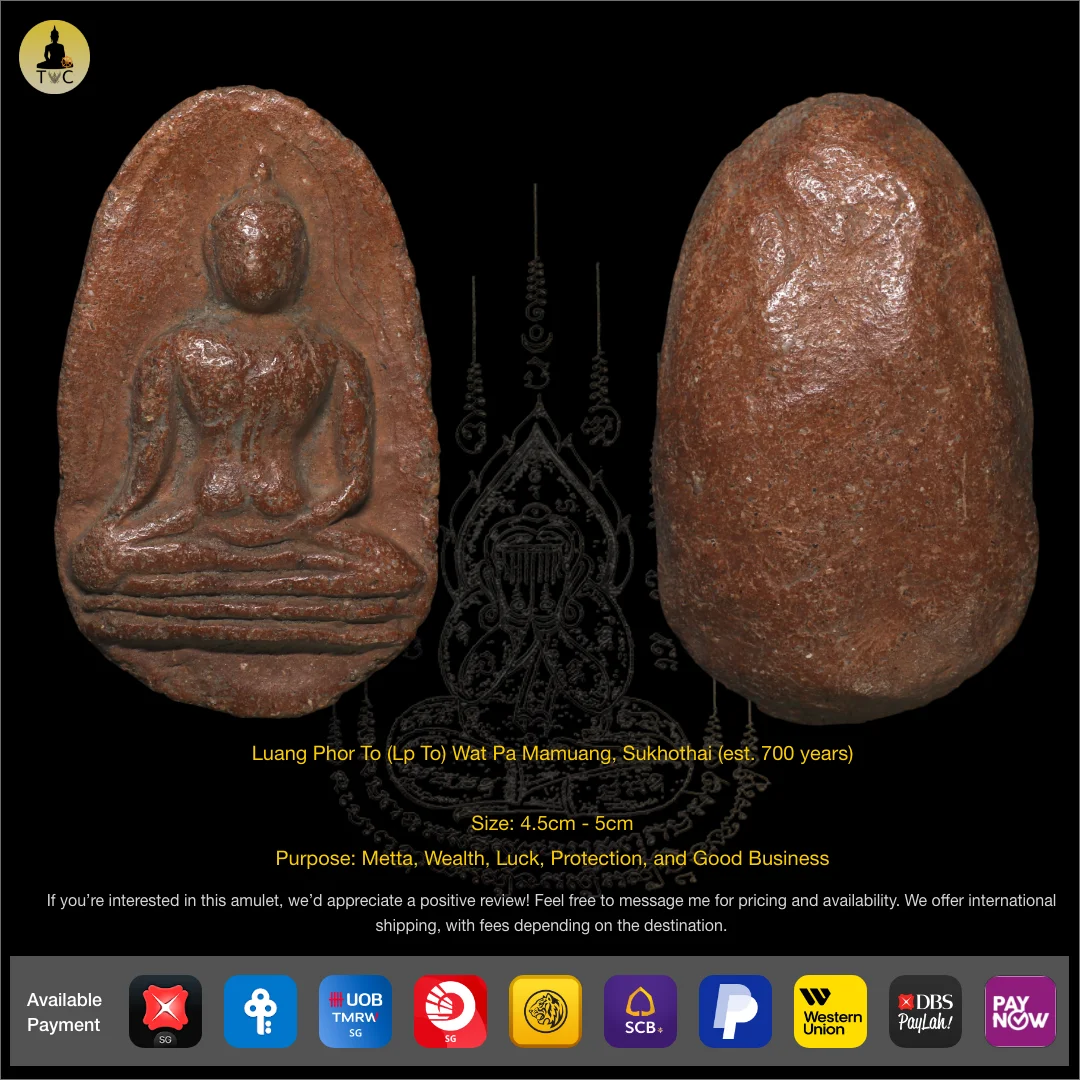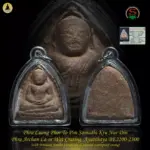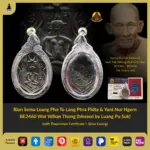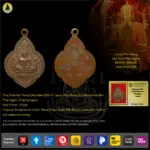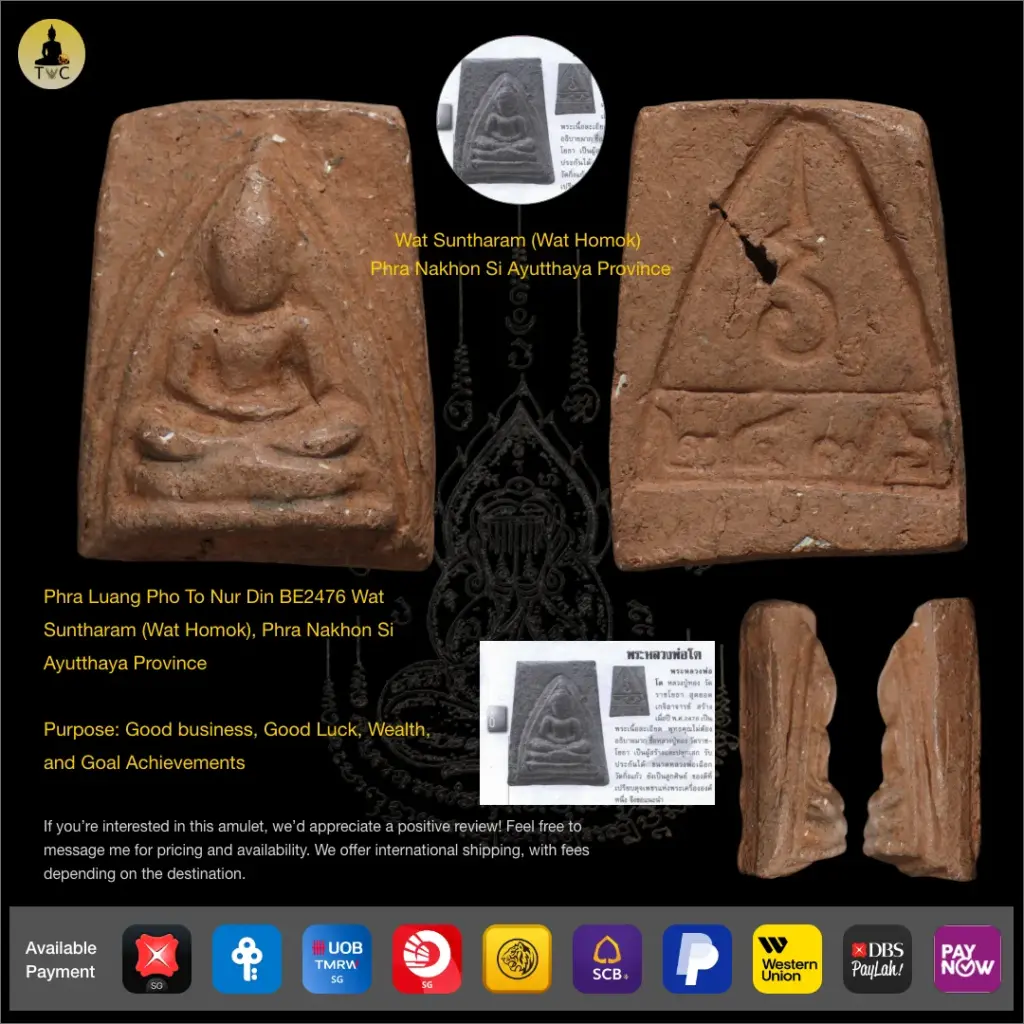
Phra Luang Phor To (Lp Toh) Nur Din BE2476 Wat Suntharam (Wat Homok), Phra Nakhon Si Ayutthaya Province
| Monk | Luang Phor To (Lp To) Wat Pa Mamuang, Sukhothai (est. 700 years) |
| Temple | Wat Suntharam |
| B.E. Year | 2476 |
| Material | Din |
| SKU | TAC-0683 |
Authentic Phra Luang Phor To (Lp Toh) Nur Din BE2476 Wat Suntharam (Wat Homok), Phra Nakhon Si Ayutthaya Province by Luang Phor To (Lp To) Wat Pa Mamuang…
What is the Phra Luang Phor To (Lp Toh) Nur Din BE2476 Wat Suntharam (Wat Homok), Phra Nakhon Si Ayutthaya Province by Luang Phor To (Lp To) Wat Pa Mamuang, Sukhothai (est. 700 years)?
The Phra Luang Phor To (Lp Toh) Nur Din BE2476 Wat Suntharam (Wat Homok), Phra Nakhon Si Ayutthaya Province by Luang Phor To (Lp To) Wat Pa Mamuang, Sukhothai (est. 700 years) is a sacred clay — nuea (material/substance) din — amulet pressed at Wat Suntharam in 1933, depicting the image of the revered monk Luang Phor To. Consecrated through phutthaphisek (formal consecration ceremony) by the abbot and senior monks, it carries close to a century of lineage behind it.
The monk behind this piece — and why Wat Suntharam made it
Luang Phor To (Lp To) Wat Pa Mamuang, Sukhothai (est. 700 years) was a monk of considerable standing — respected for his grounding in Dhamma and his depth in meditation practice. His reputation extended well beyond his home province of Sukhothai. It was this standing that made his image worth enshrining in amulet form at a temple elsewhere in the country.
Wat Suntharam — commonly known among locals as Wat Homok — sits in Phra Nakhon Si Ayutthaya Province, a region whose Buddhist heritage runs centuries deep. The abbot at the time held detailed knowledge of both Dhamma and esoteric practice, and he directed the creation of this piece in BE 2476. Senior monks from neighbouring temples joined the phutthaphisek, each chosen for their command of Pali chant and meditative concentration. That cross-temple participation is one reason collectors treat this consecration as substantial.
Din nuea, how it was prepared, and what the phutthaphisek involved
The nuea here is din — sacred clay — sourced from sites carrying religious significance. Clay pressed from such locations was understood to absorb the spiritual character of those places before the mould was ever touched. In some versions of this run (batch/edition), the base clay was blended with powdered herbs, fragments of sacred relics, and other holy materials before pressing into the pim (the mould collectors authenticate against). That blend is part of what separates a piece like this from a simple terra-cotta image.
The phutthaphisek followed a structured sequence: continuous Pali recitation, collective meditation by the officiating monks, and focused intention directed toward protection and auspiciousness for future bearers. The process was not ceremonial shorthand — it was considered the mechanism through which the virtues of Luang Phor To himself were transferred into the object. Understanding the Thai Buddhist amulet tradition helps explain why the identity of the consecrating monks matters as much to serious collectors as the nuea itself.
What collectors look at — and the certification situation
A piece approaching ninety years old will show age in specific, readable ways. Collectors examining this pim look at surface texture consistent with aged din, natural crazing or patina that cannot be replicated artificially, and the sharpness — or expected softness — of the facial relief given the pressing method of the era. Any piece claiming BE 2476 Wat Suntharam origin should be cross-referenced against known niyom (collector-standard reference pieces) from the same temple and period.
- Surface patina and colour depth consistent with nearly ninety years of age
- Relief detail of Luang Phor To’s image matching documented pim for this run
- Clay composition and density typical of din nuea from this period
- Provenance: temple origin documentation or prior collector records where available
No certificate accompanies this listing. For a piece of this age, authentication rests on physical examination against reference examples and, where a collector requires it, submission to a recognised Thai amulet certification body. TAC recommends collectors factor this into their due diligence.
This BE2476 din piece from Wat Suntharam is one of the older Luang Phor To amulets we carry at TAC — pressed in 1933 and consecrated with direct involvement from the abbot and senior monks of the Ayutthaya region. No certificate is attached at this stage, so I'd recommend noting that clearly for buyers and pointing them toward independent appraisal if they are building a documented collection.
Attributes reflect Thai Buddhist devotional tradition and are not measurable claims.