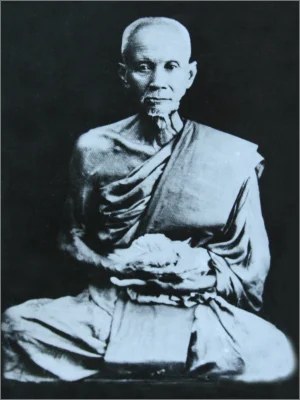
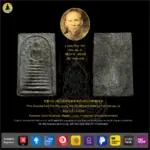
Phra Ngo Nam Oi Pim Yai BE2470-2475 Luang Phor Yim Wat Jao Jit
| Monk | Luang Phor Yim (Lp Yim), Wat Hua Khao |
| Temple | Wat Jao Jit |
| B.E. Year | 2470 |
| SKU | TAC-0381 |
Authentic Phra Ngo Nam Oi Pim Yai BE2470-2475 Luang Phor Yim Wat Jao Jit by Luang Phor Yim (Lp Yim), Wat Hua Khao.
What is the Phra Ngo Nam Oi Pim Yai BE2470-2475 Luang Phor Yim Wat Jao Jit by Luang Phor Yim (Lp Yim), Wat Hua Khao?
The Phra Ngo Nam Oi Pim Yai BE2470-2475 Luang Phor Yim Wat Jao Jit by Luang Phor Yim (Lp Yim), Wat Hua Khao is a fired sacred clay amulet — nuea din (sacred clay) — pressed in the large pim at Wat Jao Jit, Ayutthaya, across BE 2470 to 2475 (1927–1932 CE), as part of LP Yim’s celebrated Ngo Nam Oi series.
LP Yim’s Ayutthaya Workshop and What He Was Trying to Do
Luang Phor Yim (Lp Yim), Wat Hua Khao was working in a period when older amulet traditions risked being lost. His stated aim was to preserve a canonical range of ancient forms — Sukhothai, Kamphaeng Phet, Ayutthaya idioms — pressing toward what the workshop described as an 84,500-piece set as an act of preservation and teaching. That ambition explains the variety you still find under his name today: Somdej, Phra Ruang, Phra Buddha Chinnarat, Khun Phaen, Phra Pidta, Nang Kwak, and more.
The Ngo Nam Oi series sits squarely within that revival. The pim yai (large mould) format gives the image a dignified, robust massing — what collectors often describe as calm authority in a compact field. A well-known anecdote from LP Yim’s lifetime has him knotting a handkerchief and inviting a test shot to silence doubters; the gun misfired. Whether taken as miracle or moral lesson, the story underlines how seriously his community regarded him.
Nuea Din: What LP Yim Actually Put Into the Clay
The nuea (material/substance) here is nur din — fired sacred clay — and the recipe is specific. LP Yim gathered earth from sacred grounds in Ayutthaya’s river plains, then enriched it with relic powders, incense ash, herbal binders, rice remnants, and crab-shell soil. That last ingredient carries its own folk symbolism: in the Ayutthaya vernacular, crab-shell earth is culturally associated with metta (loving-kindness) and personal appeal. The whole matrix was kneaded by hand into what the original workshop described as a tactile blend.
Mould carving fell to close disciples, who cut the pim from sharpening stone. Monks and lay assistants pressed, trimmed, and textured the backs — which is why many examples carry recognisable wood-grain tool marks on the reverse, a direct physical trace of hand preparation. Firing was low-tech by design: alms-bowl kilns produced brick-brown to grey-green tones, occasional bronze or silver surface colouring, and the kiln freckles that serious collectors now treat as authentication markers. Understanding this process sits within the broader Thai Buddhist amulet tradition of embedding sacred intent at every stage of production.
The clay body itself often shows crab-shell soil particulates and micro-grit under close inspection. Under raking light, layered granularity and the wood-grain back marks become visible — indicators of the modest, hand-driven production that distinguishes this workshop from later machine-pressed editions.
What Collectors Look For — and How This Piece Is Certified
Pim yai examples with coherent clay matrices, readable tool marks, mature surface patina, and honest apex wear are the ones being curated and studied. Comparative study against Wat Bang Nom Kho colourways and other Ayutthaya stone-mould idioms supports workshop attribution. Provenance documentation and institutional examination strengthen confidence further.
- Obverse: bold pim proportions, even maturation, calm clay field with visible micro-inclusions
- Reverse: wood-grain tool marks, consolidated earthen body, light edge transitions
- Surface: earthy tonality with kiln freckles; possible brick-brown, grey-green, or light bronze toning depending on firing position
- Clay composition: fine grit with shell and silica particulates detectable under magnification
No certificate is listed for this piece. Buyers should conduct their own comparative study or seek independent examination where that matters for their collection.
We at TAC are offering this Phra Ngo Nam Oi Pim Yai from LP Yim's Wat Jao Jit workshop — a piece that sits at the intersection of Ayutthaya revival craft and genuine mid-century nur din production. What draws serious collectors to this series is the specificity of the clay recipe — crab-shell soil, relic powder, herbal binders — and the hand-pressed, low-kiln production method that leaves physical evidence directly on the piece itself.
Attributes reflect Thai Buddhist devotional tradition and are not measurable claims.