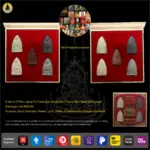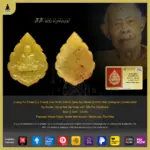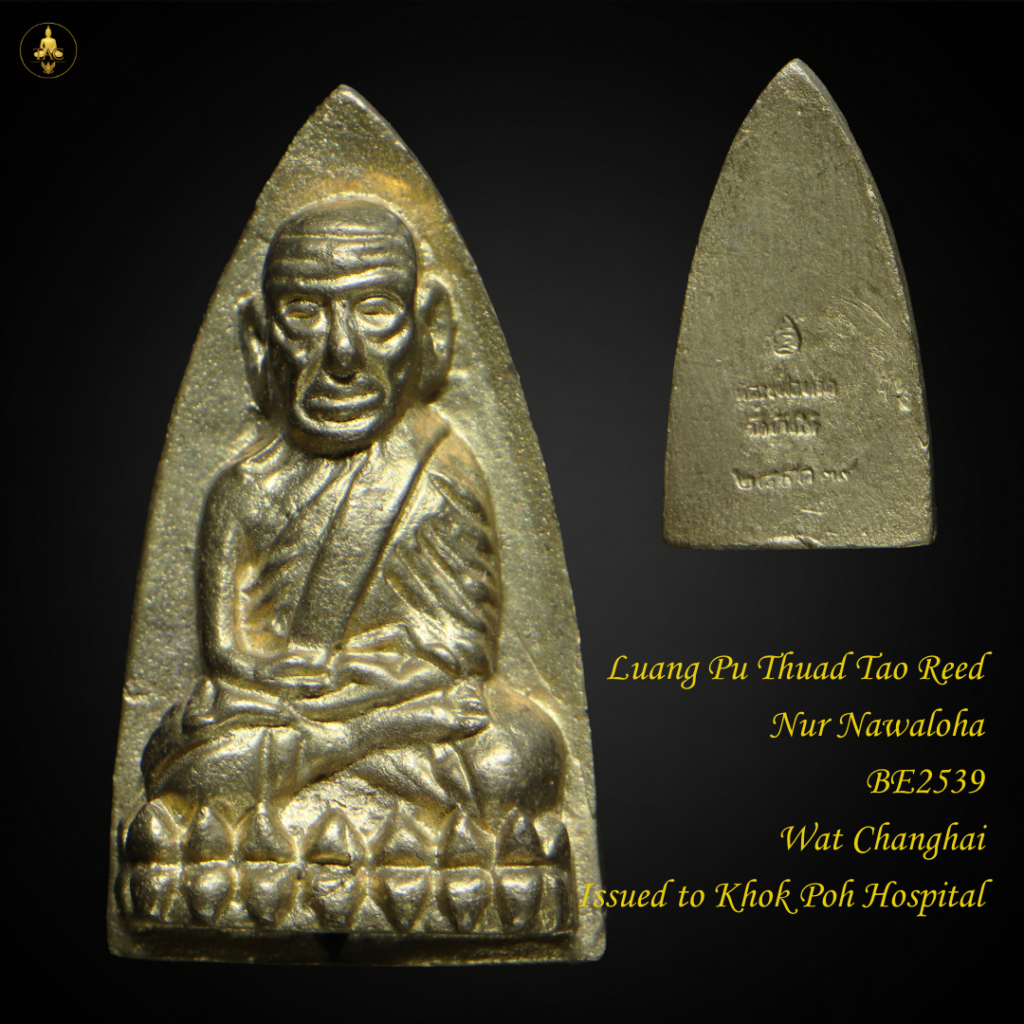
Luang Pu Thuad Tao Reed Nur Nawaloha BE2539 Wat Changhai Issued to Khok Poh Hospital
| Type | Luang Pu Thuad Tao Reed |
| Monk | Mass Chanting |
| Temple | Wat Changhai |
| B.E. Year | 2539 |
| Material | Nur Nawaloha |
| Condition | Good |
| SKU | TAC-LuangPuThuadTaoReed--001 |
Luang Pu Thuad Tao Reed Mass Chanting, Wat Changhai BE 2539. Cast in nur nawaloha, Kok Phothi Hospital Edition, only 14,999 pieces. No certificate.
What is the Luang Pu Thuad Tao Reed Mass Chanting from Wat Changhai BE 2539?
The Luang Pu Thuad Tao Reed Mass Chanting is a large Iron-Back Type A amulet produced at Wat Changhai in Pattani Province, southern Thailand, in BE 2539 (1996). Cast in nur nawaloha (nine-alloy sacred metal), it was issued under the Kok Phothi Hospital Construction Edition, with only 14,999 pieces produced in this nuea.
Why the BE 2539 Kok Phothi Edition occupies a specific place in the Luang Pu Thuad lineage
The pim (mould) used for this run came directly from the original Luang Pu Thuad Iron-Back Type A of BE 2505 — one of the most revered Luang Pu Thuad releases in the entire Thai amulet market. Collectors widely regard the BE 2539 Kok Phothi edition as the second edition of that 1962 series. The 1962 original has become largely unaffordable for most collectors, which is precisely why this 1996 issue draws consistent attention from buyers across Singapore, Malaysia, Taiwan, Hong Kong, and mainland China.
The edition was tied to a specific merit-making purpose: raising funds for the construction of Kok Phothi Hospital. Amulets produced through charitable campaigns like this carry an additional layer of significance in Thai Buddhist practice — the act of giving (merit) is considered inseparable from the object itself. That context matters to collectors who understand the broader Thai Buddhist amulet tradition.
Wat Changhai is the home temple of Luang Pu Thuad and the primary source of authentic editions bearing his image. Editions produced here carry a provenance that temples elsewhere simply cannot replicate. The combination of the temple’s authority, the original BE 2505 pim, and a charitable purpose made the BE 2539 consecration event significant well beyond a routine issue.
The nur nawaloha nuea — what it is and what collectors look for in this piece
Nur nawaloha means “nine metals” in Thai. The alloy traditionally incorporates gold, silver, copper, lead, tin, iron, mercury, and additional sacred metals. Each component is considered by devotees to carry distinct properties, and the combination is treated as one of the most prestigious nuea in the amulet world. Finding a well-struck example in this material from a limited run of under 15,000 pieces is not straightforward.
This edition is noted among experienced collectors for its casting quality. A genuine piece shows sharp, clearly defined surface detail — Luang Pu Thuad’s facial features are crisp, the nose is not flattened or damaged, and the code stamp on the reverse is evenly impressed. The surface lines are consistently distributed across the body of the amulet.
There is no certificate issued with this edition. Authentication relies entirely on physical inspection of the piece itself. Collectors and dealers familiar with this run point to the following markers:
- Facial detail: Clean, undamaged nose bridge; crisp rendering of facial features consistent with the BE 2505 pim.
- Reverse stamp: Code impression is clear and evenly applied, not smudged or off-centre.
- Surface lines: Evenly distributed across the piece, not concentrated or absent in patches.
- Naked-eye verification: Authenticity is assessable without magnification — a characteristic noted by seasoned collectors as a quality marker for this edition.
The Mass Chanting consecration format — large-scale group chanting by multiple monks — is standard for charitable temple editions of this scale and period. It does not diminish the edition’s standing; Wat Changhai’s authority as the source temple carries the weight here.
What collectors associate this amulet with and how value has moved
Luang Pu Thuad is regarded in Thai Buddhist tradition as a supreme protective figure. Collectors across the region traditionally associate his amulets with protection from physical harm, accidents, and financial hardship. The Kok Phothi Hospital Construction Edition carries additional resonance because of its origins in charitable giving — devotees consider the merit of the hospital fund-raising to be embedded in the piece itself.
On price: market references place genuine large Iron-Back examples from this edition at around 20,000 baht. Framed versions in gold lion’s-head settings have been seen at 15,000–16,000 baht. With only 14,999 pieces in nur nawaloha and the edition now well over two decades old, genuine examples rarely appear in open circulation. Prices for this run have moved consistently upward since release.
Compared to the BE 2505 original — now considered out of reach for most collectors — this edition remains accessible while sharing the same pim and the same temple provenance. For collectors building a Luang Pu Thuad collection, that combination is difficult to replicate at this price point.
This BE 2539 Tao Reed in Nur Nawaloha is one I hold in particular regard at TAC, precisely because it sits at the intersection of accessibility and genuine lineage: cast from the original BE 2505 Iron-Back Type A mould, it represents the closest most collectors will realistically come to owning a piece from that foundational 1962 series. The limited mintage of 14,999 pieces, tied directly to the Kok Phothi Hospital construction project, gives this edition a documented charitable context that adds a layer of historical specificity beyond the typical commemorative release. For collectors building a serious Wat Changhai holding, this edition represents sound, grounded provenance from the saint's own home temple, without the four- or five-figure premium that a genuine BE 2505 now commands.
Attributes reflect Thai Buddhist devotional tradition and are not measurable claims.