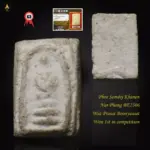
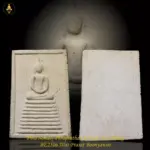
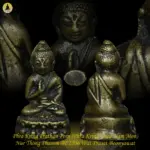
Phra Khun Paen Pim Yai Nur Phong BE2506 Wat Prasat Bunyawat (Rare) (Big Ceremony)
| Type | Phra Khun Paen |
| Temple | Wat Prasat |
| B.E. Year | 2506 |
| Material | Phong |
| SKU | TAC-0186 |
Authentic Phra Khun Paen, Wat Prasat Bunyawat BE 2506, phong, pim yai. Grand multi-monk ceremony. Thaprachan cert. Waterproof cased. Singapore dealer TAC.
What is the Phra Khun Paen from Wat Prasat Bunyawat, BE 2506?
This Phra Khun Paen from Wat Prasat Bunyawat, Nakhon Sawan, dates to BE 2506 (CE 1963) and was pressed in phong — sacred powder — as part of a grand multi-monk consecration remembered by collectors as one of the more significant mid-century blessing events. The pim yai (large-format mould) format and the documented Thaprachan certificate presentation make this a piece with both devotional and collector study value.
The BE 2506 Ceremony and Why This Batch Matters
Not every temple edition carries a story collectors actually care about. This one does. The BE 2506 Wat Prasat Bunyawat batch was created in connection with a temple restoration and merit-making project — specifically the renovation of the ubosot and surrounding monastic structures. That gives it a purpose beyond simple distribution.
The phutthaphisek (consecration ceremony) involved many respected monks from central and northern Thailand, chanting over multiple days. In Thai Buddhist amulet tradition, this kind of large-scale multi-monk blessing is one of the factors collectors use to assess spiritual and historical weight. The broader the monastic network involved, the stronger the ceremonial reputation of the batch.
Wat Prasat Bunyawat is discussed in collector circles specifically in the context of strong ceremonial intent and carefully prepared sacred materials. This BE 2506 edition is widely remembered as a rare grand ceremony issue — not a routine temple release.
Nuea and Pim — What the Collector Is Actually Looking At
The nuea (material/substance) here is phong — sacred powder — pressed into the pim yai mould. For Khun Paen amulets of this period, phong composition typically draws from ritual powders including phong itthije, burnt scripture powder, fragments of older broken amulets, incense ash, ceremonial floral residue, and sacred soil. These are not decorative additions. Each ingredient reflects the ritual logic of temple powder-making: the amulet is compressed blessed matter, not simply shaped clay.
Collectors reading a piece like this focus on powder grain density, surface dryness, and how the material has matured across six decades. Organic aging, mellow coloration, and intact contours are the primary evidence cues. When those hold, the amulet reads as genuine and well-kept.
The pim yai format — the larger mould — gives clearer field spacing and more readable relief. In Khun Paen iconography, the front presents the seated figure in a composed posture, framed by surrounding yant (sacred inscription) elements. Collectors assess proportion, arch space, base line, edge consistency, and the overall coherence of the powder body. The current example comes already housed in waterproof casing, which adds practical protection for daily wear and helps preserve surface integrity over time.
Key authentication points for this piece:
- Phong body showing organic aging — mellow tone, no artificial patina
- Intact contours consistent with the pim yai mould dimensions for this batch
- Surface grain density appropriate to mid-century sacred powder preparation
- Thaprachan certificate imagery accompanying the piece for additional documentation
- Waterproof casing fitted without compression damage to edges or relief
Rarity in Practice — Finding a Well-Preserved Example
Sacred powder amulets from the BE 2500s are fragile by nature. Edge wear, surface compression from handling, and moisture damage over decades reduce the number of collectible-grade examples with every passing year. The original content explicitly describes this batch as very rare, and from a collector standpoint that assessment is straightforward to understand.
When an example still presents good contour retention and arrives in waterproof casing with supporting Thaprachan certification imagery, it removes two of the most common concerns: preservation state and documentation. That combination — year, temple provenance, ceremony reputation, preserved phong body, and certificate presentation — is what makes this piece stand out from generic mid-century powder issues.
We at TAC sourced this BE 2506 Wat Prasat Bunyawat Phra Khun Paen specifically because grand ceremony phong issues from this era are becoming genuinely hard to find in presentable condition. The Thaprachan certification imagery and existing waterproof casing make this accessible to both active wearers and collectors who want a documented mid-century sacred powder Khun Paen without sourcing one themselves.
Attributes reflect Thai Buddhist devotional tradition and are not measurable claims.