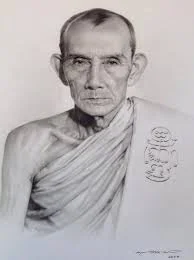
Phra Somdej Hubaysri 9 Chan Nur Phong Namon BE2515 Luang Phor Kuay Wat Kositaram
| Type | Phra Somdej |
| Monk | Luang Phor Kuay Wat Kositaram |
| Temple | Wat Kositaram |
| B.E. Year | 2515 |
| Material | Phong Namon |
| SKU | TAC-0199 |
Authentic Phra Somdej Luang Phor Kuay Wat Kositaram, Hubaysri 9 Chan layout, phong namon, BE 2515. Singapore dealer TAC. Enquire for availability.
What is the Phra Somdej Hubaysri 9 Chan by Luang Phor Kuay Wat Kositaram?
The Phra Somdej Luang Phor Kuay Wat Kositaram in the Hubaysri 9 Chan layout is a sacred powder amulet pressed in phong namon (consecrated powder blend) and dated BE 2515. It features a seated Buddha image above a nine-tier kao chan base, and is associated with Luang Phor Kuay Wat Kositaram and Wat Kositaram.
Luang Phor Kuay and the Weight That Name Carries
Luang Phor Kuay Wat Kositaram is a name that moves serious collectors. His period output in sacred powder formats draws consistent study across Thailand, Singapore, and Taiwan — not because of marketing, but because of how the pieces hold up under scrutiny. Collectors who follow this lineage return to the material character, the pim (mould; the form collectors authenticate against), and the documented temple association rather than surface reputation alone.
His name is most often discussed alongside metta (เมตตา — goodwill and loving-kindness) and khum khrong (คุ้มครอง — protective care). These are traditional attributions rooted in Thai Buddhist belief and collector culture. A compact Somdej-form piece linked to his BE 2515 period can hold sustained collector interest precisely because the overall identity is traceable: monk, temple, material, and design all point in the same direction.
Why the Hubaysri 9 Chan Layout Matters to This Piece
The kao chan (เก้าชั้น — nine-tier) base is what gives this piece a sharper collector profile within the broader Phra Somdej family. Most Somdej variants present the seated Buddha above a simple stepped throne. The Hubaysri 9 Chan adds layered ceremonial structure, making the amulet immediately distinguishable when compared side by side against other sacred powder examples from the same period.
From a collector standpoint, that structural clarity is useful. It anchors the piece to a specific design identity within Wat Kositaram‘s known output, rather than leaving it as a generic Somdej. The Thai Buddhist amulet tradition places considerable weight on pim recognition — and the nine-tier base here is the primary reference point collectors work from.
The nuea (material/substance) is phong namon — phong (ผง) referring to the sacred powder body, namon understood in ritual terms as a consecrated mixture. Powder amulets of this kind are read differently from cast metal pieces. Compression, surface tone, how the material settles into the recessed lines of the pim, and the natural maturity of the edges — these are the evidence collectors look at first.
What to Look For When Authenticating
Reading a BE 2515 Wat Kositaram powder piece takes patience. There is no single marker that closes the case on its own. Collectors typically build a picture from several points together:
- Surface maturity in the protected recesses and along the base edges — natural ageing in phong (sacred powder) looks different from artificial colouring.
- Compression consistency across the body — the powder should feel settled, not loose or crumbly, and the relief lines of the seated image should remain clear.
- Pim proportions — the nine-tier base structure needs to sit in correct ratio to the Buddha image above it; distortion in either direction is a flag.
- Minor tonal variation or density difference can be normal age expression in older sacred powder amulets — it is not automatically a fault.
No certificate information is available for this piece. That makes physical evidence reading more important, not less. Collectors acquiring without paperwork rely entirely on material literacy and, where possible, comparison against documented reference pieces.
We at TAC are offering this Phra Somdej Hubaysri 9 Chan in phong namon, dated BE 2515 and associated with Luang Phor Kuay of Wat Kositaram — a combination of monk name, temple lineage, period, and named pim that gives this piece a clear collector identity within the Somdej family. No certificate accompanies this piece, which is worth stating plainly; the value case rests on the documented details and the material evidence itself.
Attributes reflect Thai Buddhist devotional tradition and are not measurable claims.