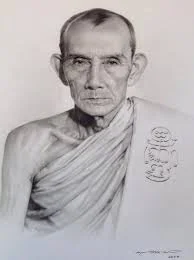
Phra Somdej Hubaysri 7 Chan Nur Phong Namon BE2515 Luang Phor Kuay (Lp Kuay) Wat Kositaram
| Type | Phra Somdej |
| Monk | Luang Phor Kuay Wat Kositaram |
| Temple | Wat Kositaram |
| B.E. Year | 2515 |
| Material | Phong Namon |
| Condition | Good |
| SKU | TAC-0287 |
Authentic Phra Somdej Luang Phor Kuay Wat Kositaram, BE 2515. Pressed from Phong Namon, Hubaysri 7 Chan pim, abbot-consecrated. No certificate.
What is the Phra Somdej Luang Phor Kuay Wat Kositaram BE 2515?
The Phra Somdej Luang Phor Kuay Wat Kositaram BE 2515 is a sacred Buddhist amulet pressed from Phong Namon — consecrated sacred powder — at Wat Kositaram in Chai Nat Province, Thailand. Created in 1972 under the direct supervision of the temple’s abbot, it features a seven-tiered Hubaysri throne and carries no third-party certificate.
Luang Phor Kuay and the standing of this batch
Luang Phor Kuay Chudtintaro was the abbot of Wat Kositaram and one of the more disciplined meditation masters of his generation. His reputation rested not on fame alone but on a documented pattern of rigorous ritual observance — he personally presided over the chanting and pluk sek (consecration ceremony) for every batch bearing his name. That direct involvement is what collectors point to first when discussing why pieces from his temple carry weight.
The BE 2515 batch sits within a period widely regarded as peak activity at the temple. Because this run predates the monk’s passing, it falls into the category of amulets produced under full abbatial authority — not delegated, not posthumous. That distinction matters in the secondary market and it matters to serious collectors.
The Hubaysri 7 Chan pim and the Phong Namon nuea
The pim (mould collectors authenticate against) for this piece is the Hubaysri 7 Chan — a seated Buddha on a seven-tiered throne. The seven tiers reference the seven progressive levels of enlightenment in Buddhist doctrine, so the iconography carries meaning beyond decoration. Within the broader Thai Buddhist amulet tradition, the Phra Somdej form traces back to Somdej Toh of Wat Rakhang in the nineteenth century, and each monk who works in that form brings their own lineage and muan sarn (sacred powder blend) to it.
The nuea (material/substance) here is Phong Namon — a category of sacred powder distinguished by its ritual preparation. The mixture combined auspicious herbs, consecrated minerals, and other temple-specified substances, processed according to established protocols before pressing. Luang Phor Kuay then conducted intensive meditation sessions alongside systematic Pali mantra recitation to complete the consecration. The physical result is a powder-body amulet; what collectors value is the provenance behind that body.
What to look for, and how this piece is authenticated
No third-party certificate accompanies this piece. That is not unusual for amulets of this era — formal certification bodies became common practice later, and many genuinely old pieces from the early 1970s simply predate that infrastructure. Authentication here falls to physical reading of the piece itself.
- Surface texture: Phong Namon from this period has a characteristic density and fine granular surface — neither powdery nor glassy.
- Patina: Over fifty years of age produces a settled tone and micro-surface detail that pressed reproductions do not replicate convincingly.
- Pim profile: The seven-tiered Hubaysri base has specific proportions — the tier heights, the throne width relative to the image, and the edge definition are reference points experienced collectors check first.
- Overall wear: Natural handling wear concentrates at the high points of the image and the edges; uniform wear across the face suggests mechanical ageing.
For collectors who are newer to this monk’s output, comparing against niyom (collector-standard reference pieces) in established reference books or specialist forums is the practical first step before any acquisition.
We at TAC are offering this Phra Somdej Luang Phor Kuay Wat Kositaram from the BE 2515 run — a batch produced under direct abbatial supervision at Wat Kositaram, Chai Nat, pressed in Phong Namon with the Hubaysri 7 Chan pim. For collectors focused on pre-passing runs from this monk, the BE 2515 batch represents a historically grounded acquisition with clear lineage — no certificate, so buyer assessment or specialist consultation is advised.
Attributes reflect Thai Buddhist devotional tradition and are not measurable claims.