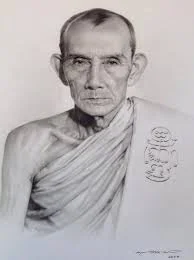
Phra Somdej 9 Chan Nur Phong BE2515 Wat Doi Suthep Consecrated by Luang Phor Kuay (Lp Kuay) Wat Kositaram and many reputable monks
| Type | Phra Somdej |
| Monk | Luang Phor Kuay Wat Kositaram |
| Temple | Wat Doi Suthep |
| B.E. Year | 2515 |
| Material | Phong |
| SKU | TAC-0044 |
Authentic Phra Somdej Luang Phor Kuay Wat Kositaram, Wat Doi Suthep BE 2515. Nine-tiered phong amulet from a royal-presided ceremony.
What is the Phra Somdej Luang Phor Kuay Wat Kositaram from Wat Doi Suthep BE 2515?
The Phra Somdej Luang Phor Kuay Wat Kositaram is a nine-tiered sacred powder amulet pressed at Wat Doi Suthep, Chiang Mai, in BE 2515 (1972 CE). Made from phong (sacred powder blend), it was consecrated at a royal-level phutthaphisek ceremony presided over by Her Majesty Queen Sirikit, with Luang Phor Kuay among the leading masters.
The BE 2515 Ceremony at Wat Doi Suthep — Why This Batch Stands Apart
Wat Doi Suthep needs little introduction to any serious collector in this region. Perched above Chiang Mai, it is one of the most spiritually significant temples in northern Thailand, and the amulet batch produced there in BE 2515 drew on that standing fully. The phutthaphisek (consecration ceremony) was a national-level event, with Her Majesty Queen Sirikit presiding — a royal endorsement that immediately set this batch apart from ordinary temple editions.
This Phra Somdej 9 Chan was made alongside the famous Phra Ruang Rang Puen amulet from the same ceremony, which tells you the level of intention behind the production. The assembled masters included Luang Phor Kuay (Wat Kositaram), Luang Phor Kasem (Wat Suan Dok), Luang Phor Waen (Wat Doi Mae Pang), Luang Phor Toh (Wat Pradoochimplee), Ajahn Nam (Wat Dhammasathit), Ajahn Chum Chaikiri, Luang Phor Ngern (Wat Don Yai Hom), Kruba Chum, and Kruba Kham Saen. That is a full gathering of northern and central Thai lineages under one roof — rare even by the standards of that era.
The ceremony itself covered long Pali sutra recitations, meditative energy transfer from the monks through samadhi, and ritual invocation of protective forces. The temple’s stated purposes for the batch were straightforward: to fund restoration works at Wat Doi Suthep, to distribute empowered objects for protection among the faithful, and to mark a ceremony of national significance. Those facts matter to collectors because they explain why this run was taken seriously from day one.
The Nuea — What Goes Into a Nine-Tiered Phong Somdej
The pim (mould) here is the nine-chan (nine-tiered) Somdej form — the Buddha seated in meditation on nine stacked bases, referencing the nine stages of purification in Theravāda practice. That layered base is the first visual checkpoint collectors use to confirm pim identity. The nuea (material/substance) is phong, a muan sarn (sacred powder blend) drawn from several component streams: powdered remains from earlier consecrated amulets, incense ash and candle wax from prior high-level ceremonies, pollens and sacred soils gathered from important temple sites across Thailand, and powdered material from previous Wat Doi Suthep batches.
Pieces from this batch typically show a light beige to pale grey tone. The surface is chalky and slightly soft to the touch, with visible organic inclusions throughout. That texture is not a defect — it is a characteristic of the muan sarn composition and one of the things experienced collectors check against reference pieces. For anyone new to the Thai Buddhist amulet tradition, understanding the material is as important as knowing the monk’s name.
Collector Considerations — Authenticity, Rarity, and What Drives Value
Original pieces from this batch are increasingly hard to source with clean provenance. The run was produced in volume for wide distribution, but over fifty years, pieces with intact features and clear temple origin have become the ones collectors compete for. The royal association alone — a ceremony presided over by HM Queen Sirikit — puts this in a category that attracts both Thai collectors and serious buyers across Singapore, Malaysia, Taiwan, and Hong Kong.
Luang Phor Kuay of Wat Kositaram is the key name on this piece for most collectors in our market. His amulets carry consistent demand, and his presence as a leading consecrator here adds a layer of lineage that pure Wat Doi Suthep provenance alone would not provide. Several of the other masters who participated — LP Toh, LP Waen, LP Kasem — are now deceased, which closes the lineage permanently and tends to push collector interest upward over time.
When authenticating a piece from this batch, collectors should check:
- The nine-tiered base — each layer should be clearly defined in the press
- Surface colour and texture consistent with the beige-to-pale-grey phong blend, with natural inclusions visible
- Profile depth and arch consistent with the Somdej 9 Chan pim from this temple
- Overall condition of the muan sarn surface — no signs of artificial ageing or surface treatment inconsistent with a 1972 press
No certificate is listed for this piece. Collectors buying without a certificate should rely on physical comparison against established niyom (collector-standard reference pieces) and, where possible, opinion from a recognised grading body familiar with Wat Doi Suthep material.
This BE 2515 Phra Somdej 9 Chan from Wat Phra That Doi Suthep holds a distinct place in our collection precisely because of the convergence of factors behind its creation: a royal-presided consecration ceremony at one of northern Thailand's most sacred sites, with Luang Phor Kuay of Wat Kositaram — one of the most venerated masters of his generation — among the presiding monks. For collectors of mid-20th-century Thai powder amulets, the participation of LP Kuay in a ceremony of this scale is itself a meaningful provenance marker, as his involvement in any blessing event is well-documented and consistently sought after. The standard certificate accompanying this piece provides an important baseline for authentication, and we at TAC recommend prospective collectors review it alongside the piece's visual details when considering this acquisition.
Attributes reflect Thai Buddhist devotional tradition and are not measurable claims.