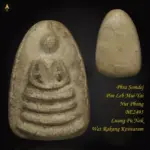
Phra Somde Pim Yai Nur Phong BE2495 Luang Pu Nak (LP Nak) Wat Rakang
| Type | Phra Somdej |
| Monk | Luang Pu Nak Wat Rakang Kositaram |
| Temple | Wat Rakang |
| B.E. Year | 2495 |
| Material | Phong |
| SKU | TAC-0175 |
Authentic Phra Somdej Luang Pu Nak Wat Rakang Kositaram, BE 2495, pressed in Pim Yai phong. Pre-2500 BE Wat Rakang provenance. No certificate.
What is the Phra Somdej Luang Pu Nak Wat Rakang Kositaram BE 2495?
The Phra Somdej Luang Pu Nak Wat Rakang Kositaram BE 2495 is a sacred phong (pressed sacred powder) amulet produced at Wat Rakang Kositaram, Bangkok, under the supervision of the temple’s venerated abbot. Pressed in the large Pim Yai format and consecrated through extended ceremony, it is among the more historically significant post-war Phra Somdej pieces in the Thai amulet collecting community.
Luang Pu Nak and why this batch carries weight
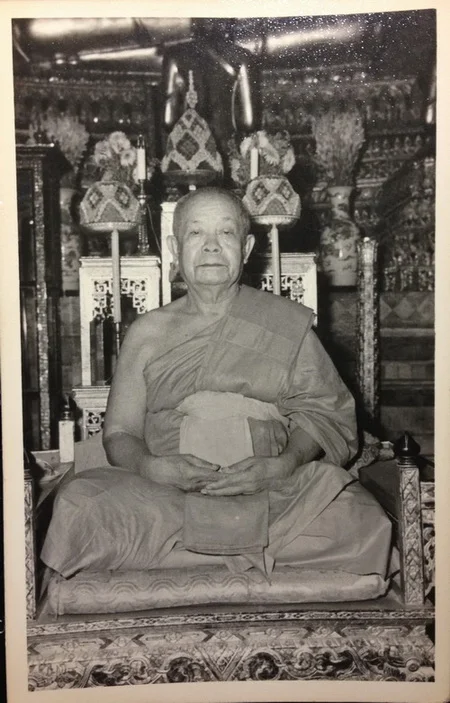
Luang Pu Nak Wat Rakang Kositaram served as abbot at Wat Rakang and was regarded by collectors as sitting squarely within the temple’s lineage of learned, ritually capable monks. His authority to conduct pluk sek (consecration ceremonies) was not simply institutional — it was grounded in documented meditative attainment and mastery of classical Theravada and Thai esoteric practice.
The BE 2495 batch was pressed in the years just after the Second World War, a period when temple resources and ritual standards at Wat Rakang were still operating under the older, stricter conventions. Collectors who track Wat Rakang provenance pieces recognise this era as producing work that sits clearly apart from later, more commercially oriented editions.
Luang Pu Nak’s phutthaphisek (consecration ceremony, sometimes written puttapisek) for this batch involved sustained chanting sessions and meditative projection over the assembled pieces. That process, by Wat Rakang’s own conventions, was not abbreviated. The accumulated devotional weight of decades of subsequent veneration adds another layer that serious collectors factor in when assessing pre-2500 BE pieces.
What the muan sarn tells you about this piece
The nuea (material/substance) here is phong — a muan sarn (sacred powder blend) compound built from five classical phong components: phong itijae, phong pathamang, phong maharaj, phong puttakun, and phong trisamphan. Each component carries specific ritual properties within the Thai Buddhist consecration tradition. They were bound together using sacred resins and concentrated floral extracts under strict ceremonial conditions at Wat Rakang.
The pim (mould collectors authenticate against) used for this batch was Pim Yai — the large format. A larger pressing means more muan sarn mass within each amulet, and collectors who work with phong pieces understand that greater consecrated mass is directly associated with the overall ritual weight of the object. This is not decorative; it is a structural decision with real implications for how the piece is assessed.
For collectors wanting broader context on how phong composition fits within the wider field, the Thai Buddhist amulet tradition covers centuries of sacred powder practice across different temple lineages. Wat Rakang’s own conventions for phong selection and binding have long been treated as a benchmark within that tradition.
Authentication points and what collectors look for
No third-party certificate accompanies this piece. For pre-2500 BE Wat Rakang amulets, that is not unusual — formal certification frameworks largely post-date this era. Authentication relies on physical examination by specialists with documented expertise in Wat Rakang provenance pieces.
When examining a BE 2495 phong Phra Somdej from this temple, established collectors focus on:
- Surface patination — aged phong develops a specific texture and tone over seven-plus decades that is difficult to replicate convincingly
- Pim Yai mould characteristics — edge definition, base profile, and the precise proportions of the impressed Buddha image are reference points specialists cross-check against known niyom (collector-standard reference) pieces
- Powder composition — under magnification, the grain structure and colour distribution within the phong body are markers experienced examiners read directly
- Provenance documentation — any accompanying paperwork, photographs, or prior certification from established Thai amulet examination committees adds measurable confidence
Prospective buyers who are new to pre-2500 BE Wat Rakang pieces are strongly advised to have the piece examined by a senior specialist before acquisition. TAC recommends this as standard practice regardless of the source.
As a pre-2500 BE phong Phra Somdej from Wat Rakang, this amulet sits in a recognised tier of collector significance across Singapore, Malaysia, Thailand, China, Taiwan, and Hong Kong. The temple provenance alone places it in a category that commands serious attention; the age of the batch, the Pim Yai format, and the muan sarn composition reinforce that standing.
We at TAC are offering this Phra Somdej Luang Pu Nak Wat Rakang Kositaram from BE 2495 — a pre-2500 BE phong piece in the Pim Yai format from Wat Rakang, which is as strong a provenance combination as you will find in this category. This piece carries no third-party certificate, which is typical for amulets of this age, and that is reflected in the pricing — for a collector confident in physical authentication, or willing to have it examined, this represents a genuine opportunity to acquire a serious Wat Rakang piece.
Attributes reflect Thai Buddhist devotional tradition and are not measurable claims.