Phra Somkor Pim Rasami Nur Din BE2507 Luang Phor Sawang Wat Tha Phuttha
| Type | Phra Som Kor |
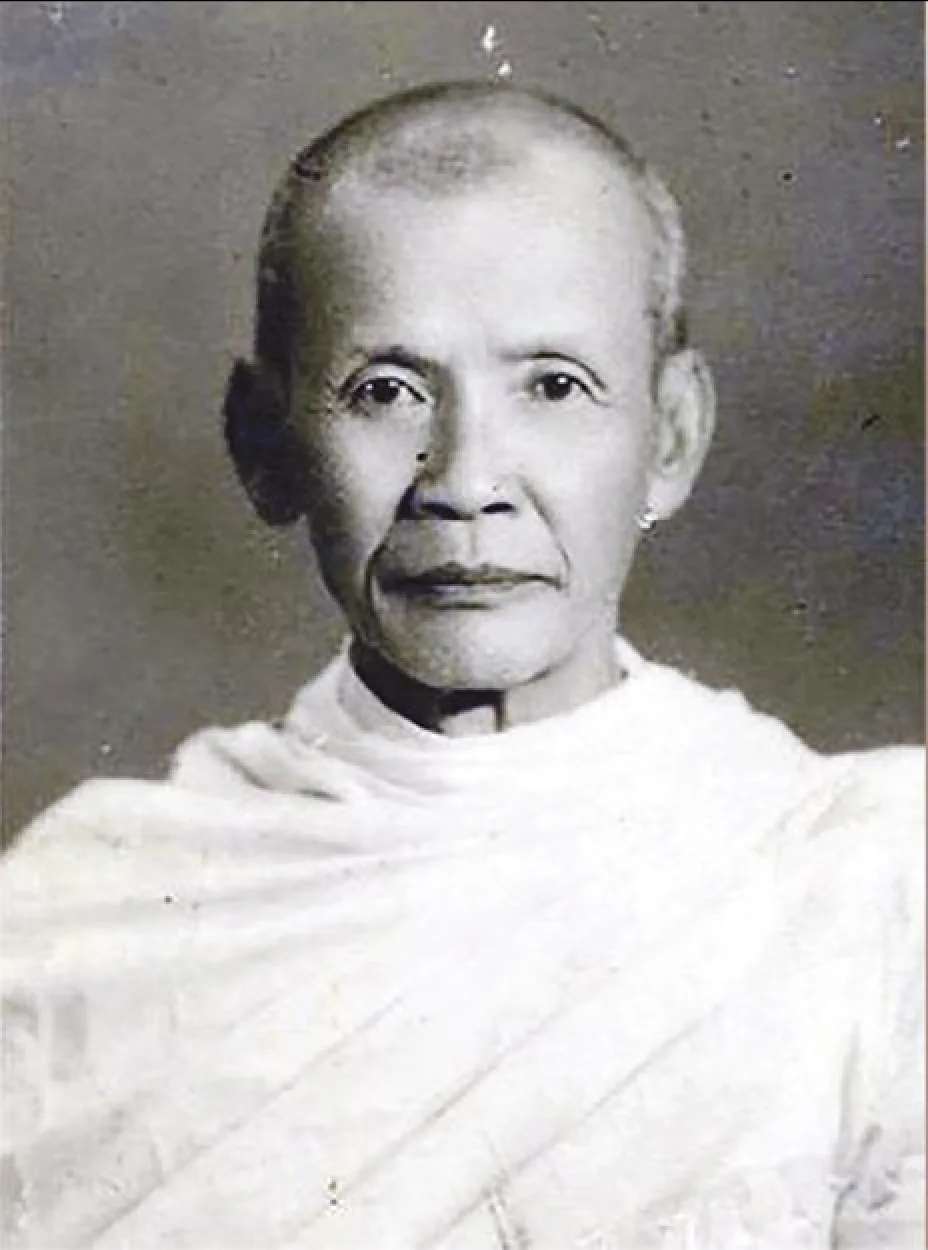
| Monk | Luang Phor Sawang Uttaro, Wat Tha Phuttha, Kamphaeng Phet |
| Temple | Wat Tha Phuttha |
| B.E. Year | 2507 |
| Material | Nur Din |
| Condition | Good |
| SKU | field_amulet_sku |
The Phra Som Kor Luang Phor Sawang Uttaro, Wat Tha Phuttha, Kamphaeng Phet is a mid-20th-century sacred clay Buddha amulet that draws directly from the …
The Phra Som Kor Luang Phor Sawang Uttaro, Wat Tha Phuttha, Kamphaeng Phet is a mid-20th-century sacred clay Buddha amulet that draws directly from the ancient Kamphaeng Phet Som Kor lineage, and it is among the more historically grounded provincial pieces sought by collectors in Singapore and across the region. Cast in BE 2507 under the association of Luang Phor Sawang Uttaro, Wat Tha Phuttha, Kamphaeng Phet, this amulet is regarded in traditional Thai devotional culture as a source of protection, fortunate livelihood, and enduring spiritual support for the wearer.
Kamphaeng Phet province carries a distinctive identity within Thai amulet history, one that is inseparable from the Som Kor form. Later temple releases of the Som Kor type — including this BE 2507 example — are understood not as isolated modern creations but as continuations of a deep provincial sacred current, renewed for contemporary devotees through the sanctity of a recognised local master.
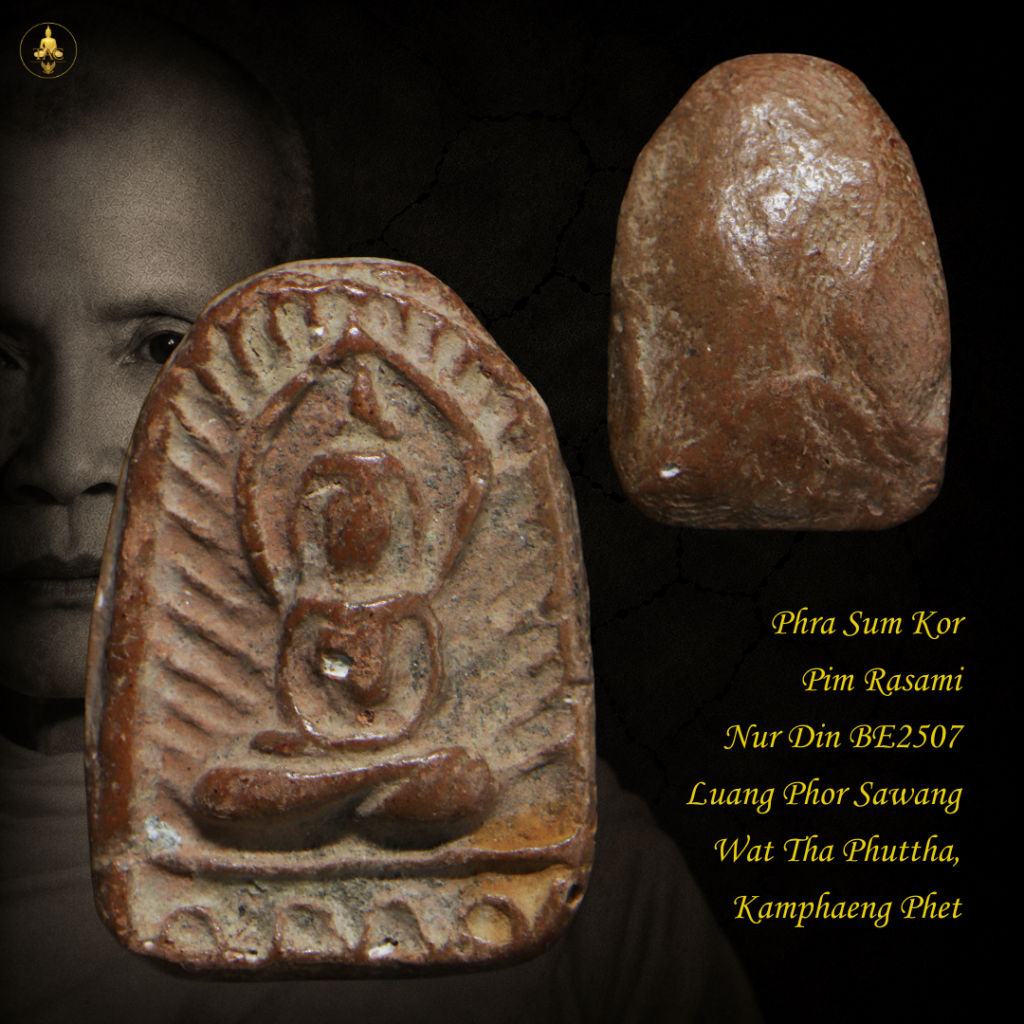
The Pim Rasami designation places this piece within a specific named mold — one defined by a luminous radiant halo framing the seated Buddha image. That named identity gives the amulet clear study value and collector readability, distinguishing it from generic Som Kor variants with incomplete documentation. The association with Luang Phor Sawang Uttaro, Wat Tha Phuttha, Kamphaeng Phet situates the piece within a moment of temple-centred devotional continuity that collectors and devotees alike continue to appreciate.
Phra Som Kor and Wat Tha Phuttha Heritage
Wat Tha Phuttha serves as the lineage anchor for this amulet. A Som Kor originating from this temple is not simply borrowing a well-known Buddha form; it is participating in the broader Kamphaeng Phet sacred tradition, lending the piece the dignity of a recognised regional image while remaining accessible as a wearable mid-20th-century devotional object.
The temple’s role in renewing the Som Kor form during the BE 2507 period reflects a broader Thai Buddhist practice in which monastic communities actively maintained continuity with revered sacred images through periodic consecrated releases. This practice is well documented within the Thai Buddhist amulet tradition, where temple lineage and geographic provenance are considered essential markers of authenticity and spiritual potency.
Pieces from Wat Tha Phuttha carry the combined weight of provincial heritage and direct monastic association. That dual grounding — temple and master — is precisely what gives this Som Kor its sustained relevance among serious collectors across Singapore, Malaysia, and the wider Chinese-speaking collector community.
Nur Din Phra Som Kor — Composition and Craftsmanship
Nur din, or sacred clay, is the material of this Phra Som Kor, and it is a particularly appropriate choice given that the historic Kamphaeng Phet tradition is itself deeply rooted in earthen sacred forms. Clay amulets of this lineage preserve a quieter, more organic surface character than metallic or resin counterparts, reflecting the austere devotional aesthetic associated with provincial Thai Buddhist practice.
The sacred clay body of this piece connects it directly to the long-established clay tablet tradition of the Kamphaeng Phet region. Collectors study the grain texture, mineral or herbal inclusions, edge wear, and overall body stability as indicators of how naturally and consistently the amulet has matured over the decades since BE 2507.
The Pim Rasami pressing gives the front face a stronger aura-like presence than flatter Som Kor variants, with the halo proportion, arch contour, and the calm seated Buddha posture forming the primary visual reference points. The clay body enhances the soft, grounded atmosphere that suits the Som Kor form — a quality that experienced collectors recognise as characteristic of well-preserved nur din amulets from this era.
Spiritual Benefits of Phra Som Kor by Luang Phor Sawang Uttaro, Wat Tha Phuttha, Kamphaeng Phet
Within Thai devotional culture, Phra Som Kor Luang Phor Sawang Uttaro, Wat Tha Phuttha, Kamphaeng Phet amulets are traditionally associated with protection from danger and instability, the cultivation of goodwill in human relations, and consistent support for the wearer’s livelihood and opportunities. When tied to a respected provincial master, devotees may also regard the piece as carrying heightened metta and steadiness during times of uncertainty. These meanings belong to traditional Thai Buddhist belief and should be understood as devotional interpretations.
- Protection: Traditionally regarded as supportive against danger, obstacles, and adverse circumstances that may disrupt the wearer’s stability.
- Metta and goodwill: Many devotees believe the amulet encourages harmonious human relations and a more favourable social presence.
- Fortunate livelihood: The Som Kor lineage is conventionally associated with auspicious opportunities and the assurance that the wearer will never be left without support.
Phra Som Kor BE 2507 — Authentication and Collector Value
This Phra Som Kor BE 2507 does not carry a third-party certification certificate. In the Thai amulet collector community, the absence of a certificate from a recognised certifying body — such as those operated by established amulet associations in Thailand — places greater emphasis on provenance documentation, photographic reference, and the consistency of physical characteristics when assessing authenticity.
For this piece, the combination of a named mold (Pim Rasami), a defined temple attribution, a clear BE year, and a well-documented nur din clay body provides a reliable reference framework for experienced collectors. Named and clearly documented clay amulets from defined provincial lineages tend to retain collector attention more reliably over time than generically catalogued examples.
The rarity of this Phra Som Kor derives from its position as a mid-century provincial release from a temple directly linked to the Kamphaeng Phet Som Kor tradition. Pieces of this type, when found in stable condition with consistent clay maturity and clear visual identity, represent meaningful study objects within any serious collection focused on central Thai regional amulets.
Attributes reflect Thai Buddhist devotional tradition and are not measurable claims.