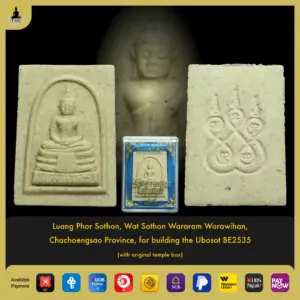
 Luang Phor Sothon, Wat Sothon Wararam Worawihan, Chachoengsao Province, for building the Ubosot BE2535 (with original temple box)
S$10
S$18save S$8 (44%)
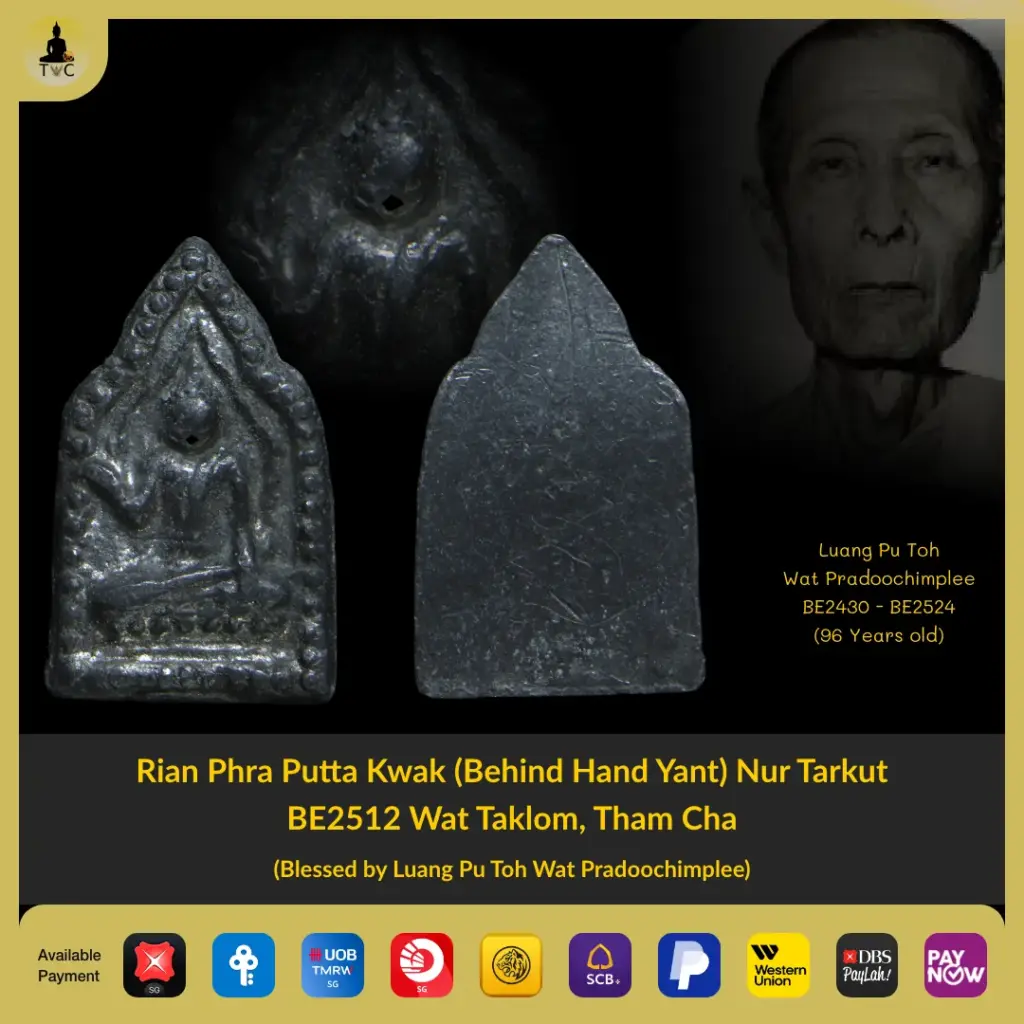
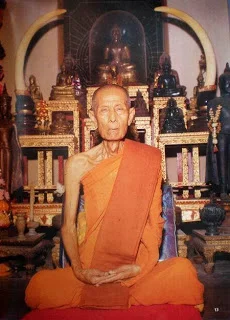
| Monk | Luang Pu Toh (Lp Toh) Wat Pradoochimplee |
| Temple | Wat Pradoochimplee |
| B.E. Year | 2512 |
| Material | Tarkut |
| SKU | TAC-0597 |
Luang Phor Sothon, Wat Sothon Wararam Worawihan, Chachoengsao Province, for building the Ubosot BE2535 (with original temple box)
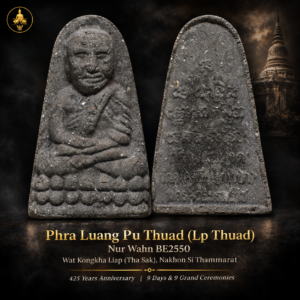 Phra Luang Pu Thuad (Lp Thuad) Nur Wahn BE2550 Wat Kongkha Liap (Tha Sak), Nakhon Si Thammarat (425 Years Anniversary, 9 Days & 9 Grand Ceremonies)
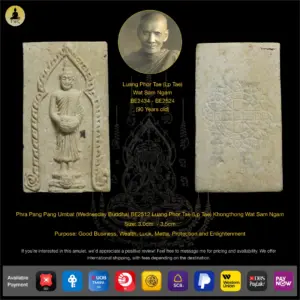 Phra Pang Umbat (Wednesday Buddha) BE2512 Luang Phor Tae (Lp Tae) Khongthong Wat Sam Ngam
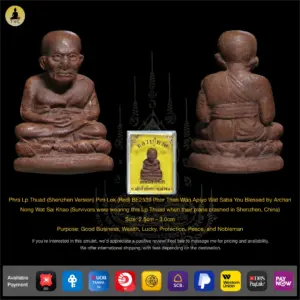 Phra Lp Thuad 龙婆托 (Shenzhen Version) Pim Lek (RED) BE2539 Phor Than Wan Apiyo Wat Saba You Blessed by Archan Nong Wat Sai Khao
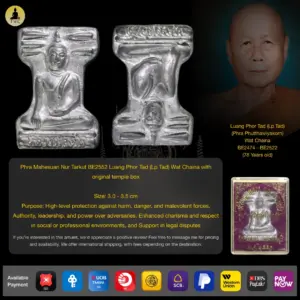 Phra Mahesuan Nur Tarkut BE2552 Luang Phor Tad (Lp Tad) Wat Chaina with original temple box
Each adds this amulet plus the offer at the bundle price — ready at checkout, or mention it when you enquire on WhatsApp.
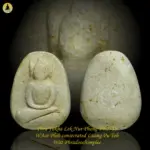
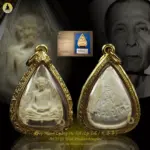
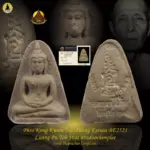
Authentic Rian Phra Putta Kwak (Behind Hand Yant) Nur Tarkut BE2512 Wat Taklom, Tham Cha blessed by Luang Pu Toh (Lp Toh) Wat Pradoochimplee. Tarkut.
The Rian Phra Putta Kwak (Behind Hand Yant) Nur Tarkut BE2512 Wat Taklom, Tham Cha (Blessed by Luang Pu Toh Wat Pradoochimplee) by Luang Pu Toh (Lp Toh) Wat Pradoochimplee is an oval medal struck in nuea tarkut — a casting that incorporates micro takrut (rolled sacred-metal scrolls bearing yant inscriptions) — produced in BE 2512 at Wat Taklom, Tham Cha District, Samut Songkhram Province, and consecrated under a full phutthaphisek ceremony presided over by Luang Pu Toh of Wat Pradoochimplee.
Wat Taklom created this run in BE 2512 as a ceremonial fundraiser to support religious infrastructure at the temple. That was standard practice — amulets served a practical purpose for the issuing temple while giving devotees something tangible to carry. What made this particular medal worth keeping across five decades is the monk who led the blessing.
Luang Pu Toh (Lp Toh) Wat Pradoochimplee, formally known as Luang Pu Toh Intasuwanno, is one of the most widely recognised masters of the 20th century in the Thai Buddhist amulet tradition. His name is closely tied to wealth and metta amulets, including his Phra Somdej Prok Po and the first-batch Phra Putta Chinnaraj. When Wat Taklom secured his participation, they pulled monks from Samut Songkhram and Ratchaburi provinces to join the full phutthaphisek ceremony. The ritual included chanting of Phra Sutta and Khmer katha alongside invocations of both celestial and earth-based protective energies.
Luang Pu Toh did not issue this medal — Wat Taklom did. But his role as the presiding blessing monk is exactly why collectors track it under his lineage.
The nuea (material/substance) here is tarkut — the casting incorporates micro takrut, handwritten yant on rolled sacred-metal sheets, inserted either inside the mold before casting or adhered at the back depending on the batch. The result is a brass or copper-base oval medal with a loop for wearing or enshrinement. It is not a powder amulet and does not carry a long rak pit thong (lacquer-and-gold-leaf finish).
The front carries Phra Putta Kwak — the Buddha in a beckoning gesture, arm raised and open-palmed — historically favoured by merchants and householders. The reverse shows Yant Lang Mue, a sacred inscription laid over an image of a hand, read in the tradition as the transmission of protective energy and metta (loving-kindness) from an enlightened master. The combination of the beckoning Buddha on one side and the yant hand on the other is the defining feature of this pim (mould collectors authenticate against).
True BE 2512 issues from Wat Taklom are rare, particularly with the original takrut intact. Later commemoratives and commercial versions exist, and they circulate. The points that matter for authentication:
No certificate accompanies this piece. That shifts the authentication burden entirely onto the physical medal — casting, markings, and takrut condition. Collectors who focus on the Luang Pu Toh lineage or Phra Kwak amulets are the natural audience. Both communities have reference pieces to cross-check against.
This is a BE 2512 oval tarkut medal from Wat Taklom, Tham Cha, consecrated under a full phutthaphisek presided over by Luang Pu Toh Intasuwanno of Wat Pradoochimplee — a monk whose involvement in any run carries weight with serious collectors. We at TAC consider original-takrut-intact examples from this run genuinely scarce, and the combination of the Phra Kwak obverse and the hand yant reverse makes it a focused reference piece for collectors working either the Luang Pu Toh lineage or Phra Kwak category.
Attributes reflect Thai Buddhist devotional tradition and are not measurable claims.