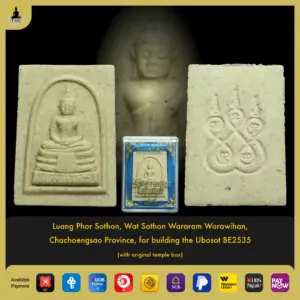
 Luang Phor Sothon, Wat Sothon Wararam Worawihan, Chachoengsao Province, for building the Ubosot BE2535 (with original temple box)
S$10
S$18save S$8 (44%)
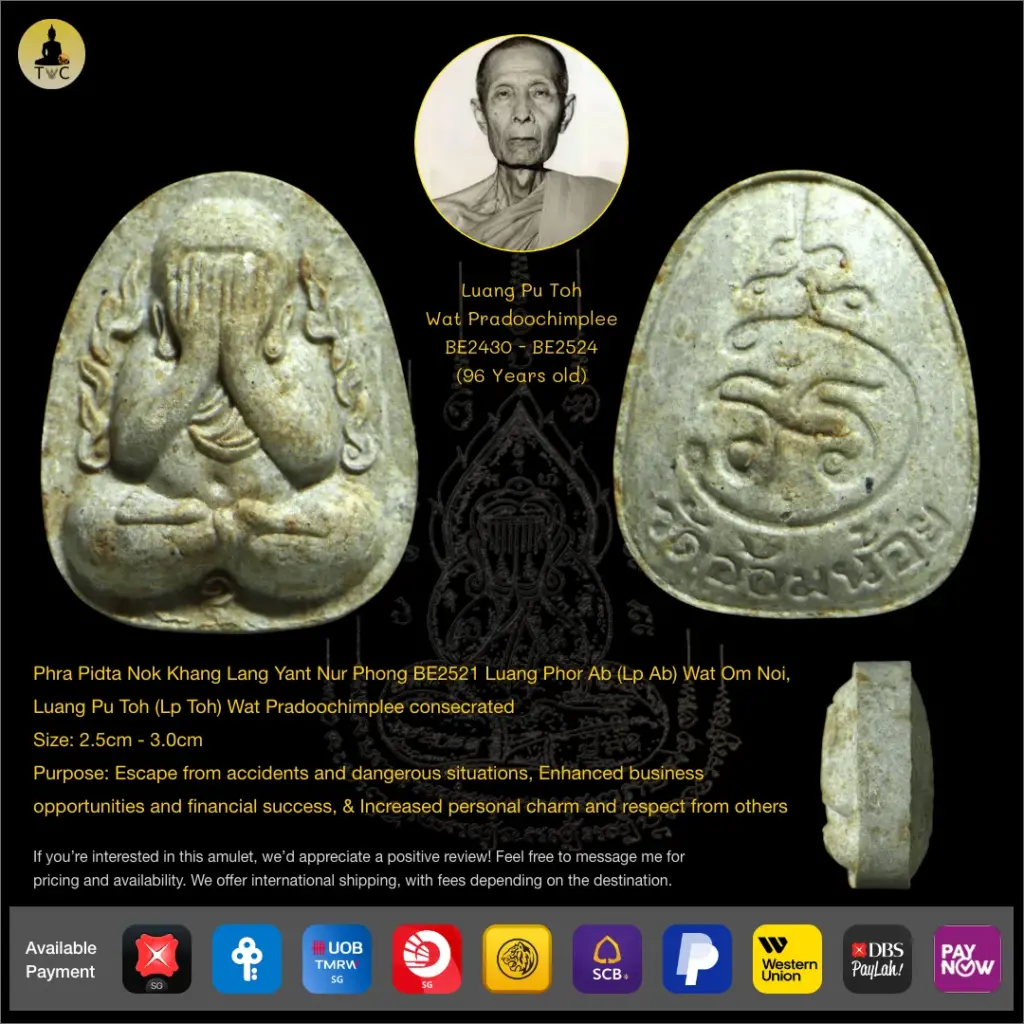
| Type | Phra Pidta |
| Monk | Luang Pu Toh (Lp Toh) Wat Pradoochimplee |
| Temple | Wat Pradoochimplee |
| B.E. Year | 2521 |
| Material | Phong |
| Condition | Good |
| SKU | TAC-0762 |
Luang Phor Sothon, Wat Sothon Wararam Worawihan, Chachoengsao Province, for building the Ubosot BE2535 (with original temple box)
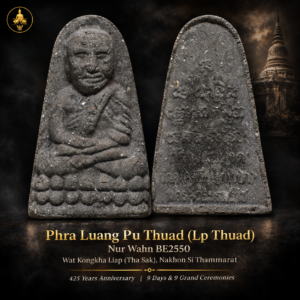 Phra Luang Pu Thuad (Lp Thuad) Nur Wahn BE2550 Wat Kongkha Liap (Tha Sak), Nakhon Si Thammarat (425 Years Anniversary, 9 Days & 9 Grand Ceremonies)
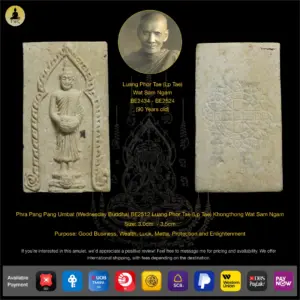 Phra Pang Umbat (Wednesday Buddha) BE2512 Luang Phor Tae (Lp Tae) Khongthong Wat Sam Ngam
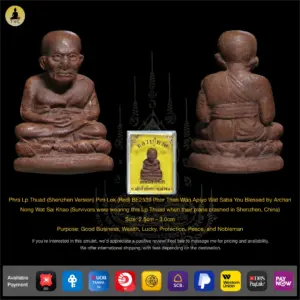 Phra Lp Thuad 龙婆托 (Shenzhen Version) Pim Lek (RED) BE2539 Phor Than Wan Apiyo Wat Saba You Blessed by Archan Nong Wat Sai Khao
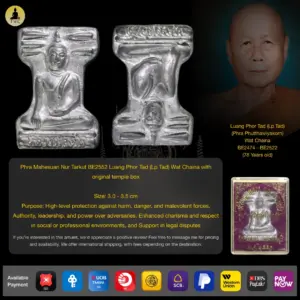 Phra Mahesuan Nur Tarkut BE2552 Luang Phor Tad (Lp Tad) Wat Chaina with original temple box
Each adds this amulet plus the offer at the bundle price — ready at checkout, or mention it when you enquire on WhatsApp.
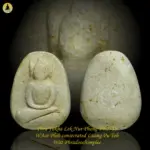
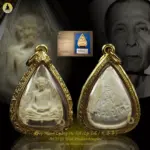
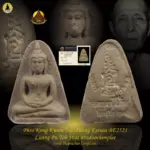
Authentic Phra Pidta by Luang Pu Toh (Lp Toh) Wat Pradoochimplee, BE2521. Phong muan sarn, dual-consecrated with Luang Phor Ab. No cert.
The Phra Pidta Luang Pu Toh (Lp Toh) Wat Pradoochimplee BE2521 is a phong (sacred powder) amulet in the Nok Khang posture — the bat-winged Pidta form — with a yant (sacred inscription) pressed into the reverse. It was created under Luang Phor Ab of Wat Om Noi and consecrated jointly at Wat Om Noi by both masters in 1978.
The phutthaphisek (consecration ceremony) for this batch was held at Wat Om Noi, conducted jointly by Luang Phor Ab and Luang Pu Toh (Lp Toh) Wat Pradoochimplee. Both were among the most respected monks in Thailand at the time. The ceremony involved extended meditation, chanting of ancient Buddhist mantras, and collective invocation of blessings — a full pluk sek (empowerment session) by two senior masters, which is precisely what gives dual-consecration pieces their weight in the collector community.
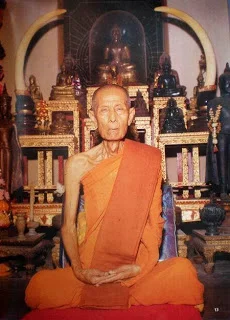
Luang Pu Toh’s connection to Wat Pradoochimplee is central to how collectors assess this piece. His standing within the broader Thai Buddhist amulet tradition means his involvement in any batch draws serious attention, and his participation here alongside Luang Phor Ab makes this a genuinely collaborative edition rather than a single-temple release.
The nuea (material/substance) is phong — a muan sarn (sacred powder blend) incorporating Phong Itthijay, Phong Maharach, and Phong Trinisinghae. Pressed into that base are broken fragments of older Phra Pidta amulets from established temples, powder scraped from holy scriptures written by revered monks, and traditional auspicious herbs. Each element was selected to reinforce both protective and Metta Mahaniyom (loving-kindness and prosperity) qualities.
The front shows the Pidta in the classic Nok Khang posture — hands covering the eyes, bat-wings flanking the body. The reverse carries a pressed yant. No lacquer or gold-leaf finish is applied; the phong surface is left as-cast, which is standard for this type of powder piece and is one of the details collectors check against reference examples.
There is no third-party certificate for this amulet — authentication rests entirely on physical examination against known reference pieces. The muan sarn composition, the clarity of the Nok Khang pim (mould), the sharpness of the yant on the reverse, and consistent surface ageing are the four points experienced collectors check first.
Buying from a dealer who can show comparables is the practical safeguard here. Without a cert, provenance and reference documentation carry the full burden of authentication.
Luang Pu Toh of Wat Pradoochimplee needs little introduction to serious Thai amulet collectors — his consecrations carry considerable weight in the Bangkok amulet community, and his collaborative work with Luang Phor Ab of Wat Om Noi on this BE2521 batch makes the dual-monk provenance one of its most distinguishing features. The use of compound phong materials — incorporating Phong Itthijay, Phong Maharach, and Phong Trinisinghae alongside ground fragments of antique Phra Pidta amulets — reflects a traditional craftsmanship approach that is increasingly rare in post-BE2521 batches. The distinctive Nok Khang (bat-wing) form combined with a yantra relief on the reverse gives this piece visual character beyond the standard Pidta typology, and it is precisely this combination of iconographic detail and dual-master consecration that collectors in our network consistently seek out.
Attributes reflect Thai Buddhist devotional tradition and are not measurable claims.