 Luang Phor Sothon, Wat Sothon Wararam Worawihan, Chachoengsao Province, for building the Ubosot BE2535 (with original temple box)
S$10
S$18save S$8 (44%)
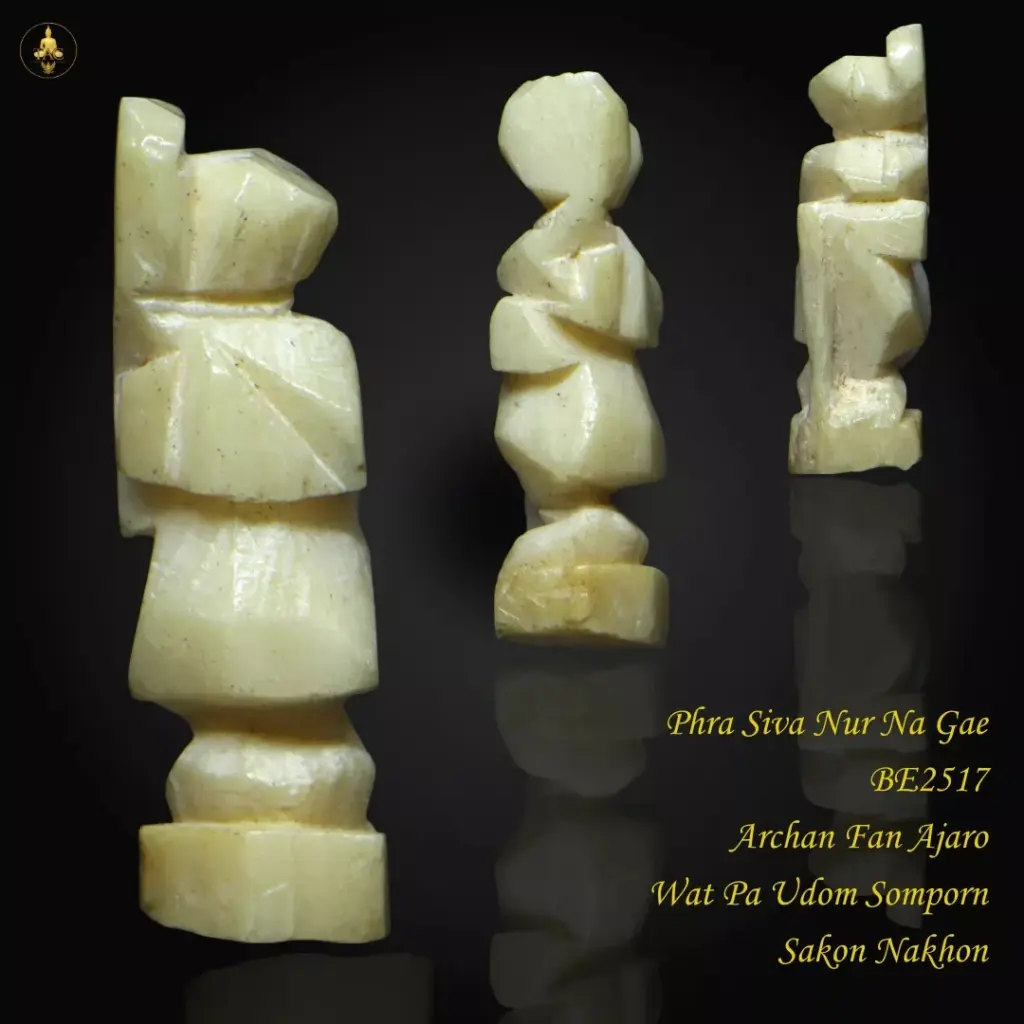
| Type | Phra Sivali |
| Monk | Phra Archan Fan Ajaro – Wat Pa Udom Somporn |
| Temple | Wat Pa Udom Somporn |
| B.E. Year | 2517 |
| Material | Na Gae |
| SKU | TAC-0809 |
Luang Phor Sothon, Wat Sothon Wararam Worawihan, Chachoengsao Province, for building the Ubosot BE2535 (with original temple box)
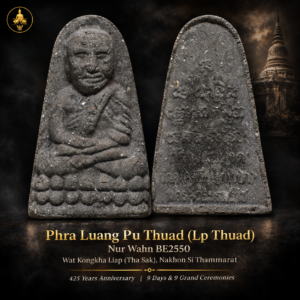 Phra Luang Pu Thuad (Lp Thuad) Nur Wahn BE2550 Wat Kongkha Liap (Tha Sak), Nakhon Si Thammarat (425 Years Anniversary, 9 Days & 9 Grand Ceremonies)
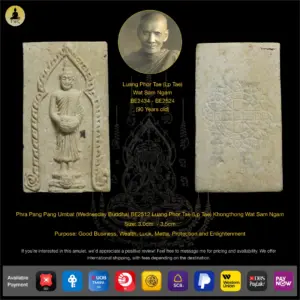 Phra Pang Umbat (Wednesday Buddha) BE2512 Luang Phor Tae (Lp Tae) Khongthong Wat Sam Ngam
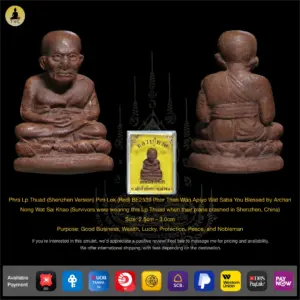 Phra Lp Thuad 龙婆托 (Shenzhen Version) Pim Lek (RED) BE2539 Phor Than Wan Apiyo Wat Saba You Blessed by Archan Nong Wat Sai Khao
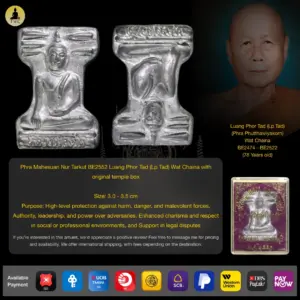 Phra Mahesuan Nur Tarkut BE2552 Luang Phor Tad (Lp Tad) Wat Chaina with original temple box
Each adds this amulet plus the offer at the bundle price — ready at checkout, or mention it when you enquire on WhatsApp.
Authentic Phra Sivali by Phra Archan Fan Ajaro – Wat Pa Udom Somporn, Wat Pa Udom Somporn BE2517. Nuea na gae sacred alloy. Singapore dealer TAC.
The Phra Sivali Phra Archan Fan Ajaro – Wat Pa Udom Somporn is a sacred metal amulet cast in nuea (material/substance) na gae — a mature sacred alloy — dated BE 2517 and associated with Phra Archan Fan Ajaro of Wat Pa Udom Somporn, Sakon Nakhon. It presents the Sivali arhat image within a respected Thai forest-tradition temple context.
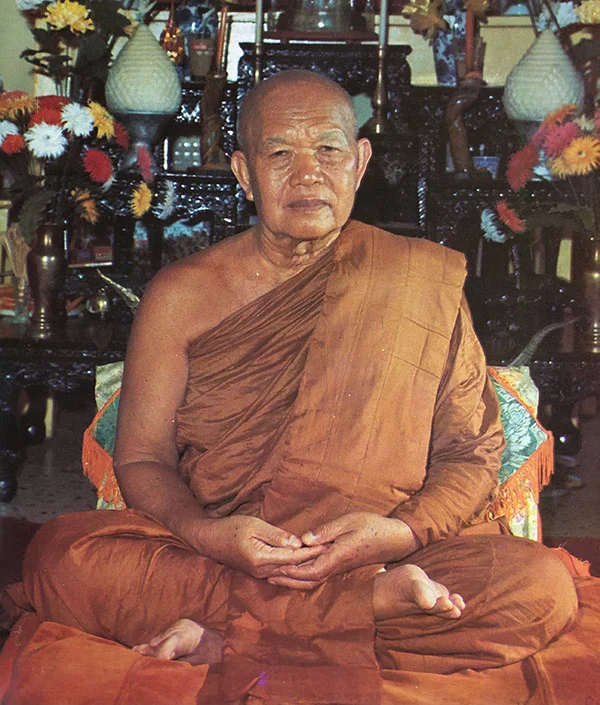
Phra Archan Fan Ajaro – Wat Pa Udom Somporn is one of the most respected names in the Thai forest tradition. Collectors who follow the kammatthana lineage — the strict meditation-forest line — treat his association with an amulet as meaningful in itself, separate from image type or material. That standing is the first thing serious buyers check when a piece like this comes up.
Wat Pa Udom Somporn in Sakon Nakhon is directly tied to his legacy. Amulets from this temple carry a reputation for spiritual austerity rather than decorative ambition. The forest-lineage context also shapes how collectors approach these pieces: monk association and sacred intent come first; surface finish and elaborate design are secondary. That framing gives this Phra Sivali a grounded, specific identity within the broader Thai Buddhist amulet tradition.
Na gae sits within the broader nawa sacred metal family. Collectors typically read it as a mature alloy — darker in tone, with a classical temple-metal character that develops distinctly as the piece ages. This is not a soft powder-based amulet where you study compression and surface crisp; with na gae, the reading is about patina balance, alloy tone across the relief, and how the metal settles into the recesses of the design over decades.
For a BE 2517 piece — now over fifty years old — that age expression is part of the identity. Natural tone in the protected and recessed areas, consistent metal body, and clear relief definition are what collectors focus on. Warm or darkened surface character is normal age expression for this alloy, not a red flag by itself.
Phra Sivali is a well-defined arhat figure in Thai sacred-object culture, typically depicted in a standing or walking posture that signals travel and provision. That immediately distinguishes this from standard Buddha-form issues. Collectors study the front image, reverse pattern, relief depth, and the metal field together — the harmony between image and alloy is central to how the piece reads as a whole.
Exact production figures for this specific BE 2517 na gae issue are not documented in available records. The measured collector position is to stay anchored to what is confirmed: Phra Sivali image, nuea na gae, BE 2517 date, and the Archan Fan Ajaro / Wat Pa Udom Somporn association. That combination is already a more specific profile than a later generic commemorative, and it makes the piece particularly relevant to collectors focused on forest-tradition temple material or auspicious Sivali imagery. No certificate accompanies this piece, so authentication rests on the physical reading of the alloy and image.
Authentication of this Phra Sivali Phra Archan Fan Ajaro – Wat Pa Udom Somporn centres on reading the nuea na gae correctly. Natural patina depth in recessed areas, consistent alloy tone across the body, and clear relief definition on the Sivali image are the primary markers. Because no certificate accompanies this piece, the physical reading carries full weight — collectors cross-reference against known BE 2517 examples from Wat Pa Udom Somporn where possible. Rim character, overall weight-to-size feel, and how the metal has aged on both front and reverse are all part of that assessment.
This BE 2517 Phra Sivali in nuea na gae is one of the more specific forest-lineage pieces we carry — the Archan Fan Ajaro and Wat Pa Udom Somporn association gives it a clear identity that generalist commemoratives simply don't have. For collectors focused on kammatthana-lineage material or the Sivali image type, this is worth a close look at the price point.
Attributes reflect Thai Buddhist devotional tradition and are not measurable claims.