Phra Kring Lang Yant BE2500-2513 Chao Khun Nor Wat Thepsirin (Silver plated embedded at the bottom)
| Type | Phra Kring |
| Monk | Chao Khun Nor Wat Thepsirin |
| Temple | Wat Thepsirin |
| B.E. Year | 2500 |
| SKU | TAC-0169 |
Authentic Phra Kring Lang Yant by Chao Khun Nor Wat Thepsirin, BE2500–2513. Silver-plated base plate, lang yant reverse. No certificate.
What is the Phra Kring Lang Yant by Chao Khun Nor Wat Thepsirin?
The Phra Kring Chao Khun Nor Wat Thepsirin Lang Yant is a Medicine Buddha amulet produced across the BE2500–2513 period (1957–1970) at Wat Thepsirin, Bangkok. It features a seated Phra Kring front, a yant (sacred inscription) reverse, and a silver-plated plate embedded at the base — a distinctive detail collectors use to identify this line.
Chao Khun Nor and why this line carries weight
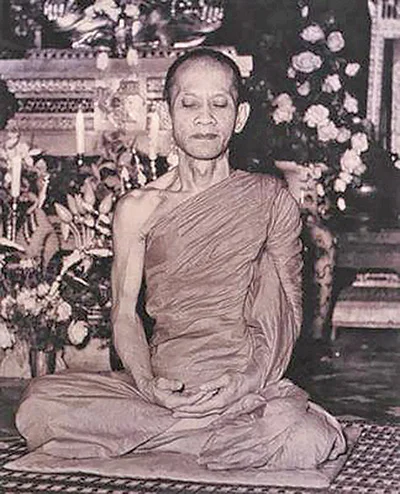
Chao Khun Nor, formally titled Phra Norarat Rajamanit, was born in BE2440 (1897) and ordained in BE2468 (1925) at Wat Thepsirin. He spent his entire monastic life at the same temple — no moving around, no high-profile circuit appearances. He passed in BE2514 (1971).
His reputation among collectors rests on strict Vinaya discipline and consistent meditation practice. That is the profile serious collectors look for when evaluating a monk’s amulet line: somebody who kept their practice clean and their focus inward, across decades. The Phra Kring Chao Khun Nor Wat Thepsirin sits squarely in that category.
How this piece was made and what sets it apart physically
The BE2500–2513 span is not a single-event consecration. Collectors and temple documentation describe it as a multi-occasion pluk sek (consecration ceremony) environment — repeated chanting sessions and empowerment over time rather than one ceremony and done. That continuity is part of what makes this line appealing to collectors who prefer steady, discipline-grounded production over flashy one-day events.
Three physical details define the pim (mould) collectors authenticate against:
- Front: Phra Kring seated in meditative posture — facial serenity and posture proportion are the primary reference points.
- Back: lang yant — the sacred diagram inscription. Collectors check line clarity and placement balance; blurred or off-centre yant lines raise questions.
- Base: a silver-plated plate embedded at the bottom. This feature should sit flush and read as integral to the piece, not added after the fact.
The silver plate at the base is the most visible marker for this run. Within the broader Thai Buddhist amulet tradition, embedded base plates carry associations with purity and clarity — collectors also use them as a physical consistency check when comparing pieces side by side.
What collectors focus on when evaluating this piece
No certificate is noted for this piece. That shifts authentication work entirely to physical inspection and provenance context. The Wat Thepsirin and Chao Khun Nor attribution is the narrative anchor — both are well-documented, and cross-referencing against known examples is the standard approach here.
Beyond the base plate, collectors look at surface character across the front and back. Age-consistent wear, yant legibility, and facial detail on the Phra Kring form are the main checkpoints. A piece where the yant lines are sharp but the surface shows no age, or vice versa, deserves closer scrutiny. This edition was created partly to support Wat Thepsirin’s upkeep and charitable activities, so documented temple provenance strengthens a piece’s standing among serious buyers.
Collectors traditionally associate this type of Phra Kring with health focus, mental steadiness, and protection — themes drawn directly from Medicine Buddha iconography. Those beliefs are part of why devotees continue to seek out this line, but individual pieces are valued on physical and provenance merits first.
This Phra Kring Lang Yant from Chao Khun Nor (Phra Norarat Rajamanit) of Wat Thepsirin is one of the quieter, more discipline-grounded pieces we carry at TAC — the monk's strict Vinaya reputation and the multi-occasion consecration context over BE2500–2513 make it a considered buy for collectors who value lineage over ceremony.
Attributes reflect Thai Buddhist devotional tradition and are not measurable claims.