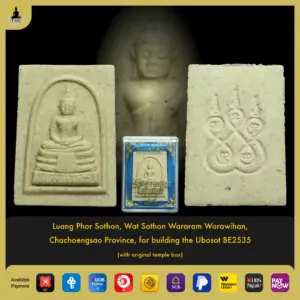
 Luang Phor Sothon, Wat Sothon Wararam Worawihan, Chachoengsao Province, for building the Ubosot BE2535 (with original temple box)
S$10
S$18save S$8 (44%)
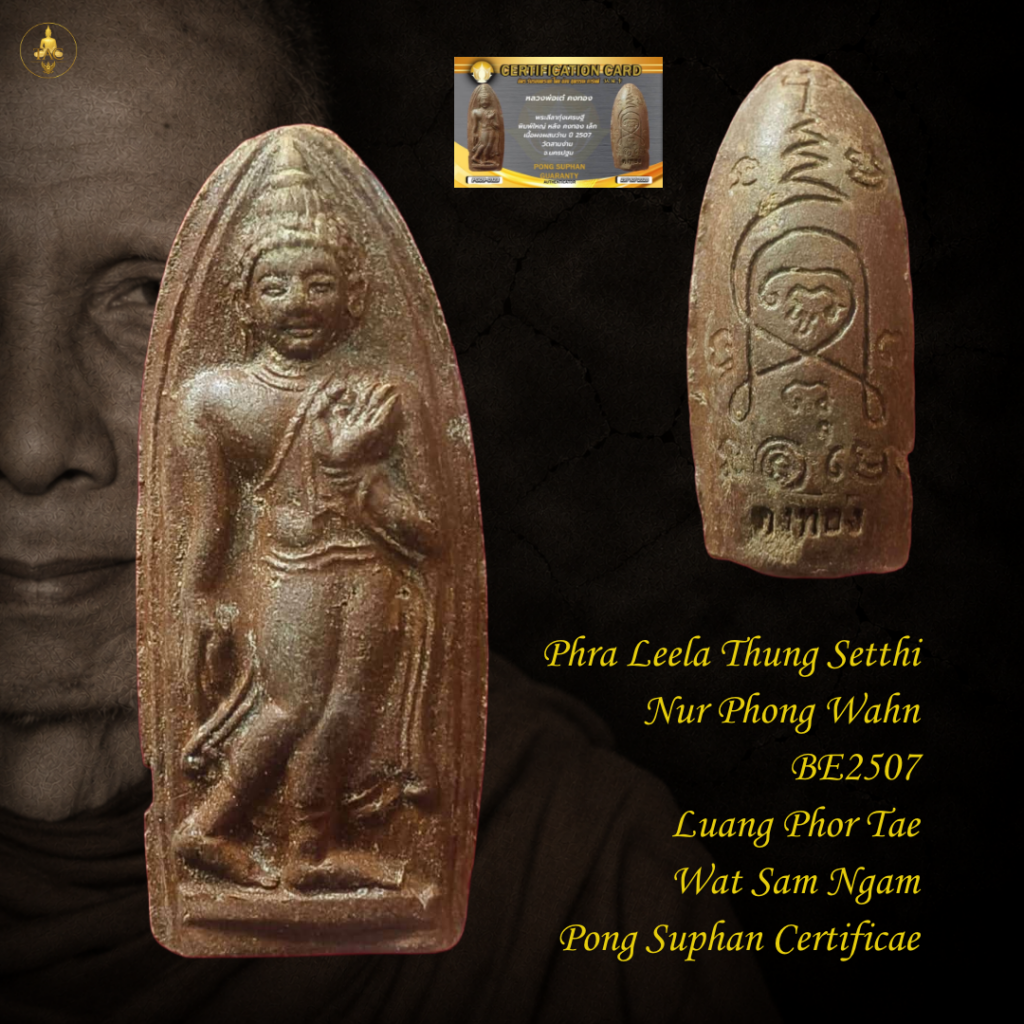
| Type | Phra Leela Thung Setthi Roon Rae |
| Monk | Luang Phor Tae (Lp Tae) Wat Sam Ngam |
| Temple | Wat Sam Ngam |
| B.E. Year | 2507 |
| Material | Nur Phong Wahn |
| Condition | Very Good |
| Certificate | Pong Suphan |
| SKU | TAC-PhraLeelaThungSetthiRoonRae-LpTae-001 |
Luang Phor Sothon, Wat Sothon Wararam Worawihan, Chachoengsao Province, for building the Ubosot BE2535 (with original temple box)
 Phra Luang Pu Thuad (Lp Thuad) Nur Wahn BE2550 Wat Kongkha Liap (Tha Sak), Nakhon Si Thammarat (425 Years Anniversary, 9 Days & 9 Grand Ceremonies)
 Phra Pang Umbat (Wednesday Buddha) BE2512 Luang Phor Tae (Lp Tae) Khongthong Wat Sam Ngam
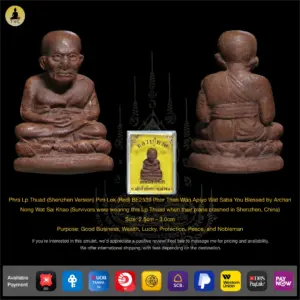 Phra Lp Thuad 龙婆托 (Shenzhen Version) Pim Lek (RED) BE2539 Phor Than Wan Apiyo Wat Saba You Blessed by Archan Nong Wat Sai Khao
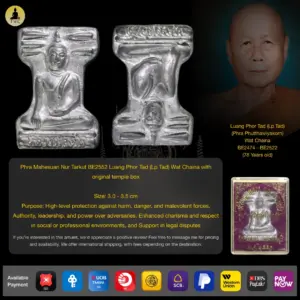 Phra Mahesuan Nur Tarkut BE2552 Luang Phor Tad (Lp Tad) Wat Chaina with original temple box
Mention any of these when you enquire on WhatsApp, or add at checkout with the amulet.
Authentic Phra Leela Thung Setthi Roon Rae Luang Phor Tae, Wat Sam Ngam BE 2507. Nur Phong Wahn, 117 sacred herbs. Certified Pong Suphan. Singapore dealer TAC.
The Phra Leela Thung Setthi Roon Rae Luang Phor Tae is the first-edition walking-Buddha amulet produced at Wat Sam Ngam, Nakhon Pathom Province, in BE 2507 (1964). Pressed from Nur Phong Wahn — a sacred-herb powder blend incorporating 108 types of wahn (sacred herbs) plus 9 Setthi herbs, totalling 117 — it carries a Pong Suphan certificate and is one of the pieces from that temple that collectors consistently track down.
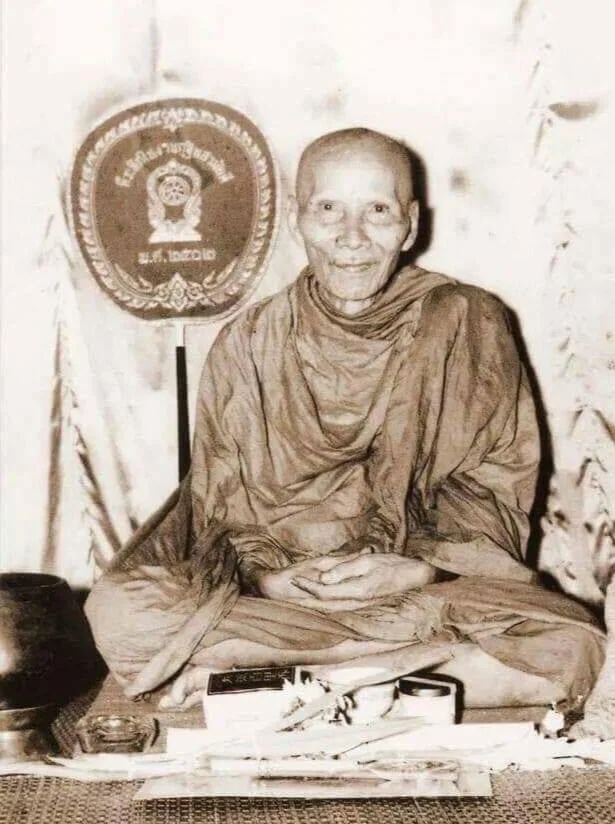
Luang Phor Tae Kongthong of Wat Sam Ngam is one of the master monks whose powder amulets are taken seriously by collectors across Thailand and the region. His muan sarn — the blend of sacred powders, herbs and materials used in a piece — was composed with care, and the Thung Setthi series in particular has a clear purpose built into the material itself.
The first edition, roon raek, is what you want. Both the large and small versions of the Phra Leela Thung Setthi from BE 2507 now trade at several thousand baht, and demand for clean examples has only grown. This listing is the small version. It has been in our collection for a long time, so the age and the nuea (substance) are what you would expect from a genuine piece of this era.
For more context on the temple and LP Tae’s other works, see Wat Sam Ngam. And for a broader grounding in how Thai Buddhist amulet traditions developed, the Thai Buddhist amulet tradition article on Wikipedia is a reasonable starting point.
Nur Phong Wahn translates roughly as sacred-herb powder. The standard Thung Setthi formula uses 108 types of wahn selected for their properties relating to compassion, popularity and fortune. LP Tae added a further 9 Setthi herbs — herbs associated specifically with wealth and prosperity — bringing the count to 117. That addition is not decorative; it is what makes this series distinct from a general phong wahn piece.
The pim (mould) depicts the Buddha in a graceful walking posture — Phra Leela — which in Thai Buddhist iconography signifies forward movement, advancement and the opening of opportunity. For a wealth-focused amulet, the choice of posture is deliberate.
Condition note: there is a very minor chip on the outer edge, consistent with the thinness of the border on this pim. The image itself — the face, the robe lines, the posture — is sharp and clear.
This piece carries a Pong Suphan certificate. When you examine the amulet, the key authentication points are:
The four principal qualities collectors and devotees associate with this amulet:
The small size makes it easy to wear daily without bulk. Business owners, traders and those whose work depends on client relationships tend to reach for the Thung Setthi series most naturally — the Setthi herb formula and the wealth-advancing posture align well with that daily context. Those in salaried roles who deal with internal stakeholders or who need goodwill to move projects forward also carry it for the Metta and Maha Saneh qualities. For practitioners who use their amulet as a focus during meditation, LP Tae’s tradition provides a specific incantation for this piece: Iti Sukhato Arahang Buddho Namo Buddhaya Setthi Dhanang Labhang Hotu — recite it when worshipping or invoking the amulet. As always, these associations are what collectors and devotees hold from tradition; wear it with sincerity and respect.
This is a first-edition Phra Leela Thung Setthi — roon raek — from Luang Phor Tae Kongthong, BE 2507, pressed in Nur Phong Wahn with the full 117-herb Setthi formula. It carries a Pong Suphan certificate, and the image is sharp; there is a minor edge chip consistent with the thin border on this pim, which you will see on many genuine examples of this size. For a collector looking for a certified first-edition wealth amulet from Wat Sam Ngam at a price that still makes sense, this is the piece to look at seriously.
Attributes reflect Thai Buddhist devotional tradition and are not measurable claims.