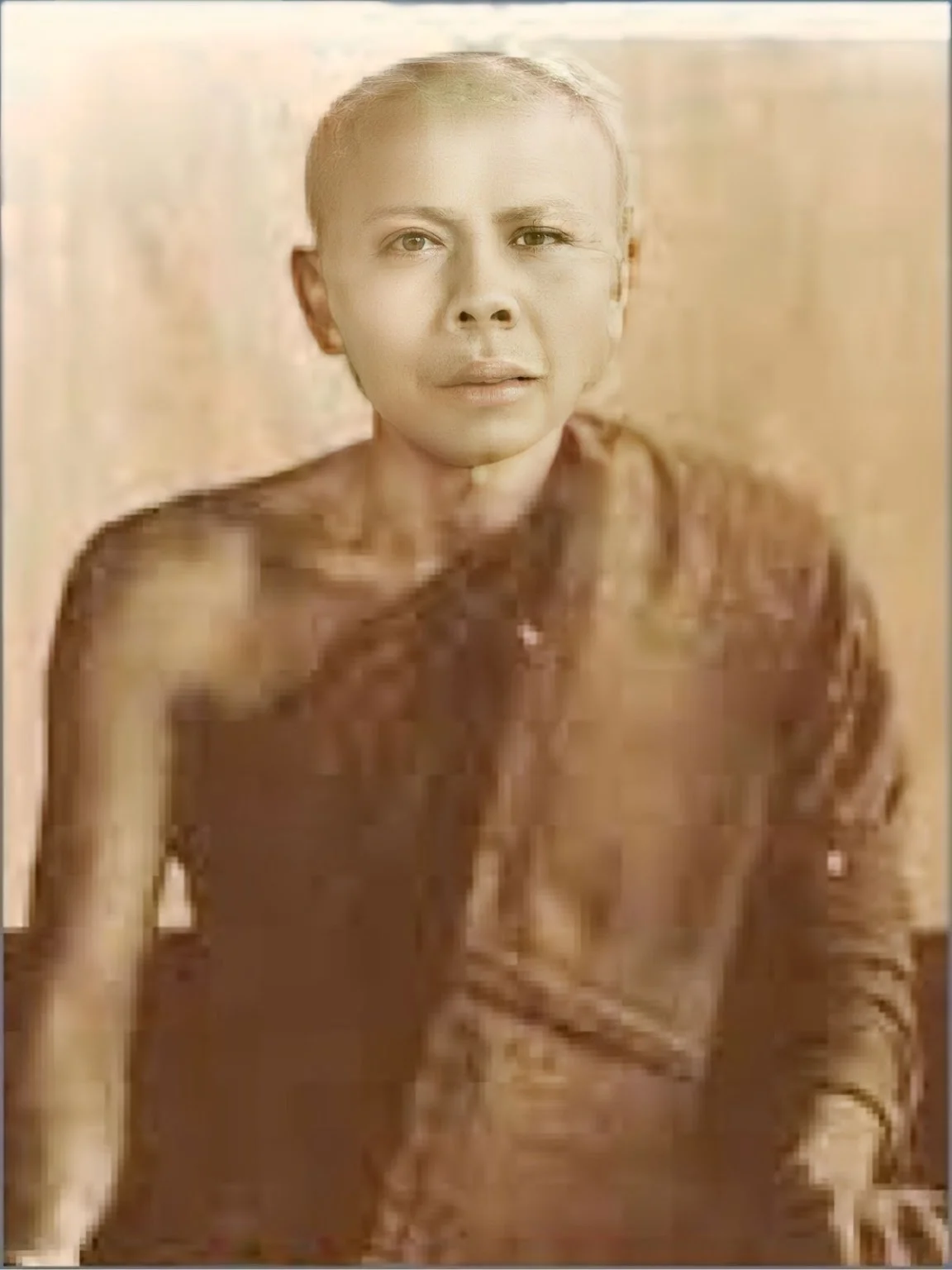
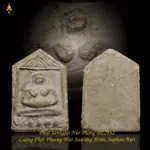
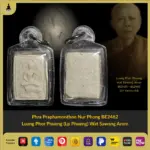
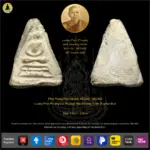
Phra Phong Pim Chiang Saen BE2460 – BE2462 Luang Phor Phueng (Lp Phueng) Wat Sawang Arom, Suphan Buri
| Type | Phra Somdej |
| Monk | Luang Phor Phueng (Lp Phueng) Wat Sawang Arom, Supan Buri |
| Temple | Wat Sawang Arom |
| B.E. Year | 2460 |
| SKU | TAC-0547 |
Authentic Phra Somdej by Luang Phor Phueng (Lp Phueng) Wat Sawang Arom, Supan Buri. BE 2460–2462, seven-component sacred powder, Chiang Saen pim.
What is the Phra Somdej Luang Phor Phueng (Lp Phueng) Wat Sawang Arom, Supan Buri, BE 2460?
The Phra Somdej Luang Phor Phueng (Lp Phueng) Wat Sawang Arom, Supan Buri is a sacred powder amulet pressed in the Chiang Saen artistic style, produced at Wat Sawang Arom between BE 2460 and BE 2462. The nuea (material/substance) combines seven distinct phong (sacred powder) components, hand-pressed and consecrated over several months by Luang Phor Phueng alongside senior monks.
Luang Phor Phueng and why Wat Sawang Arom collectors pay attention
Luang Phor Phueng (Lp Phueng) Wat Sawang Arom, Supan Buri created this batch for two practical reasons: to fund the development and restoration of his temple, and to supply devotees with a protective amulet grounded in traditional Buddhist practice. That dual purpose — institutional and devotional — is common among the most documented amulet editions from the early Rattanakosin period.
Suphan Buri province has produced a consistent line of respected monk-teachers, and Luang Phor Phueng sits within that tradition. Pieces from his hand are not easy to find in above-average condition given their age — over a century old as of now. That scarcity drives collector interest more than any single story about the monk himself.
The broader context for pieces like this one sits within the Thai Buddhist amulet tradition, where early twentieth-century editions from provincial temples are now documented with increasing rigour by specialist committees in Thailand.
The muan sarn: what went into the phong blend
The muan sarn for this pim (the mould collectors authenticate against) draws on seven phong components. Each was documented in the original records of the batch:
- Pong Ittijae — associated in tradition with compassion and personal influence
- Pong Tri-ni-singhe — carried for protection against misfortune
- Pong Pattamung — linked to resilience and commercial endeavour
- Pong Maharaj — associated with authority and command of respect
- Pong Buddhakun — connected to wisdom and spiritual progress
- Shell lime and incense ash — added for purity and binding
- Flowers from temple ceremonies — collected from active ritual use at Wat Sawang Arom
Each tablet was hand-pressed following methods consistent with early twentieth-century provincial practice. The pim follows the Chiang Saen artistic tradition: a Buddha seated in meditative posture, with the proportions and surface detail that style is known for — rounder facial features, a particular treatment of the ushnisha (topknot), and tightly rendered robe lines.
The pluk sek (consecration ceremony) ran over several months. Luang Phor Phueng led the chanting, with 108-thread protective circles laid around the consecration site. Continuous Dhamma recitation continued through the full period of BE 2460 to BE 2462.
What a collector looks for in this piece
Age alone makes due diligence essential. A genuine tablet from this batch will show surface characteristics consistent with over a century of natural aging — specific powder texture, colour depth, and any wear patterns that align with the documented nuea composition. No certificate is listed for this piece, which is not uncommon for early provincial editions, but it does mean authentication rests squarely on physical examination against reference pieces.
Key points collectors cross-check:
- Pim profile matching documented Chiang Saen-style proportions from this batch
- Powder surface consistent with the seven-component muan sarn — texture, density, and aged patina
- Absence of modern binder or filler materials detectable under magnification
- Provenance trail or prior ownership record, where available
Because no committee certificate is attached, collectors with less experience in early Suphan Buri pieces should seek a second opinion from a specialist before acquiring. That is standard practice for any uncertified pre-war edition.
We at TAC are offering this Phra Phong Pim Chiang Saen from Luang Phor Phueng (Lp Phueng) Wat Sawang Arom, Supan Buri, produced between BE 2460 and BE 2462 — a piece now over a century old with a well-documented muan sarn of seven phong components and a Chiang Saen-style pim consistent with the period. For collectors focused on early 20th-century Suphan Buri material, this is an uncommon opportunity given the limited original production window. No certificate accompanies this piece, so we recommend buyers review the authentication notes above and consult reference material before committing.
Attributes reflect Thai Buddhist devotional tradition and are not measurable claims.