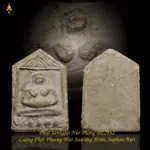
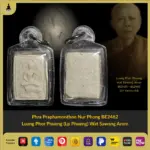
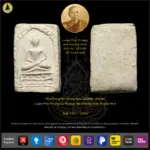
Phra Phong Pim Samlian BE2460 – BE2462 Luang Phor Phueng (Lp Phueng) Wat Sawang Arom, Suphan Buri
| Type | Phra Somdej |
| Monk | Luang Phor Phueng (Lp Phueng) Wat Sawang Arom, Supan Buri |
| Temple | Wat Sawang Arom |
| B.E. Year | 2460 |
| SKU | TAC-0136 |
Authentic Phra Somdej by Luang Phor Phueng (Lp Phueng) Wat Sawang Arom, Supan Buri, BE 2460–2462. Sacred phong nuea, pim samlian. No cert. Singapore dealer TAC.
What is the Phra Somdej Luang Phor Phueng (Lp Phueng) Wat Sawang Arom, Supan Buri, BE 2460?
The Phra Somdej Luang Phor Phueng (Lp Phueng) Wat Sawang Arom, Supan Buri is a sacred powder amulet pressed in the pim samlian (diamond/square mould) between BE 2460 and BE 2462 at Wat Sawang Arom, Song Phi Nong District, Suphan Buri. The nuea (material/substance) combines sacred phong (powders) and flower pollens gathered from Buddhist ceremonies. Luang Phor Phueng conducted continuous consecration over six months before distribution to temple supporters.
Who was Luang Phor Phueng, and why does his lineage matter to collectors?
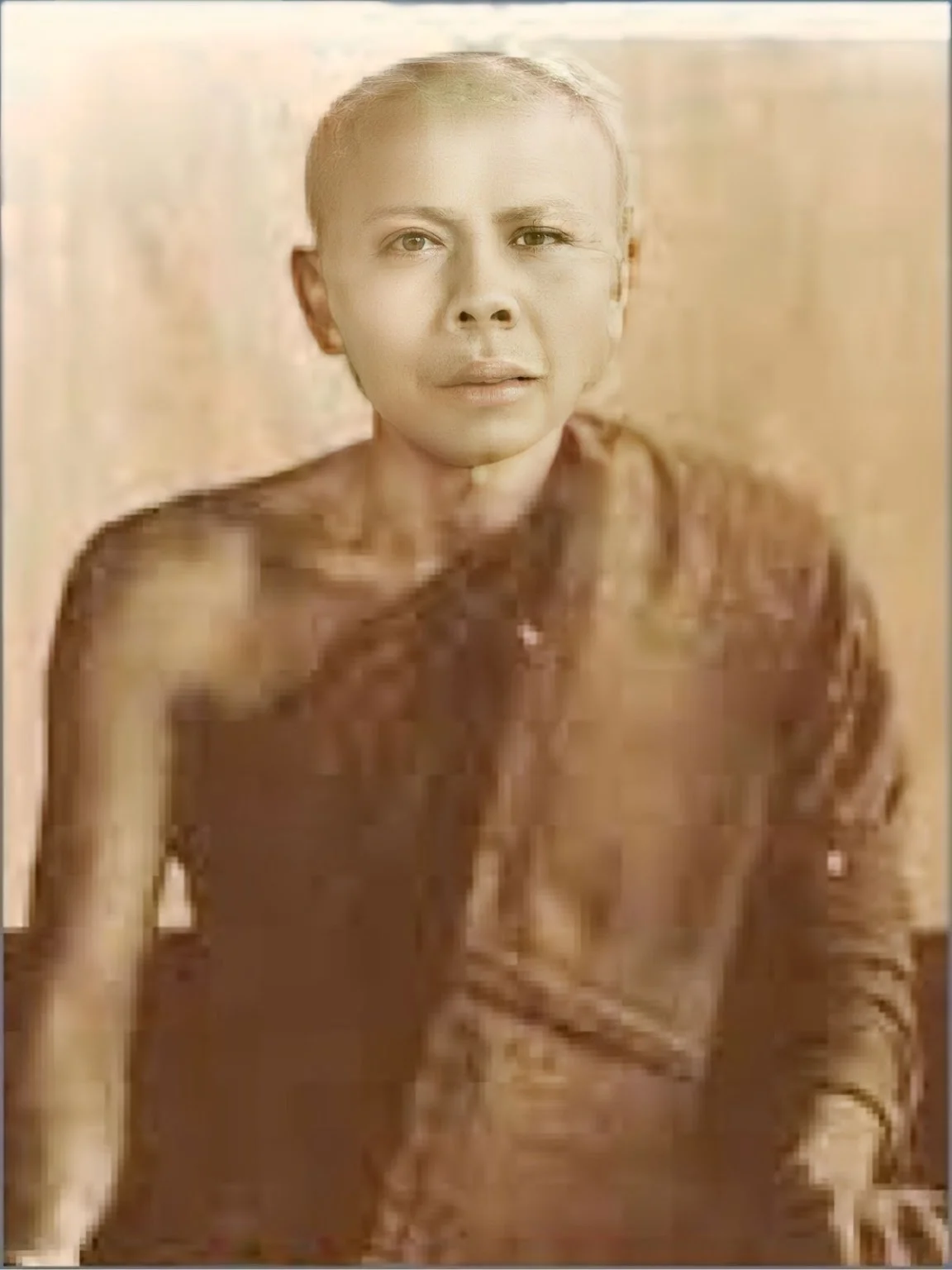
Luang Phor Phueng (Lp Phueng) Wat Sawang Arom, Supan Buri was born in 1883 in Ban Phai Mu, Tambon Ton Tan, Song Phi Nong, Suphan Buri. His family were farmers; after his parents separated, he was raised by his mother and began studying Thai, Khmer, chanting, and Buddhist scriptures under Luang Phor Saeng at Wat Khlong Madan.
He was ordained in 1945 at Wat Song Phi Nong under preceptor Phra Palat Bunyang. His teachers included Luang Phor Niang Inthachoto and Luang Phor Nong Inthawanno. Among his fellow students were Luang Phor Sod — later the abbot of Wat Pak Nam — and Luang Phor Hom. The three studied Vipassana meditation together at Wat Khao Yai, Tha Maka District, Kanchanaburi, under Luang Phor Plueum.
That training lineage is what serious collectors track. Being a peer of Luang Phor Sod of Wat Pak Nam places Luang Phor Phueng within one of the most respected meditation circles of that era. He arrived at Wat Sawang Arom on 13 May 1919, accompanied to the temple gate by Luang Phor Nong, Luang Phor Sod, and Luang Phor Hom — a send-off that signals how his peers regarded him.
How this pim was made and what went into it
The amulets were pressed between BE 2460 and BE 2462, initially to fund construction work at Wat Sawang Arom — digging a protective ditch, planting coconut trees on the embankment, and building the mound for the Ubosot (ordination hall). Supporters who contributed labour or materials received pieces directly from Luang Phor Phueng. That distribution context matters: these were not commercial pieces; they went to people already connected to the temple.
The nuea is a phong blend — muan sarn incorporating sacred powders and flower pollens collected from Buddhist ceremonies. Luang Phor Phueng hand-pressed and inscribed each piece himself. The pim samlian shape, a square or diamond silhouette, is the authenticating mould profile collectors compare against reference pieces in Thai amulet documentation.
The pluk sek (consecration ceremony) was structured in two stages. First, 108 sacred threads were placed around the pressing site; participants observed precepts and continuous prayers in the temple chapel for three months. Then Luang Phor Phueng continued personal blessings for a further three months — six months in total. That sustained single-monk empowerment over such a period is unusual and is one reason the run is discussed seriously in collector circles. The broader tradition these pieces belong to is well documented in the Thai Buddhist amulet tradition.
What a collector should examine — and the certification position
At over 100 years old, pieces from this run are naturally scarce. Condition varies, and that affects both collectability and value. Collectors focus on mould sharpness, surface patina consistent with aged phong nuea, and the integrity of the pressed detail on the front face against documented pim samlian reference images. No third-party certificate is currently held with this piece; authentication therefore relies on physical comparison and provenance trail.
- Check the pim profile against pim samlian reference images specific to Luang Phor Phueng’s BE 2460–2462 run
- Aged phong nuea should show consistent, natural surface oxidation — not fresh or artificially treated
- Any sacred inscriptions or yant (sacred inscription) marks should align with documented examples
- Provenance — who held the piece and how it passed hands — adds meaningful support where no certificate exists
Collectors who value this amulet traditionally associate it with metta maha niyom (loving-kindness and goodwill attraction), klaew klaad (evasion of harm), and kongkraphan chatri (resilience against negative forces). These are the attributes the tradition ascribes to pieces from this monk and this period.
This Phra Phong Pim Samlian from BE 2460–2462 is one of the earlier documented runs from Luang Phor Phueng of Wat Sawang Arom — a monk whose training circle included Luang Phor Sod of Wat Pak Nam, which gives this piece collector relevance well beyond the Suphan Buri region. At over a century old and without a current certificate, we recommend buyers reference established niyom examples before acquiring; we are happy to assist with that process.
Attributes reflect Thai Buddhist devotional tradition and are not measurable claims.