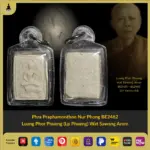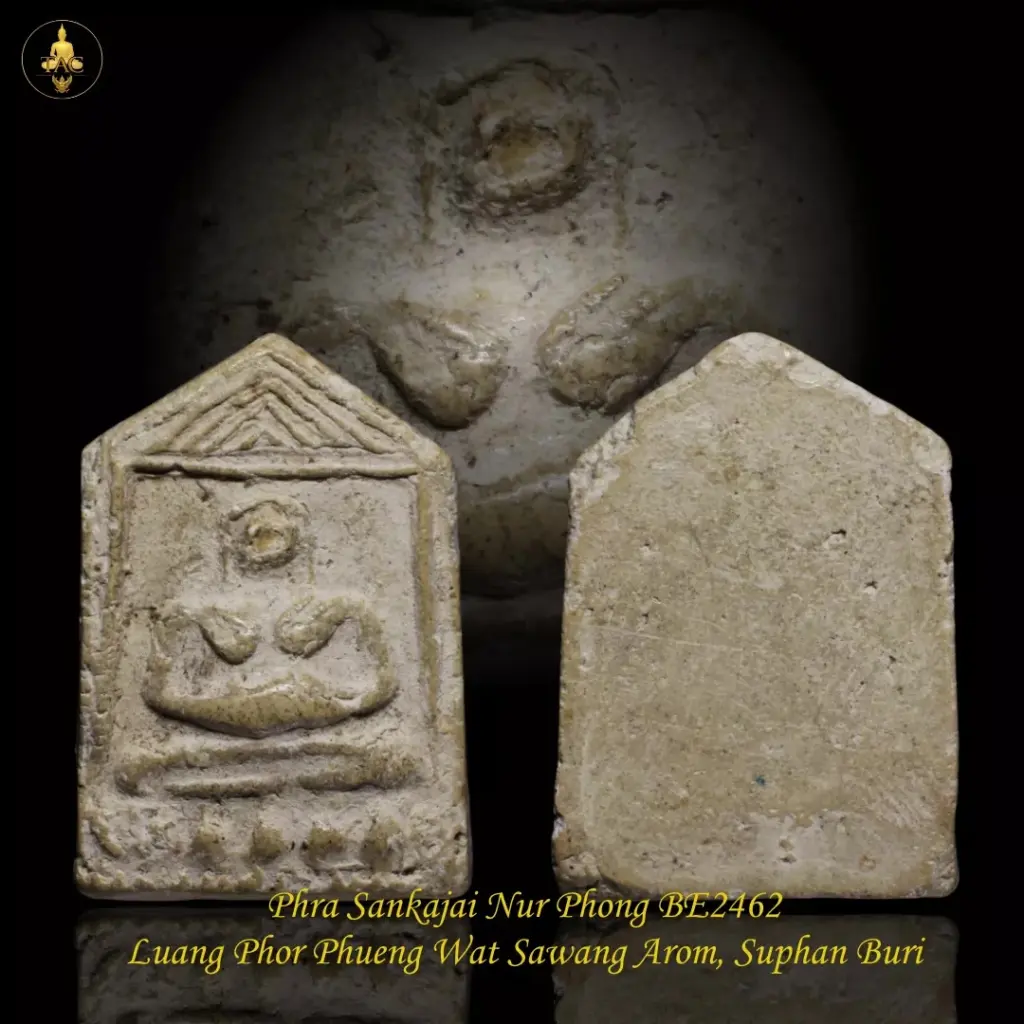
Phra Sankajai Nur Phong BE2462 Luang Phor Phueng Wat Sawang Arom, Suphan Buri
| Type | Phra Sankajai |
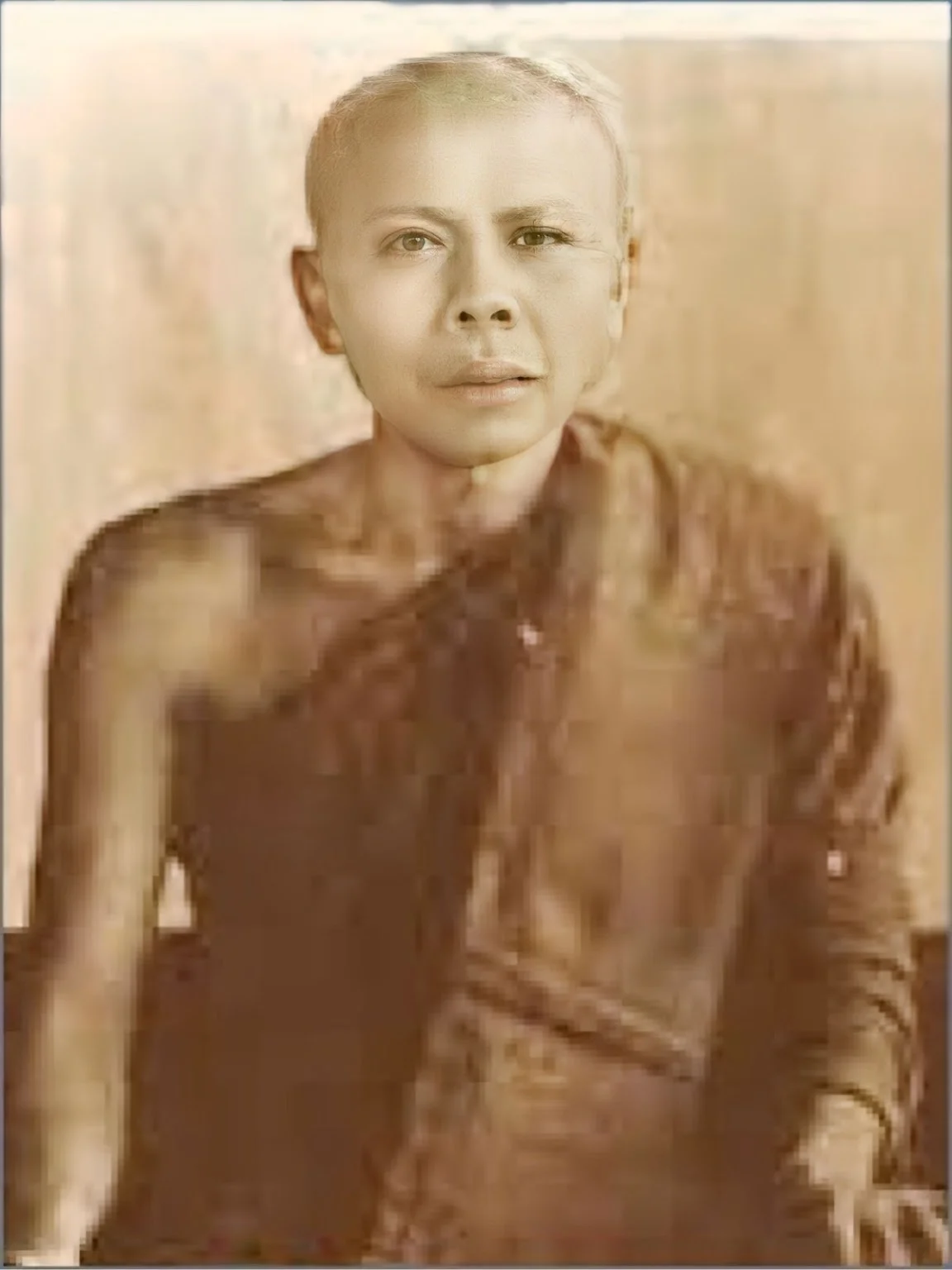
| Monk | Luang Phor Phueng (Lp Phueng) Wat Sawang Arom, Supan Buri |
| Temple | Wat Sawang Arom |
| B.E. Year | 2462 |
| Material | Phong |
| SKU | TAC-0677 |
Phra Sankajai • Nur Phong BE2462 • Wat Sawang Aromanrat, Suphan Buri • Old-era sacred powder tradition (Itthije / Piyo line) • Song Phi Nong lineage attribution to Luang Phor Phueng Phra Sankajai (พระสังกัจจายน์)
Phra Sankajai • Nur Phong
BE2462 • Wat Sawang Aromanrat, Suphan Buri • Old-era sacred powder tradition (Itthije / Piyo line) • Song Phi Nong lineage attribution to Luang Phor Phueng
Phra Sankajai (พระสังกัจจายน์) in Nur Phong (เนื้อผง) — an old-era “phra phong” style piece where collectors often discuss Itthije (อิทธิเจ) and Piyo (พิโย) powder traditions tied to เมตตา and protective mantra work.
What This Piece Represents (Collector Lens)
This is the kind of amulet seasoned collectors describe as “old-era, not easy to come by” — not because it looks flashy, but because of what it represents: early 20th-century Suphan Buri sacred powder culture, Song Phi Nong lineage talk, and the disciplined powder-making tradition often associated with Itthije-style yantra powders. When a piece is presented as close to a century old, collectors tend to value the era, the ritual background, and the way the powder surface carries age — more than any modern market hype.
Amulet Information
Name: Phra Sankajai (พระสังกัจจายน์)
Material: Nur Phong (เนื้อผง)
Year (BE): 2462
Temple: Wat Sawang Aromanrat (Wat Sawang Arom), Suphan Buri
Monk: Luang Phor Phueng (attributed in the provided listing narrative)
Lineage Note: This piece consider as Song Phi Nong heritage and early Itthije powder tradition
SKU: TAC-LPPHUENG-PHRASANKAJAI-001
Price:
SGD 188
History & Lineage Context
In Thai amulet circles, pieces attributed to Luang Phor Phueng of Suphan Buri are often discussed under “old-era phra phong” (พระผงโบราณ) — powder amulets made in a period when sacred powders were prepared through repeated yantra writing, erasing, chanting, and strict focus. Collector talk around this lineage frequently highlights the four classical powder systems: Itthije (อิทธิเจ), Pathamang (ปถมัง), Piyo (พิโย), and Maharach (มหาราช), described not as simple ingredients but as mantra frameworks turned into powder through disciplined practice.
The lineage story commonly shared is that Luang Phor Phueng was from Amphoe Song Phi Nong, Suphan Buri, and is described as closely connected in training-era practice to Luang Phor Sod (Wat Paknam) — including Vipassanā study under the same teacher, staying in the same kuti during a training period, and working with sacred powders. Collectors treat these narratives as important context because they frame Luang Phor Phueng not only as a “local Suphan Buri master,” but as part of a serious meditation-and-powder discipline tradition.
Traditional accounts of the making and distribution emphasise strict printing discipline (for example: 108 sacred threads around the printing area, purification before entry, no idle conversation, and sustained mental focus). Distribution is also described as faith-based: one person, one piece — not sold, and not handed out in bulk “for friends.” A later chapter repeated among collectors describes remaining amulets being placed beneath the principal Buddha image after the ubosot was completed (around the mid-1920s timeframe in the narrative), and later being opened decades after; this “sealed era” story is often cited as a reason such pieces are seldom seen openly today.
About the Material
“Nur Phong” (เนื้อผง) refers to powder-based sacred material. In the classical yantra-powder approach described by devotees, sacred syllables are written (often in chalk), chanted over, and erased repeatedly until the residue becomes consecrated powder. In this lineage narrative, Piyo is often associated with เมตตา (metta) and social warmth, while Itthije is commonly discussed in terms of protection themes such as kongkrapan and klaewklad — always understood as belief-based traditions rather than guaranteed outcomes.
- Classical powder talk: Itthije (อิทธิเจ), Pathamang (ปถมัง), Piyo (พิโย), Maharach (มหาราช) — four mantra frameworks described as separate “systems.”
- Process emphasis: repeated writing + erasing + mantra recitation until the chalk becomes “powder with intent” (ผงวิเศษ) in devotee language.
- Collector cue: old powder pieces are often appreciated for surface ageing, dryness, and consistent wear patterns across front/back/edge.
Design / Pim / Variant Notes
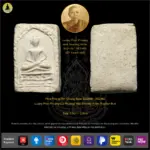
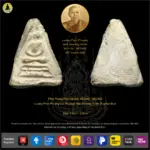
Phra Sankajai is recognised by the joyful, rounded “prosperity” form. For collector reading, the key is not only the figure, but the mould feel (พิมพ์), the depth of lines, and how the powder body sits and ages over time. This is why full-angle photos matter: they help collectors check consistency between the front imprint, the back surface, and the side profile (thickness, edge wear, and natural ageing).
Traditional Spiritual Attributes & Metaphysical Properties
In Thai amulet practice, Phra Sankajai is commonly carried with intentions linked to abundance, cheerful “open-road” energy, and easier interpersonal flow. When the piece is discussed alongside Piyo / Itthije powder traditions, devotees often describe it in simple, practical terms — smoother dealings, better metta, and stronger mental steadiness — while understanding that results are belief-based and grounded in one’s conduct, mindfulness, and merit.
- Metta mahaniyom (เมตตามหานิยม): intention for likeability, warmth, and smoother conversations (often linked in talk to Piyo powder).
- Protection themes: kongkrapan / klaewklad style intentions, warding off negativity and unseen disturbance (often linked in talk to Itthije powder).
- Chok-lap / abundance: prosperity symbolism through Sankajai’s iconography — confidence, ease, and “good flow” mindset.
Rarity Assessment & Collector Significance
The rarity claim around this piece is primarily “era + lineage narrative”: BE2462 presentation, Suphan Buri / Song Phi Nong association, and the old-style yantra powder tradition (Itthije / Piyo / Pathamang / Maharach) described in collector circles. What typically makes it “seldom seen” is not only demand, but the distribution tradition (one person, one piece; not sold) and the later “sealed storage” chapter mentioned in lineage storytelling. As with all old-era phra phong, serious collectors usually look for supporting cues: consistent surface ageing, coherent mould characteristics across angles, and reference matching; exact batch details are not always publicly documented and should be treated as an area for careful verification.
Conclusion
This Phra Sankajai Nur Phong (BE2462) is presented as an old-era Suphan Buri piece attributed to Luang Phor Phueng and the Song Phi Nong heritage narrative. For collectors in Singapore and the region, its appeal sits in the early sacred powder tradition, the disciplined ritual culture described around the lineage, and the simple-but-heavy “phra phong boran” character that’s increasingly hard to encounter in the open market.
Front view — pim lines and surface character.
Back view — powder body and wear consistency.
Side view — thickness, edge profile, and ageing cues.
Attributes reflect Thai Buddhist devotional tradition and are not measurable claims.