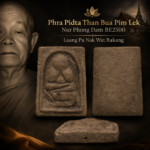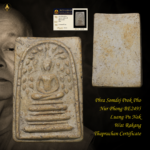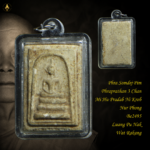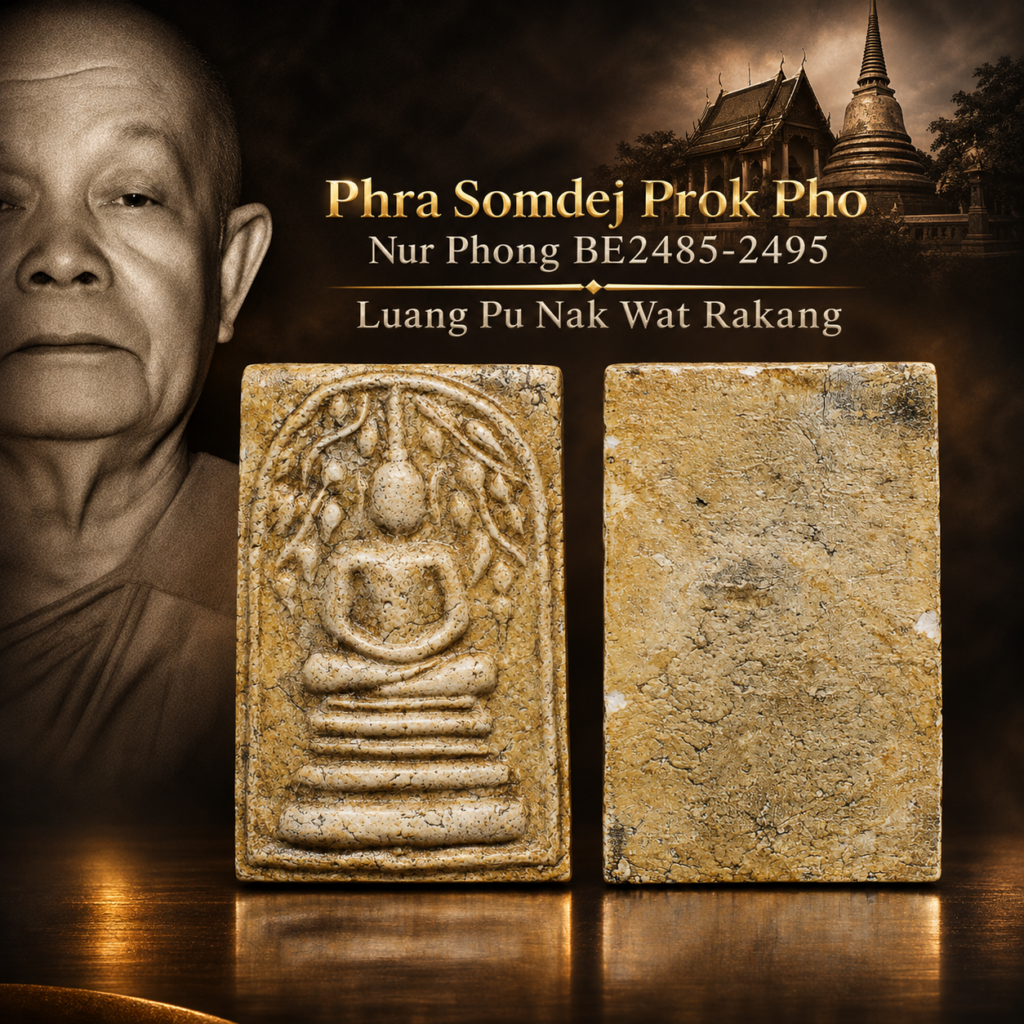
Phra Somdej Prok Pho Nur Phong BE2485-2495 Luang Pu Nak Wat Rakang
| Type | Phra Somdej Prok Pho |
| Monk | Luang Pu Nak Wat Rakang Kositaram |
| Temple | Wat Rakang |
| B.E. Year | 2485 |
| Material | Nur Phong |
| Condition | Fair |
| SKU | TAC-PhraSomdejProkPho-LpNak-004 |
Phra Somdej Prok Pho Luang Pu Nak, Wat Rakang, BE 2485–2495. Pressed from Nur Phong. A classical-era piece from one of Bangkok's most significant amulet temples. Available at TAC Singapore.
What is the Phra Somdej Prok Pho by Luang Pu Nak from Wat Rakang, and when was it made?
The Phra Somdej Prok Pho Luang Pu Nak is a classical-era amulet produced at Wat Rakang in Bangkok during BE 2485–2495. Pressed from Nur Phong — sacred powder composite — it depicts the seated Buddha sheltered beneath the Bodhi tree. This decade-long production window places it firmly in the golden era of Thai amulet making.
Luang Pu Nak and his place in the Wat Rakang lineage
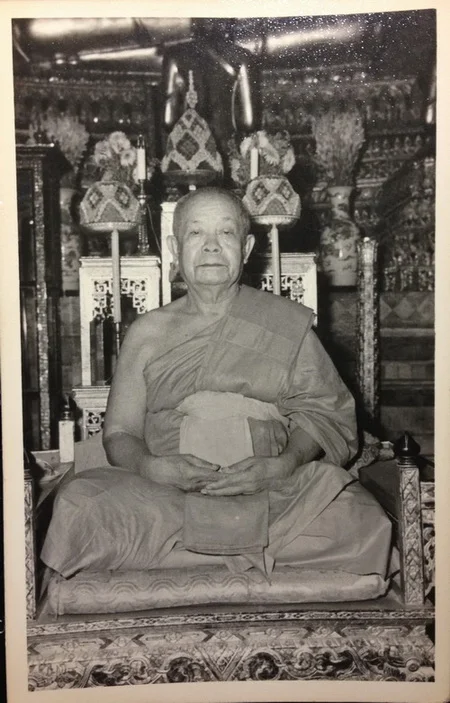
Luang Pu Nak held a significant position within Wat Rakang Kositaram, the Bangkok temple that collectors worldwide associate with the highest tier of Phra Somdej amulets. The temple’s lineage runs back to Somdej Phra Phutthachan Toh, and monks who served there in the mid-twentieth century continued that tradition of careful powder preparation and consecration.
Luang Pu Nak’s pieces from the BE 2485–2495 window are made from Nur Phong — a composition of sacred powders pressed under the authority of the temple’s resident monks. TAC has handled several examples across this period, including earlier Nur Phong Dam examples, which gives useful reference points when examining the pim (mould form) and surface texture of surviving pieces.
The nuea, the pim, and what the pressed surface tells you
Nur Phong amulets from this era were produced without the lacquer-and-gold-leaf finish (long rak pit thong) common in later runs, so the powder surface is exposed. That exposure means age registers clearly — look for an even, settled patina across the face and a Bodhi canopy with clean, unsmudged leaf detail. The muan sarn in Wat Rakang pieces from this period typically includes a blend of temple powders that has become denser and harder over decades.
The pim here is the Prok Pho form — the sheltered-under-Bodhi-tree image — which Wat Rakang produced across multiple monks and years. Because several monks at the temple used this same mould type, the collector’s work is to narrow down the specific run by surface texture, reverse detail and overall proportions. Cross-referencing against documented examples — including the Phra Somdej Prok Pho Nur Phong BE 2495–2500 by Luang Pu Hin also from Wat Rakang — helps place this piece in the broader temple lineage.
For further background on the Thai Buddhist amulet tradition and the role of temple consecration in authentication, the Thai amulets Wikipedia entry offers a solid foundation.
What collectors look for in a piece like this
With no certificate attached to this listing, the authentication case rests on the piece itself. Experienced collectors focus on a few concrete points:
- Consistency of the pim against known Luang Pu Nak reference examples — particularly the shape of the Bodhi canopy and the base platform detail
- Surface patina appropriate to a Nur Phong piece aged 70–80 years — settled, neither freshly pressed nor artificially treated
- Reverse face markings, where present, consistent with Wat Rakang production from this period
- Overall density and feel of the compressed powder — older Nur Phong pieces from this temple have a characteristic weight and hardness
Collectors who want a certified comparison point can reference the Nur Phong Dam BE 2495 Luang Pu Nak example that TAC has previously handled, now sold. The pim relationship between that piece and this one is worth studying closely.
What this amulet is traditionally carried for
Devotees and collectors across Thailand, Singapore, Malaysia and the broader Chinese-speaking world have long associated Prok Pho amulets with protective blessing and mental steadiness — the sheltering Bodhi tree image carries obvious symbolic weight in Theravada devotion. Practitioners traditionally carry or wear this form when seeking a sense of spiritual shelter in difficult periods. These associations belong to living devotional tradition, not to any claim about guaranteed outcomes.
This is a Phra Somdej Prok Pho pressed from Nur Phong at Wat Rakang during the BE 2485–2495 window — a decade that sits squarely in the most studied period of Luang Pu Nak's output at that temple. The piece carries no certificate, so the authentication case rests entirely on the pim and surface evidence — collectors interested in this one should study the powder patina and Bodhi canopy detail closely against reference examples.
Attributes reflect Thai Buddhist devotional tradition and are not measurable claims.