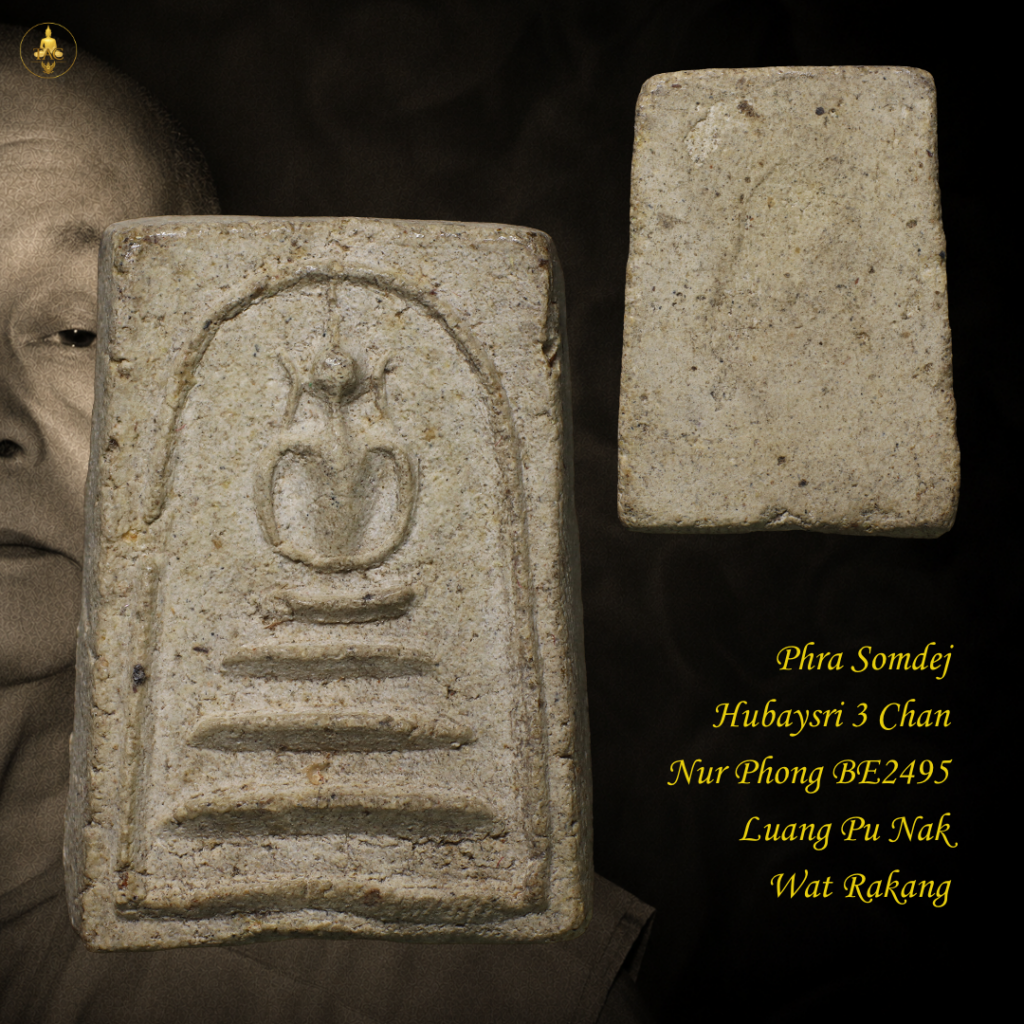
Phra Somdej Hubaysri 3 Chan Nur Phong BE2495 Luang Pu Nak Wat Rakang
| Type | Phra Somdej Hubaysri 3 Chan |
| Monk | Luang Pu Nak Wat Rakang Kositaram |
| Temple | Wat Rakang |
| B.E. Year | 2495 |
| Material | Nur Phong |
| Size | 25 x 20 mm |
| Condition | Good |
| SKU | TAC-PhraSomdejHubaysri3Chan-LpNak-001 |

Adds this amulet and the offer at the bundle price — ready at checkout. Or mention it when you enquire on WhatsApp.
Authentic Phra Somdej Hubaysri 3 Chan Luang Pu Nak, Wat Rakang BE 2495, pressed in Nur Phong. A classical-era Somdej from one of Bangkok's most important temples. Available at TAC Singapore.
What is the Phra Somdej Hubaysri 3 Chan Luang Pu Nak from Wat Rakang BE 2495?
The Phra Somdej Hubaysri 3 Chan Luang Pu Nak is a classical-era Somdej amulet produced at Wat Rakang, Bangkok, in BE 2495. It is pressed in Nur Phong — a phong-based nuea — and represents the mid-century period when Wat Rakang was still producing pieces directly in the lineage of the temple’s most established monks.
Luang Pu Nak and why his name on a Wat Rakang piece carries weight
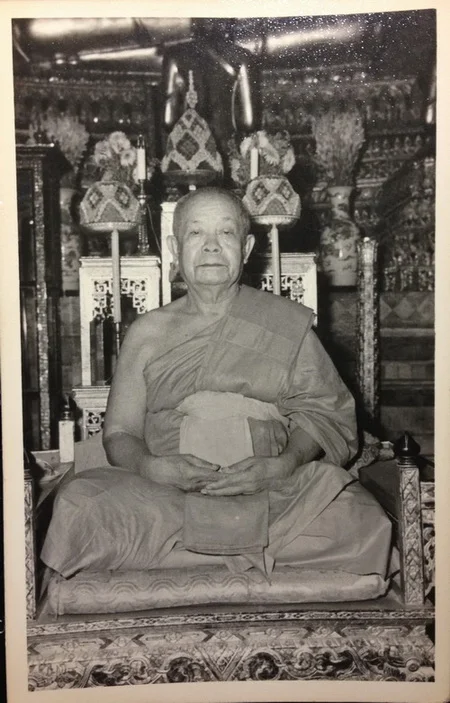
Luang Pu Nak was a senior monk at Wat Rakang during the mid-twentieth century. The temple had already built its identity around the Phra Somdej tradition — going back to its most famous abbot — and monks of Luang Pu Nak’s standing were the custodians of that lineage. His rank determined who could conduct or preside over the pluk sek (consecration ceremony). That is not a small point for collectors. The ritual weight of a piece traces directly to who stood at the altar.
BE 2495 sits in what many collectors call the golden era of Wat Rakang output. The muan sarn (the blend of sacred powders pressed into the nuea) was still being prepared according to the temple’s established method. Pieces from this period carry a character in the nuea that you do not get in later runs.
Wat Rakang — what the temple means to a Somdej collector
Wat Rakang, formally known as Wat Rakhang Khositaram, sits on the Thonburi bank of the Chao Phraya river in Bangkok. Its name in the Somdej tradition is well established — this is the temple most closely associated with the origin of the Phra Somdej form. For a collector, that provenance matters. A Somdej produced here is not simply a Bangkok amulet; it is made within the tradition’s own house.
If you want background on how the broader Thai Buddhist amulet tradition developed around temples like Wat Rakang, the Wikipedia overview is a reasonable starting point before you go deeper into the primary sources.
Reading the nuea and the pim on this piece
This piece is pressed in Nur Phong — the phong powder nuea. What you want to check first is the surface texture and colour. Genuine BE 2495 Nur Phong from Wat Rakang should show an aged, slightly dry surface with a natural patina that has developed over more than seventy years. That patina you cannot fake with any consistency.
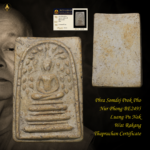
The pim (mould profile) for the Hubaysri 3 Chan — literally three tiers — is defined by the stacked throne levels beneath the seated Buddha image. Count the tiers, check the proportions of the arch above the figure, and look at how the base lines sit. A collector who handles several pieces from this temple period will read that straight away. The details of a niyom (collector-preferred reference example) for this pim are something to compare against established reference books or consult with experienced sien in the community.
- Surface texture: Nur Phong should feel slightly porous, not waxy or plastic
- Patina: even, natural ageing consistent with 70-plus years — no artificial browning
- Pim profile: three-tiered throne base, proportionate arch, clean image definition
- Rear face: check the pressed or hand-finished back for consistency with known BE 2495 examples
What is this Phra Somdej Hubaysri 3 Chan traditionally carried for?
Collectors and devotees associate this piece with four main qualities:
- Metta — loving-kindness; traditionally carried by those who need smoother dealings with people, easier rapport in daily interactions, and goodwill from those around them.
- Maha Saneh — charm and likeability; people whose work depends on being trusted or well-received — sales, service, negotiation — often carry a Somdej for this reason.
- Baramee — composure and standing; devotees regard this quality as helping a person carry responsibility with steadiness, the kind of bearing that earns trust over time.
- Protective Blessing — a Somdej from an established temple and a senior monk is traditionally regarded as a broad protective presence, particularly for those who travel or move between environments.
How collectors wear this today
This piece suits daily wear. Those in business, client-facing roles, or any work where relationships determine outcomes tend to reach for a Metta and Maha Saneh piece first. The Baramee quality makes it equally suited to those in leadership or who carry public responsibility — the composure it represents translates well to that context. For meditation practitioners, a classical Wat Rakang Somdej is a natural choice for a sitting piece, given the temple’s association with Buddhist scholarship and practice. As with any old Nur Phong piece, keep it away from prolonged moisture and do not clean aggressively — the patina is part of what you are preserving.
This is a BE 2495 Phra Somdej Hubaysri 3 Chan from Wat Rakang, pressed in Nur Phong under Luang Pu Nak — a mid-century piece from the temple most associated with the Somdej tradition. What collectors want here is a clean pim with the three-tier throne well defined and a Nur Phong surface that shows honest age, not restoration.
Attributes reflect Thai Buddhist devotional tradition and are not measurable claims.