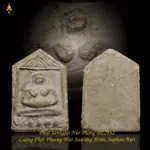
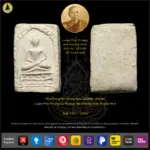
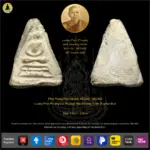
Phra Praphamonthon Nur Phong BE2462 Luang Phor Phueng (Lp Phueng) Wat Sawang Arom
| Type | Phra Somdej |
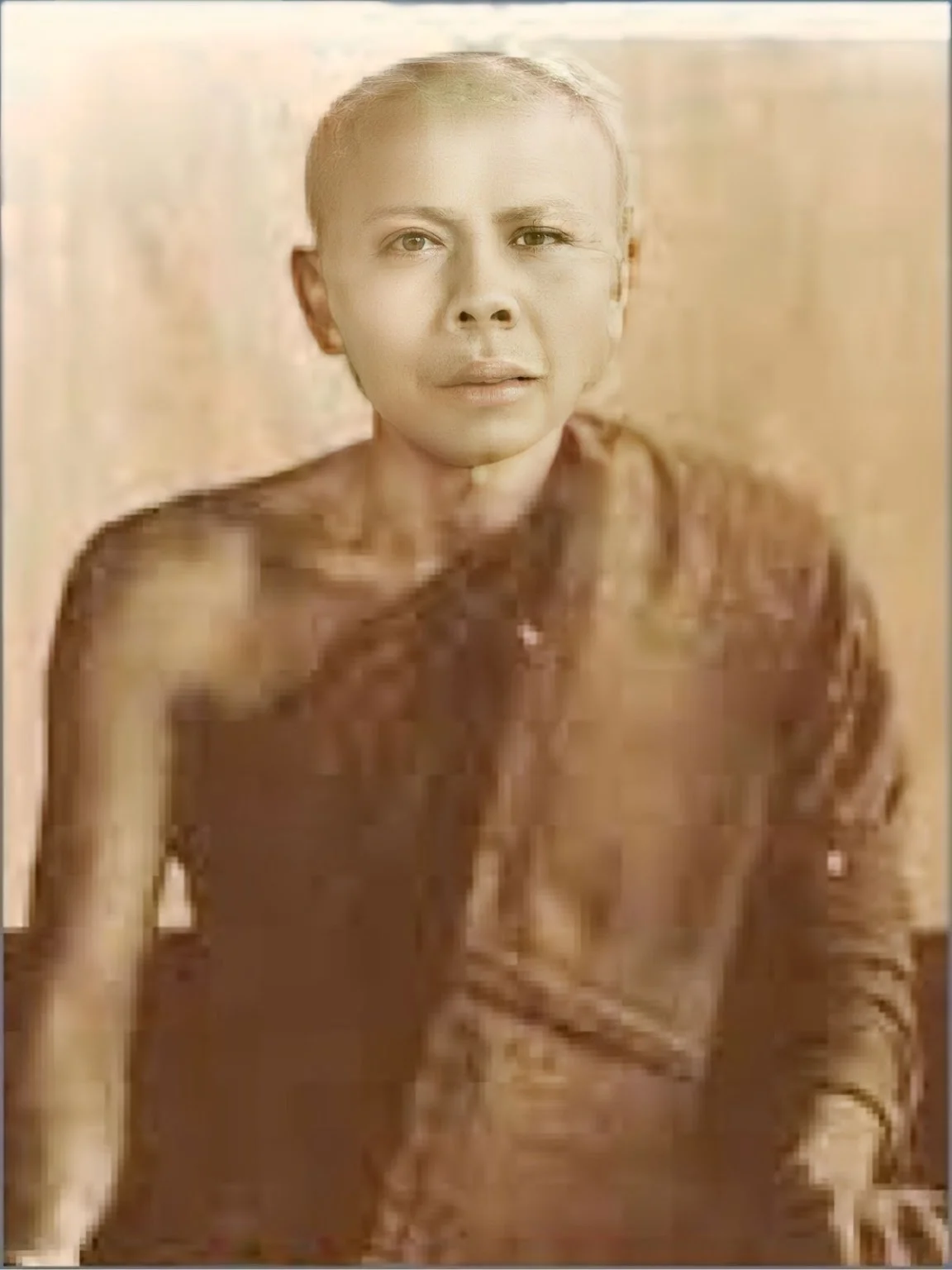
| Monk | Luang Phor Phueng (Lp Phueng) Wat Sawang Arom, Supan Buri |
| Temple | Wat Sawang Arom |
| B.E. Year | 2462 |
| Material | Phong |
| SKU | TAC-0790 |
Authentic Phra Somdej by Luang Phor Phueng (Lp Phueng) Wat Sawang Arom, Supan Buri. BE 2462 phong tablet. Over a century old. Available from TAC Singapore.
What is the Phra Somdej by Luang Phor Phueng (Lp Phueng) Wat Sawang Arom, Supan Buri from BE 2462?
The Phra Somdej Luang Phor Phueng (Lp Phueng) Wat Sawang Arom, Supan Buri is a sacred phong (powder tablet) amulet created in BE 2462 (CE 1919) by Luang Phor Phueng of Wat Sawang Arom. Pressed in the Maravijaya posture — the Buddha subduing Mara — it is one of the earliest surviving phong tablets from this temple and remains a serious collector piece over a century later.
Who was Luang Phor Phueng and why does BE 2462 matter for this piece?
Luang Phor Phueng (Lp Phueng) Wat Sawang Arom, Supan Buri was a meditation master active in the late 19th and early 20th centuries. He was known across the central provinces for his pattana wicha — his personal blessing methods — and for an unusually deep grounding in sacred herbal lore. He was reclusive by nature, which meant his output was limited and deliberate.
BE 2462 places this piece at a precise moment: post-WWI Thailand, a period of widespread social uncertainty when followers looked to temple amulets for both spiritual grounding and practical protection. Luang Phor Phueng created this batch partly to raise funds for building works at Wat Sawang Arom and partly to give devotees something tangible to anchor their practice. That dual purpose — merit-making and wearable protection — was common to serious monastic editions of the era.
Pieces from this period that can be traced back to a named monk and a single temple are increasingly difficult to find intact. That alone gives BE 2462 tablets from Luang Phor Phueng a standing that later, more abundant editions simply cannot match.
What went into the muan sarn and how was it consecrated?
The nuea (material substance) here is phong — a muan sarn (sacred powder blend) built from multiple ingredients accumulated and blessed over time. The original sources include Phong Itijay and Phong Pattamang, both scripture powders produced through repeated inscription and ritual erasure of sacred texts. Added to the base were remnants of old votive tablets from early-Rattanakosin temples, powdered herbs, temple lime, rice husk ash, incense residue, soil from pilgrimage sites, and cremation ash from revered masters. Some batches are understood to contain fragments of Bai Lan — retired palm-leaf scripture — pressed directly into the powder.
The pim (mould) renders the Buddha in the Maravijaya seated posture on a tiered base. The reverse carries yant (sacred inscription) impressed into the powder surface. Tablet colour ranges from light beige to dark brown depending on the batch and curing conditions. The surface texture is fine-grain with visible flecks of herb and lime ash — details that experienced collectors use as one reference point during authentication.
The phutthaphisek (consecration ceremony) ran across multiple phases. Luang Phor Phueng is said to have chanted daily during moulding and curing, with additional full-moon ceremonies drawing in local monks — possibly including elders from neighbouring temples. The tradition holds that he maintained katha recitation across seven full lunar cycles. Within the broader Thai Buddhist amulet tradition, that length of sustained consecration is taken as a mark of genuine care rather than production-line output.
What should a collector look for when examining one of these tablets?
Age-consistent surface ageing in the phong is the first thing to check. After more than a century, the powder should show natural shrinkage, micro-cracking at the edges, and a settled patina that cannot be replicated by artificial weathering. The yant on the reverse should be crisp where the mould pressed deepest and naturally softened at raised edges — not uniformly sharp, which would suggest a later pressing.
- Phong surface: fine-grain with visible herb and lime flecks, consistent with the recorded muan sarn
- Posture and pim: Maravijaya seated on tiered base — compare against known reference pieces from this temple and period
- Reverse yant: pressed impression, not applied or painted on
- Colour range: light beige to dark brown — variation between pieces is normal given batch and curing differences
- Edge condition: natural wear and micro-cracking consistent with century-plus age
No certificate details are listed for this piece. Buyers should factor that into their assessment and, where possible, seek a second opinion from a collector or dealer with direct experience of Wat Sawang Arom material from this era.
This Phra Somdej Luang Phor Phueng (Lp Phueng) Wat Sawang Arom, Supan Buri dates to BE 2462 — making it over a hundred years old and one of the earlier surviving phong tablets we carry from this temple. The muan sarn composition as documented — drawing on Phong Itijay, Phong Pattamang, early-Rattanakosin votive remnants, and accumulated sacred materials — places this piece within a tradition of serious monastic production rather than commercial output.
Attributes reflect Thai Buddhist devotional tradition and are not measurable claims.