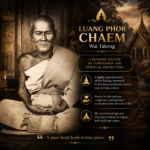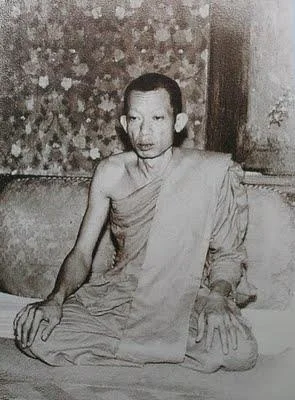
Phra Khru Samuha Amphon Phonwattano (Abbot) Wat Prasat Boonyawat
Phra Khru Samuha Amphon Phonwattano — Wat Prasat Boonyawat Abbot (B.E. 2493–2512 / 1950–1969) • Bangkok Born on 13 February B.E. 2465 (1922) in Bangkok, the monk later known as Phra Khru Samuha Amphon Phonwattano grew into leadership without theatrics — steady voice, measured steps, the kind of presence that gathers people before a word ... Read more ↓
Biography
Phra Khru Samuha Amphon Phonwattano — Wat Prasat Boonyawat
Abbot (B.E. 2493–2512 / 1950–1969) • Bangkok
Born on 13 February B.E. 2465 (1922) in Bangkok, the monk later known as Phra Khru Samuha Amphon Phonwattano grew into leadership without theatrics — steady voice, measured steps, the kind of presence that gathers people before a word is spoken. He entered the robe young and remained close to the city’s monastic heart, learning to balance pariyatti (study) and patipatti (practice) as two halves of one path.
In B.E. 2493 (1950) he became Abbot of Wat Prasat Boonyawat. Five years later, a fire tore through the temple (B.E. 2498 / 1955). It blackened beams and stung the memory of a community that had gathered at those halls for generations. In the ash and quiet, the abbot moved among devotees, listening first. According to temple tradition, hope took shape through a revered lineage: a vision of Somdej Phra Buddhacarya (To) relayed in the meditation of Ajahn Thim of Wat Chang Hai. Faith and labor braided together — barami (spiritual merit) guiding hands back to work.
Reconstruction was patient, almost liturgical. Halls were replanned, the ubosot re-envisioned, and ceremonies returned to their cadence. The abbot reminded people that structures stand longest when hearts stand together. In B.E. 2506 (1963), he oversaw the creation of the Phra Leela Khu (Nur Phong) amulet, a sacred composition blended from temple earth and old powders. Each piece bore Wat Prasat’s original rubber seal — an understated pledge of provenance. The consecration was among the era’s largest: 234 senior monks gathered to chant and transfer blessings. Collectors remember the scale; locals recall how the chanting felt like a tide returning.
Those who studied under him describe a teacher who made difficult things simple without making them small. He held fast to authenticity — in ritual, in record-keeping, in the quiet agreements that bind a monastery to its people. In B.E. 2512 (1969), he stepped down as abbot. Public sources do not record the year of his passing, but his work remains legible: in the walls that were raised again, in the evening chants that found their rhythm, and in the faithful who still speak his name with a kind of relieved gratitude.
Explore more from Thai Amulets Collection: browse all amulets, monk biographies, or discover katha sacred chants.
For broader context on Thai Buddhist traditions, see Thai amulets on Wikipedia.