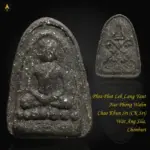
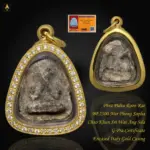
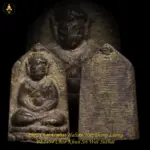
Phra Pidta Lang Beab Run Rae (1st Batch) Nur Phong BE2500 Chao Khun Sri (CK Sri) Wat Ang Sila, Chonburi with G-Pra Certificate
| Type | Phra Pidta |
| Monk | Chao Khun Sri Wat Suthat |
| Temple | Wat Ang Sila |
| B.E. Year | 2500 |
| Material | Phong |
| SKU | TAC-0096 |
Authentic Phra Pidta Chao Khun Sri Wat Suthat, Wat Ang Sila BE 2500. Run raek phong edition with G-Pra Certificate.
What is the Phra Pidta by Chao Khun Sri Wat Suthat from Wat Ang Sila, BE 2500?
The Phra Pidta Chao Khun Sri Wat Suthat is the first batch (run raek) amulet created by Chao Khun Sri, also known as Phra Wisut Samajarn, of Wat Ang Sila in Chonburi. Pressed from nuea phong — sacred powder blended with ancient amulet dust, incense ash, and Ubosot soil — and consecrated in BE 2500, this piece is among the rarest Phra Pidta from that era.
BE 2500 — Why this run matters at Wat Ang Sila
In BE 2500 (1957), Chao Khun Sri was mid-way through restoring Wat Ang Sila. Amulet production at that point was tied directly to temple fundraising, and this first batch was created to support that effort. That context matters to collectors: the run raek pieces were not a commercial exercise — they were merit-making objects tied to a specific, documented moment in the temple’s history.
The pim (mould) used for this batch is recorded as Lang Beab Run Rae, specific to the run raek edition. The back carries a yant (sacred inscription) and the distinctive Run Rae design that authenticators use to distinguish genuine pieces from later batches. Understanding the Thai Buddhist amulet tradition helps place this piece: amulets tied to active temple restorations carry a layered significance that single-run commercial editions do not.
The monk behind the piece
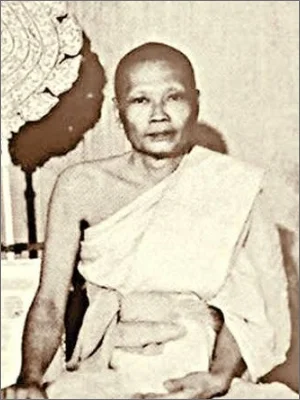
Chao Khun Sri — formally Phra Wisut Samajarn — held the Chao Khun ecclesiastical rank, a senior standing in the Thai Sangha that brought considerable weight to any consecration he led. The phutthaphisek (consecration ceremony) for this batch included Buddha Abhiseka chanting, yant empowerment, and extended group meditation, with respected monks from the wider Chonburi area present. That collective sak (empowerment) is what collectors in this category track — not just the name of one monk, but the documented composition of the ceremony.
Nuea, pim, and what to check on an authentic piece
The nuea (material/substance) here is phong — a muan sarn blend incorporating ancient amulet dust, incense ash, and soil from the Ubosot (ordination hall) of Wat Ang Sila. Phong pieces from this era were hand-pressed, so minor surface variation between examples is normal and expected. Uniformity across a batch is actually a flag for reproductions.
For authentication, this piece carries a G-Pra Certificate. When assessing condition and provenance, collectors typically cross-reference the certificate against the following physical markers:
- Front: classic Pidta figure with both hands covering the face, pressed detail consistent with the Lang Beab Run Rae pim
- Back: legible yant inscription and Run Rae design — check relief depth and symmetry against known reference pieces
- Surface: aged phong texture consistent with six-plus decades; look for natural crazing rather than artificial patina
- Certificate: G-Pra documentation should accompany the piece and match the stated batch details
Run raek pieces in wearable condition with their certificate intact are uncommon. Most that appear on the market have either lost their paperwork or show significant surface wear from decades of wear.
We at TAC are offering this run raek Phra Pidta Chao Khun Sri Wat Suthat from BE 2500 — a first batch phong piece tied to the Wat Ang Sila restoration period, accompanied by its G-Pra Certificate. For collectors focused on certified mid-20th century Phra Pidta, the combination of run raek status, documented consecration, and extant certification makes this a piece worth serious consideration.
Attributes reflect Thai Buddhist devotional tradition and are not measurable claims.