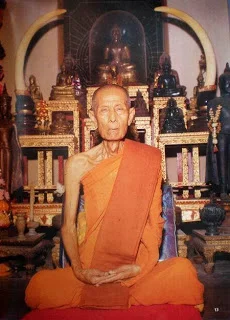
Phra Phong Bodh Gaya BE2519 Wat Thung Seri Consecrated by Luang Pu Toh (Lp Toh) Wat Pradoochimplee (India)
| Monk | Luang Pu Toh (Lp Toh) Wat Pradoochimplee |
| Temple | Wat Pradoochimplee |
| B.E. Year | 2519 |
| SKU | TAC-0045 |
Authentic Phra Phong Bodh Gaya BE2519 Wat Thung Seri Consecrated by Luang Pu Toh (Lp Toh) Wat Pradoochimplee (India) by Luang Pu Toh Wat Pradoochimplee.
What is the Phra Phong Bodh Gaya BE2519 Wat Thung Seri Consecrated by Luang Pu Toh (Lp Toh) Wat Pradoochimplee (India) by Luang Pu Toh (Lp Toh) Wat Pradoochimplee?
The Phra Phong Bodh Gaya BE2519 Wat Thung Seri Consecrated by Luang Pu Toh (Lp Toh) Wat Pradoochimplee (India) is a sacred powder amulet pressed at Wat Thung Seri near the Bodh Gaya pilgrimage site in India in BE 2519 (1976). Luang Pu Toh (Lp Toh) Wat Pradoochimplee traveled to India to personally preside over the phutthaphisek (consecration ceremony), making this one of the very few Thai-led amulet consecrations performed directly on Indian soil.
A Bodh Gaya consecration — why this edition stands apart
In BE 2519, Thai and Indian Buddhist communities joined to produce a batch of phong (sacred powder) amulets at Wat Pradoochimplee‘s associated site, Wat Thung Seri, positioned near the spot where the historical Buddha attained Enlightenment. That geographic detail matters to collectors. The ground itself is considered among the most spiritually charged in the entire Thai Buddhist amulet tradition, and consecrations conducted there are genuinely rare.
The phutthaphisek ran across several days, concluding on a full moon night — a timing that carries specific ritual significance in Thai Theravada practice. Monks from other Thai temples serving at Indian Buddhist sites participated alongside the presiding master. This cross-border collaboration was not ceremonial window-dressing; it reflected a deliberate effort to anchor these amulets to the most historically significant Buddhist site on earth.
The muan sarn: what went into the phong blend
The nuea (material/substance) here is a multi-component muan sarn (sacred powder blend) pressed into various pim (mould forms). The documented components include Phong Ittijay and Phong Patamang — both chanting powders — alongside Phong Wahn Maha Mongkol, an auspicious herbal powder, and Phong Din Phra That, which is sacred earth collected from important Buddhist sites.
Two ingredients set this blend apart from a typical Thai powder edition. First, Bodhi leaf ashes sourced directly from Bodhgaya were incorporated — a material connection to the Enlightenment tree itself. Second, Phong Puttakun gathered from senior monks’ temples across Thailand was mixed in, linking the piece back to the broader Thai monastic lineage. The mixture was pressed by both hand and machine into small batches across three primary pim styles: Phra Somdej-style, Phra Phong Suphan-style, and Phra Nang Phaya-style.
Luang Pu Toh and what a collector looks for
Luang Pu Toh (Lp Toh) Wat Pradoochimplee, formally Phra Rajsangwaraphorn, is considered one of the most significant monks of the Rattanakosin era — known for his depth in meditation practice and the precision of his sacred incantations. His amulets from any edition attract serious collector attention. The fact that he traveled specifically to India for this consecration, rather than conducting it remotely or by proxy, is the central argument for this piece’s standing.
When authenticating pieces from this batch, collectors focus on a few concrete points:
- Red temple stamp on the reverse — present on a portion of pieces from this batch and considered a strong provenance indicator
- Yant (sacred inscription) markings on the back surface
- Powder texture and compression consistent with hand-and-machine pressing typical of BE 2519 production
- Pim profile matching one of the three documented styles: Somdej, Phong Suphan, or Nang Phaya
No certificate is listed for this edition. Collectors rely on physical authentication against documented reference pieces and, where available, specialist grading from recognised Thai amulet evaluation houses. The limited run size and the unusual India consecration context mean that authenticated examples change hands infrequently.
This piece is one I find genuinely interesting to handle — a phong amulet consecrated by Luang Pu Toh not in Thailand but at Wat Thung Seri near Bodh Gaya itself in BE 2519, which puts it in a very short list of Thai-led consecrations conducted on Indian soil. The Bodhi leaf ash in the muan sarn is the ingredient that tends to catch collectors' attention first, and Luang Pu Toh's personal travel to India for this phutthaphisek is the provenance detail worth leading with.
Attributes reflect Thai Buddhist devotional tradition and are not measurable claims.