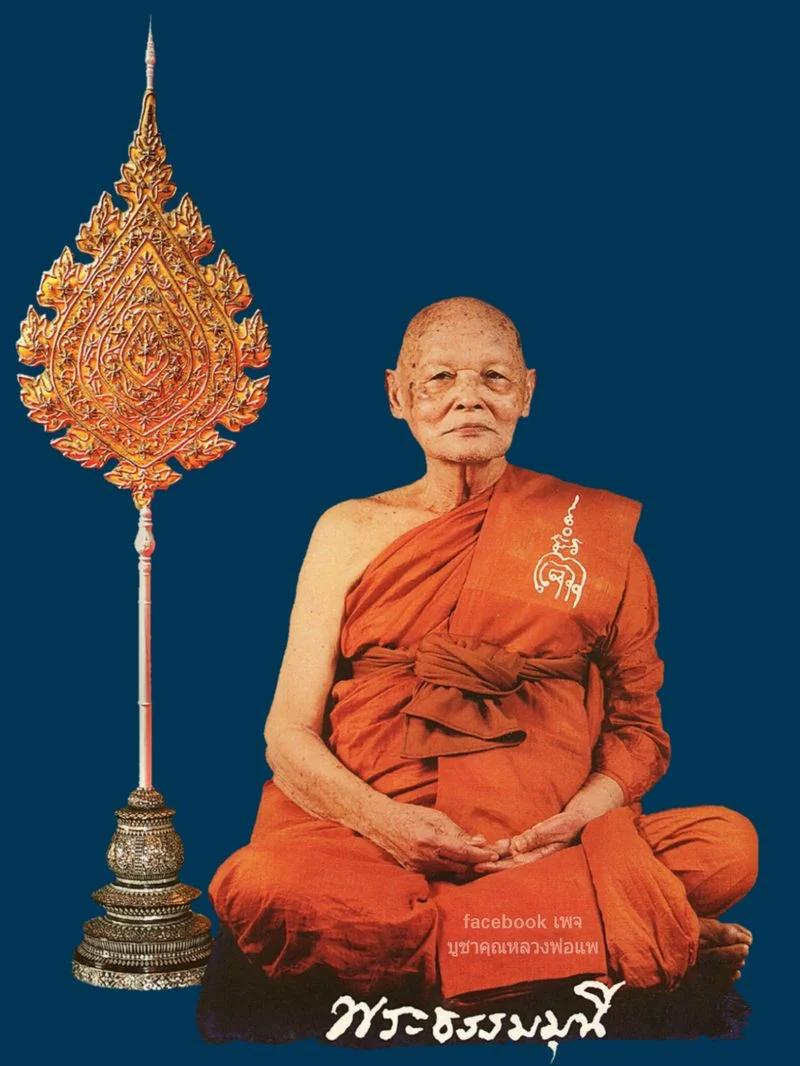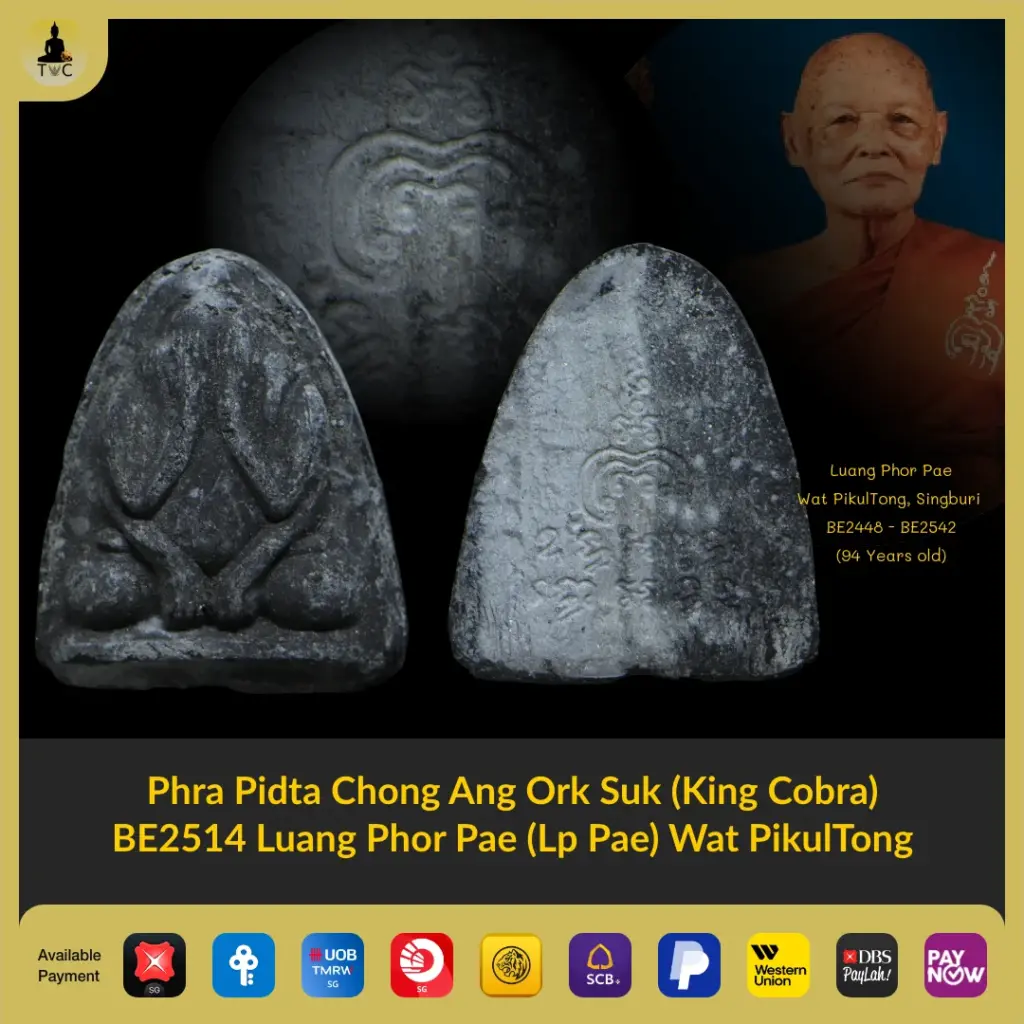
Phra Pidta Chong Ang Ork Suk (King Cobra) BE2514 Luang Phor Pae Wat PikulTong
| Type | Phra Pidta |
| Monk | Luang Phor Pae (Lp Pae) Wat Pikulthong, Singburi |
| Temple | Wat Pikultong |
| B.E. Year | 2514 |
| Condition | Fair |
| SKU | TAC-0502 |
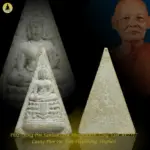
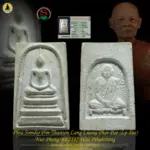
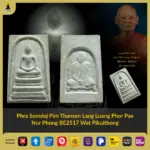
Phra Pidta Chong Ang Ork Suk (King Cobra) • BE2514 Wat Pikulthong, Singburi • Sacred Powder (Nur Phong) • Luang Phor Pae (LP Pae) Main obverse — Pidta sheltered by the coiled “King Cobr
The Phra Pidta Luang Phor Pae (Lp Pae) Wat Pikulthong, Singburi — specifically the Chong Ang Ork Suk (King Cobra) edition issued in BE 2514 — is among the most studied Pidta lineages from this master, sought by collectors in Singapore and across Southeast Asia for its layered symbolism of inward protection and heightened awareness. The pairing of the closed-eyes Pidta form with the coiled cobra guardian conveys a dual teaching: restrain the mind, remain alert to the world beyond.
Issued in BE 2514 (1971 CE), this edition belongs to a well-documented period of output from Luang Phor Pae (Lp Pae) Wat Pikulthong, Singburi. Collectors regard BE 2514 as a particularly coherent production year — iconography is crisp, press lines are well-defined, and the sacred powder tradition at the temple had reached a mature and disciplined form.
The Chong Ang Ork Suk designation — loosely rendered as “the serpent emerging from its burrow” — identifies the triangular Pim (mould type) in which the cobra coils encircle the central Pidta figure. This specific framing makes the edition immediately recognisable among Luang Phor Pae’s broader Pidta output and contributes to its standing as a reference piece in serious collections.
Luang Phor Pae’s amulet-making culture at Wat Pikulthong was consistently characterised by disciplined consecration practice — chanting-led, merit-oriented, and produced in direct service of temple welfare rather than as a commercial exercise. That intention is widely cited by long-term collectors as a defining quality of pieces from this era.
Phra Pidta and Wat Pikultong Heritage
Wat Pikultong, located in Singburi province in central Thailand, is a temple whose reputation rests substantially on Luang Phor Pae’s decades of disciplined monastic and community work. The temple is respected not for scale or ornamentation, but for the consistency of its consecration culture and the integrity of its master’s practice.
Within the broader Thai Buddhist amulet tradition, temples associated with a single revered master often carry a concentrated authority that larger institutions cannot replicate. Wat Pikultong holds this position for collectors who specialise in Luang Phor Pae’s work — the temple’s identity and the master’s identity are largely inseparable in collector discourse.
The cobra motif employed in the Chong Ang Ork Suk edition draws on a long-standing Thai symbolic vocabulary in which the serpent guards thresholds and sacred spaces. At Wat Pikultong, this iconographic choice was not decorative — it was doctrinal, reinforcing the protective and awareness-centred teachings embedded in the Pidta form itself.
Nur Phong Phra Pidta — Composition and Craftsmanship
The material base of this edition is Nur Phong Phuttakhun — a sacred powder matrix pressed to a firm, dense body. Nur Phong amulets in the Luang Phor Pae tradition draw on powder families associated with protective authority, metta (loving-kindness), and blessing properties, blended and prepared under concentrated ceremonial conditions.
The triangular Pim structure is a defining craft feature of the Chong Ang Ork Suk edition. The cobra coils are rendered with clear definition around the central Pidta figure, and the press boundaries remain sufficiently sharp to support authentication study. Collectors specifically note the coil clarity, the facial and hand silhouette of the Pidta within the triangle, and the stability of the surface as primary physical reference points.
Authentic examples display natural edge maturity consistent with over fifty years of age — not aggressive surface cleaning. Pieces that remain in a study-clean condition, showing unforced wear and original powder compression, are consistently preferred by long-term collectors over examples that have been over-handled or restored.
Spiritual Benefits of Phra Pidta by Luang Phor Pae (Lp Pae) Wat Pikulthong, Singburi
In Thai Buddhist belief, the Phra Pidta Luang Phor Pae (Lp Pae) Wat Pikulthong, Singburi Chong Ang Ork Suk edition is traditionally associated with four interlocking spiritual functions. The deeper teaching holds that guarding the mind is the primary act — and that external protection follows naturally from that inward discipline.
- Klaew Klaad — evasion of danger and harm; protection from adversarial circumstances encountered in daily life.
- Maha Ud — shielding and invulnerability; traditionally understood as a barrier against physical and psychic threats.
- Metta Mahaniyom — cultivation of goodwill and smooth relationships; the generation of genuine warmth between the wearer and those around them.
- Maha Lap — fortunate outcomes and auspicious livelihood; the attraction of beneficial circumstances in work and daily affairs.
Phra Pidta BE 2514 — Authentication and Collector Value
This edition carries no independent certification from a third-party grading body. Authentication therefore rests on direct physical study: the characteristic triangular Pim structure, the cobra coil definition, the density and surface characteristics of the Nur Phong matrix, and the natural age patina consistent with a BE 2514 pressing. Collector communities in Thailand, Singapore, and Malaysia have developed well-documented reference standards for this specific edition.
The absence of a certificate does not diminish collector standing for well-studied editions such as this one. Among experienced collectors, provenance transparency, physical consistency with documented reference pieces, and acquisition through established dealers carry significant weight. Thai Amulets Collection (TAC), operating since 2015, sources pieces with documented provenance and presents them with full contextual disclosure.
BE 2514 is regarded within the collector community as a reference year for Luang Phor Pae’s Pidta output — strong iconography, a mature sacred powder tradition, and clear press lines combine to make authenticated examples from this year consistently sought after in the Singapore, Malaysia, and broader regional market.
Attributes reflect Thai Buddhist devotional tradition and are not measurable claims.