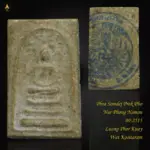
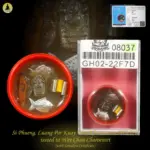
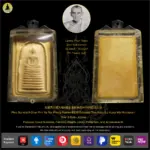
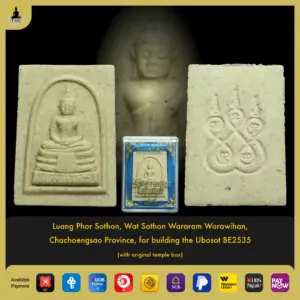
 Luang Phor Sothon, Wat Sothon Wararam Worawihan, Chachoengsao Province, for building the Ubosot BE2535 (with original temple box)
S$10
S$18save S$8 (44%)
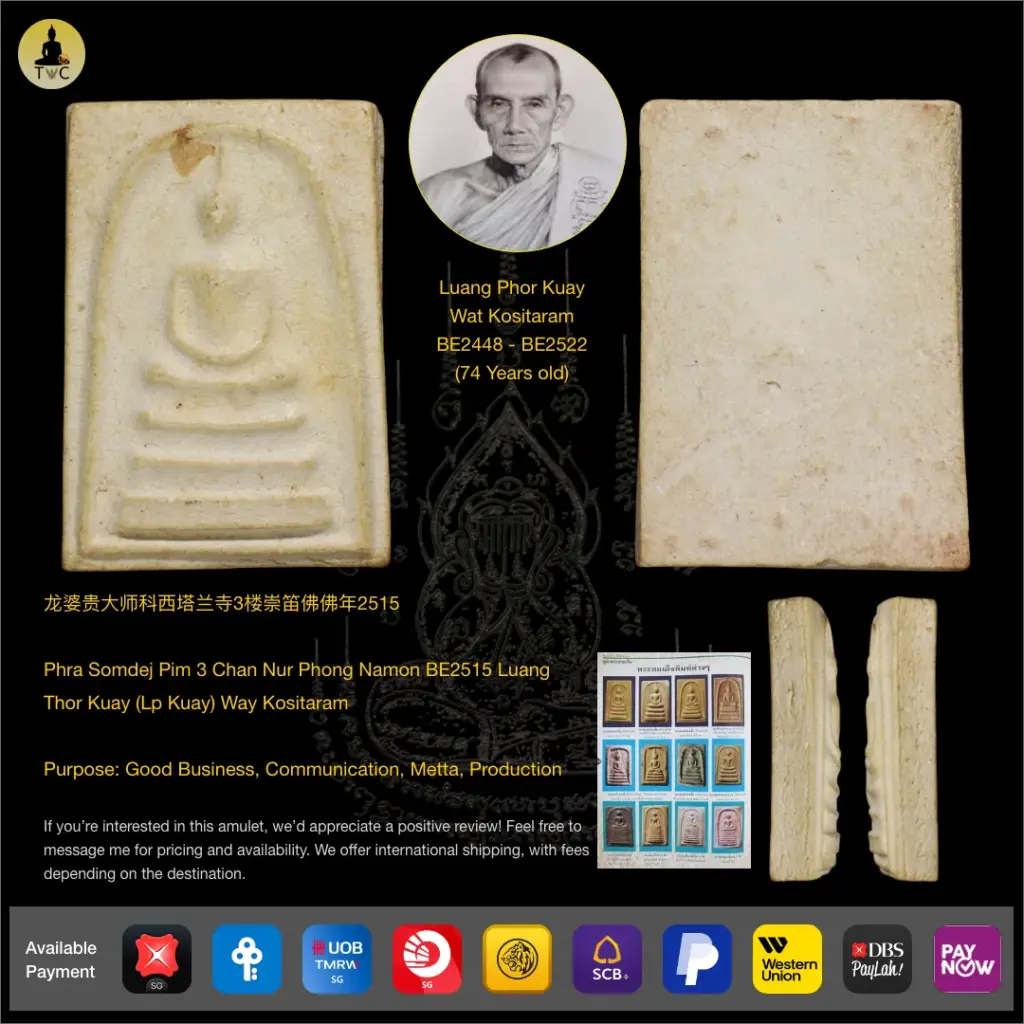
| Type | Phra Somdej |
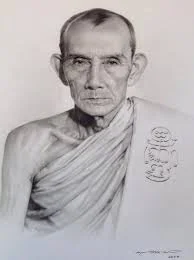
| Monk | Luang Phor Kuay Wat Kositaram |
| Temple | Wat Kositaram |
| B.E. Year | 2515 |
| Material | Phong Namon |
| SKU | TAC-0125 |
Luang Phor Sothon, Wat Sothon Wararam Worawihan, Chachoengsao Province, for building the Ubosot BE2535 (with original temple box)
 Phra Luang Pu Thuad (Lp Thuad) Nur Wahn BE2550 Wat Kongkha Liap (Tha Sak), Nakhon Si Thammarat (425 Years Anniversary, 9 Days & 9 Grand Ceremonies)
 Phra Pang Umbat (Wednesday Buddha) BE2512 Luang Phor Tae (Lp Tae) Khongthong Wat Sam Ngam
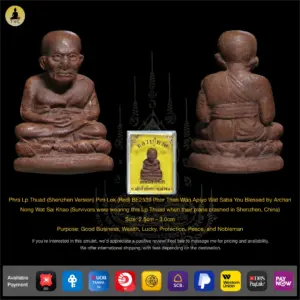 Phra Lp Thuad 龙婆托 (Shenzhen Version) Pim Lek (RED) BE2539 Phor Than Wan Apiyo Wat Saba You Blessed by Archan Nong Wat Sai Khao
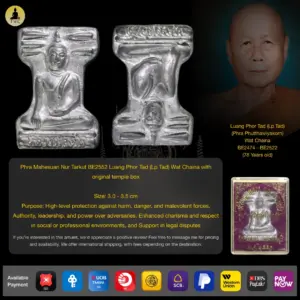 Phra Mahesuan Nur Tarkut BE2552 Luang Phor Tad (Lp Tad) Wat Chaina with original temple box
Each adds this amulet plus the offer at the bundle price — ready at checkout, or mention it when you enquire on WhatsApp.
Authentic Phra Somdej Luang Phor Kuay Wat Kositaram BE2515, pressed from phong namon. Over 50 years old. Singapore dealer TAC. No certificate recorded.
The Phra Somdej Luang Phor Kuay Wat Kositaram BE 2515 is a sacred pressed-powder amulet produced at Wat Kositaram in the Thai Buddhist year 2515. Made from phong namon (consecrated sacred powder), it represents one of the more historically grounded editions from Luang Phor Kuay’s documented output and remains a consistent reference point for collectors across Southeast Asia.
Luang Phor Kuay Wat Kositaram was one of the more widely respected monks in mid-twentieth-century Thai Buddhism. His standing came not from commercial promotion but from decades of disciplined practice and mastery of sacred arts. Collectors recognise that his consecrated output was produced with consistent ritual intent, which is why pieces attributed to him hold their ground in the secondary market.
BE 2515 falls at a point when Luang Phor Kuay’s reputation had reached its broadest recognition within the Thai Buddhist community. Editions from this period are studied closely for material consistency and the depth of the pluk sek (consecration ceremony) invested in each piece. That combination — established monk, documented period, specific nuea (material/substance) — is what gives this edition its collector standing.
The nuea here is phong namon, a category of muan sarn (sacred powder blend) traditionally composed of consecrated chalk, dried floral offerings, fragrant resins, and other ritually prepared substances. Preparation follows strict ceremonial conditions. The resulting powder is not simply a binding material — it is considered an active component of the amulet’s sacred character within the Thai Buddhist amulet tradition.
Pressing a phong namon Phra Somdej requires the presiding monk’s meditative concentration to be part of the process, not incidental to it. Each tablet is formed under blessing. For the BE 2515 edition, the integrity of the phong namon composition is one of the first things an experienced collector checks — surface texture, density, and how the powder has aged over five-plus decades all factor into the assessment.
The pim (mould collectors authenticate against) for this edition follows the classical trapezoidal Phra Somdej form with a tiered arch. That form is immediately recognisable and carries specific proportions that experienced eyes measure against documented reference specimens from Wat Kositaram’s recorded output.
No certification is recorded for this listing. That means authentication responsibility sits with the collector, and the process is straightforward if you know what to check. Surface ageing consistent with more than fifty years of natural oxidation should be visible across the phong namon body. The mould impression should be sharp and correspond to catalogued reference pieces from this edition.
Rarity is real with this edition. Pieces in well-preserved condition are increasingly difficult to source through legitimate channels. Within collector communities in Singapore, Malaysia, Taiwan, and Hong Kong, amulets from Luang Phor Kuay’s documented runs hold consistent regard. Condition, material integrity, and confirmed temple provenance are what separate one specimen’s valuation from the next.
We at TAC are offering this Phra Somdej Luang Phor Kuay Wat Kositaram from BE 2515, pressed in phong namon — a period piece now more than five decades old from one of Thailand's consistently respected mid-century monks. No certificate is recorded for this example, which collectors should factor into their due diligence. For a collector focused on documented Luang Phor Kuay editions, BE 2515 is a historically grounded entry point worth serious consideration.
Attributes reflect Thai Buddhist devotional tradition and are not measurable claims.